This article is sponsored by Pfizer
It wasn’t the easiest time to step inside a hospital, but prostate cancer survivor Marc Peart had an appointment he knew he had to keep—his cancer screening.
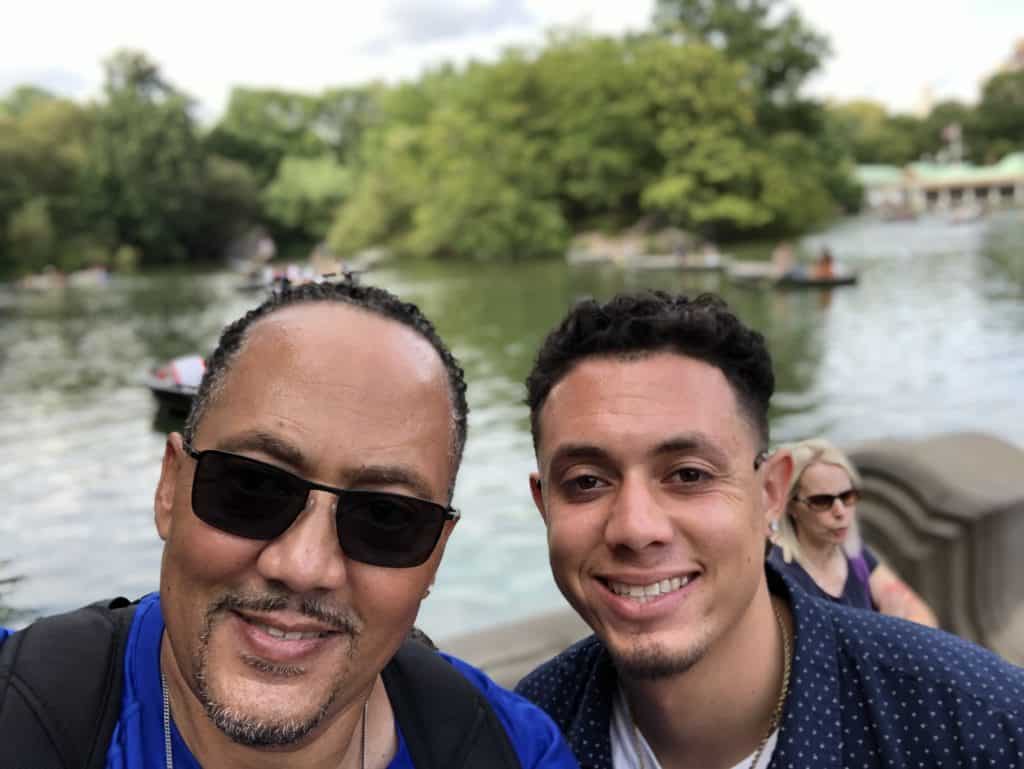
Even during the pandemic, Marc wasn’t going to let his fears of COVID-19 stop him. “Knowledge is key,” Marc said. “It’s normal to have fears, but the way you overcome fear is with information and understanding. Doctors’ offices were taking several steps to ensure that cancer survivors were safe and seeing them firsthand gave me confidence.”
Prostate cancer is the most common cancer in American men, besides skin cancer, and finding it early can make a big difference in outcomes. Marc knew he had a family history of the disease—his father was diagnosed with prostate cancer in 2005—and he made a commitment to himself and his family to regularly get his prostate-specific antigen (PSA) levels checked for early warning signs. In December 2019, a biopsy led to a diagnosis of localized prostate cancer. Following his diagnosis, Marc began and continued cancer treatment during the pandemic. He understood the fears of going into a hospital during a heightened threat of disease and that it can be even more challenging when you have to go alone, but it was too important for him not to pursue treatment on schedule.
“I believe the biggest challenge for cancer survivors to get tested and pursue treatment during COVID-19 is that you can’t bring a loved one or caregiver with you. Sitting in the infusion chair getting chemotherapy or hearing a tough diagnosis without your support system can be hard,” Marc said. “But it can be done safely, and I am proof of that. I wore a mask during my second biopsy, bone and CT scans, and second opinion consultations.”
Marc was able to catch his cancer early before it metastasized. While his father also made a full recovery, in August and October of 2019, Marc lost two of his cousins to prostate cancer.
“I stood up at my cousin’s funeral and told everyone in the room, ‘This disease is in our family, and we have to do everything we can to stay ahead of it,'” Marc said.
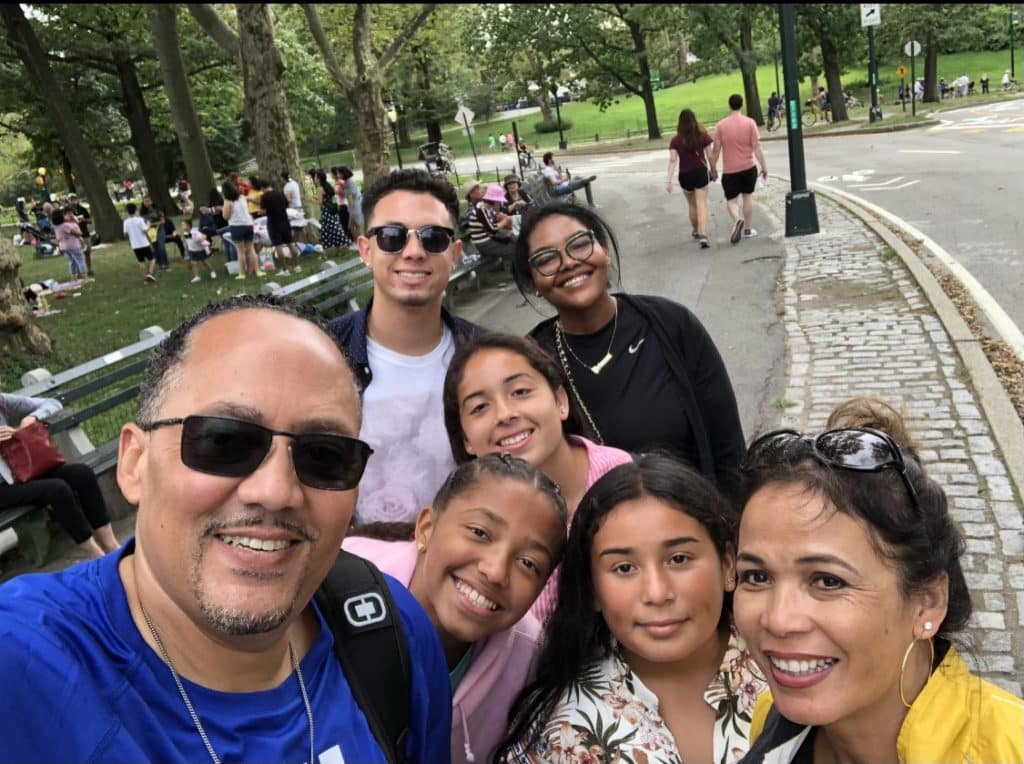
Screening and follow-up appointments play an essential role in the detection and treatment of cancer. Marc now makes sure to stay on top of his regular follow-up appointments, “I make sure to set early and frequent reminders and give myself enough time to fully prepare for my visits” he said. Marc’s early diagnosis may have been critical since localized prostate cancer has a good prognosis, with a five-year survival rate of nearly 100%. For metastasized cancer, however, the five-year survival rate drops to 30%. Simply put, timely screenings can help save lives.
Staying ahead of cancer is especially crucial for older Black adults, who are at a higher risk for developing it and have the highest death and lowest survival rates of any racial or ethnic group in the U.S. for most cancers.
“In Black men, prostate cancer can be more aggressive, so it’s important to have that conversation with your doctor,” Marc said. “If your insurance company won’t pay for it, there are advocacy groups in place who can help. This is too important to ignore.”
Unfortunately, the pandemic led to a reduction in access to care and delays in routine cancer care, with reallocation of healthcare resources and fear of infection contributing to the decline in follow-up appointments and screenings. Studies show that there were 63% fewer prostate cancer screenings during March – May 2020 compared to the same period in 2019.
“It wasn’t as if I wasn’t touched by COVID-19 or had no fear,” Marc said. “Unfortunately, people in my family died from this disease, but I wasn’t going to survive COVID-19 and then die from prostate cancer a year later.”
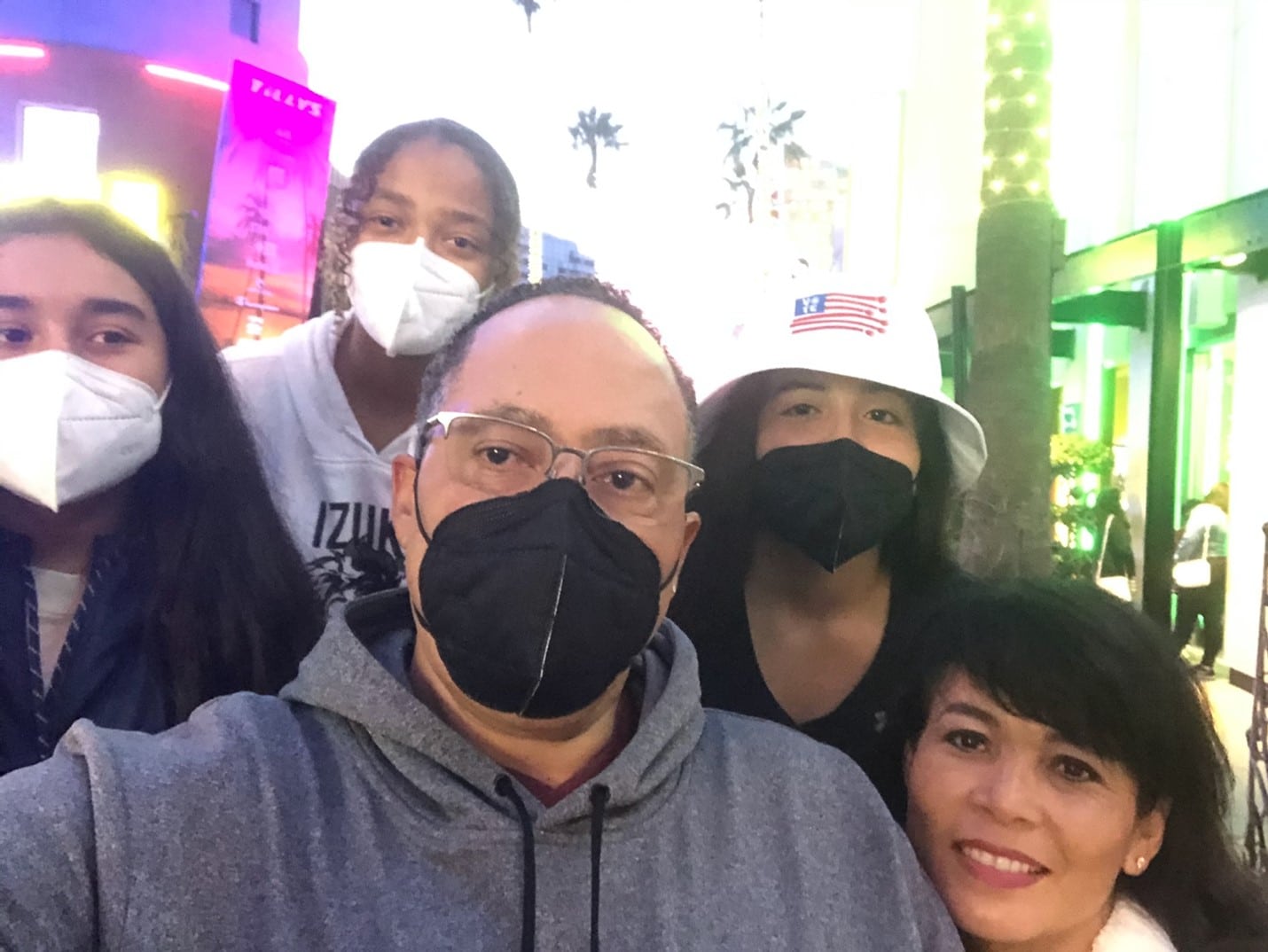
Today, Marc emphasizes the importance of getting screened for cancer and that survivors remain consistent with all facets of follow-up and care. That is why he’s telling his story as part of Pfizer’s Get It Done initiative, which empowers cancer survivors to talk to their doctor about their next cancer screenings or follow-up appointments. Get It Done provides people who have experienced a cancer diagnosis with resources and tools to help guide those conversations, either in-person or via telehealth at GetCancerScreened.com.
A reluctance to get screened for prostate cancer isn’t something new, with 42% of men saying fear and dread of discomfort are two reasons they don’t get tested. Seeing the impact early screening can have on a diagnosis, Marc hopes to encourage those who have received a cancer diagnosis to take early action on cancer as a priority.
“Fear and over-analysis lead to analysis paralysis, which leads to nothing,” Marc said. “Taking the first step and talking with your doctor can mean the difference between life and death, don’t let fear stop you from making the right discussion for your health and your family.”
Marc is a Pfizer employee and volunteered to tell his story as part of the Get It Done initiative. National Black Family Cancer Awareness Week is June 17th – 23rd – make time to talk to your family about cancer screenings and follow-up appointments. Visit GetCancerScreened.com to learn more about Get It Done. Cancer Screening. Get It Done.

By subscribing, you consent to receive emails from BlackDoctor.com. You may unsubscribe at any time. Privacy Policy & Terms of Service.