Are you planning for some fun in the sun this summer? Before you hit the beach, consider these tips to make sure your vacation is safe and fun.
1. Keep Diabetes Medications Readily Available

No matter how you travel – plane, train, or automobile, it’s important to keep your diabetes supplies readily available.
When traveling by plane, be sure to put all of your diabetes supplies and medications in your carry-on. Checked baggage goes in the bottom of the plane where it can be exposed to extreme cold or heat that can spoil insulin and destroy your glucose meter. Dacia Bryant, Founder and Chief Health Officer at A ONE C LifeBox, a digital healthcare engagement company that equips Black and Hispanic people with the tools to manage their diabetes more effectively, suggest using a cool storage pouch for insulin. These are small enough to fit into your carry-on luggage.
“I often recommend packing a cooler like the Frio Insulin Cooling Case or a Medicool pouch. These cool storage pouches will protect insulin and other injectables from extreme heat not only during hot summer months but also throughout the year if you travel to warm climates where air conditioning may be limited, and power loss is common,” says Bryant.
The same rules for air travel apply when traveling by train or car. Bryant also reminds her patients to keep insulin and other medications handy either in a clear plastic baggy in a handbag or carry-on when traveling instead of the trunk of a car or in checked luggage.
2. Avoid Tanning and Tattoos

Any increase in skin pigment as a result of tanning is a sign of damage. Ultraviolet radiation from the sun can cause dry skin, wrinkles and dark spots. People with diabetes tend to have dry skin, increasing the risk of damage from the sun’s rays. Dry skin can lead to cracking and peeling which allows bacteria to enter the body and cause infection.
Tattooing also puts you at risk for infection – particularly HIV and hepatitis, if you are exposed to unclean tools, practices, or products. Also, if your diabetes is in poor control, a tattoo might not heal properly.
Tight blood glucose – also called blood sugar, control is crucial to help protect your skin from sun damage and facilitate healing if damage occurs. The American Diabetes Association recommends an A1C score less than 7 percent or an estimated average glucose of 154 mg/dl.
3. Be Careful With Contact Lenses
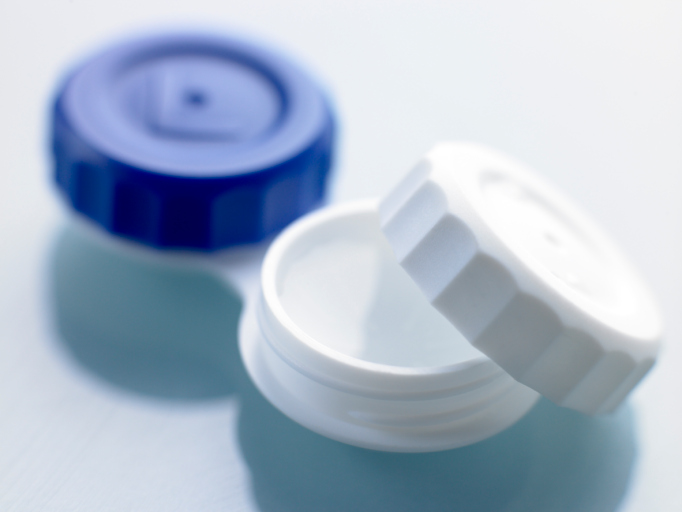
Patients with diabetes are more susceptible to dry eye syndrome, which occurs when the eye does not produce tears properly. Dry eye syndrome increases the risk for inflammation, infections, and scars on the cornea. To avoid these problems make sure your contacts are prescribed by an eye care professional. It’s also important to keep your blood glucose levels under control. Research shows the higher the hemoglobin A1C values, the higher the rate of dry eye syndrome.
Don’t be tempted to buy colored or decorative lenses sold along the boardwalk, in convenience stores or internet sites that do not require a prescription. They can damage your eyes and cause infection.
Handle your lenses with care. Always, wash your hands before touching lenses, and be sure to use only sterile solution. Remove your contacts before swimming or getting in a hot tub.
4. Stay Hydrated

Dehydration happens when your body does not have as much water and fluids as it should. It can be mild, moderate, or severe. For people with diabetes, dehydration can lead to dangerously high blood glucose levels.
“Monitoring for high blood sugar is especially important in the hot summer months when dehydration is common. Becoming dehydrated from sweating and not replacing that water can lead to high blood sugar. When fluids leave your body, your blood becomes more concentrated with glucose,” says Bryant. “Dehydration also leads to a decrease in blood flow supplied to the skin where insulin is injected. Your insulin dose may not be fully absorbed, and blood glucose can remain high.”
So avoid getting dehydrated. For instance, when you spend a late afternoon at the beach bring water and drink even before you feel thirsty. The Institute of Medicine recommends that women consume 11 cups of fluid per day; men should have 16 cups of fully daily to stay fully hydrated. About 80 percent of your daily fluid intake should come from water and other beverages that you drink. The other 20 percent can come from juicy foods like fruits and vegetables.

Constance Brown-Riggs, MSEd, RD, CDE, CDN is a registered dietitian, certified diabetes educator, national speaker and author of The African American Guide to Living Well with Diabetes.. She is Dannon One Yogurt Every Day Nutrition Advisor.


By subscribing, you consent to receive emails from BlackDoctor.com. You may unsubscribe at any time. Privacy Policy & Terms of Service.