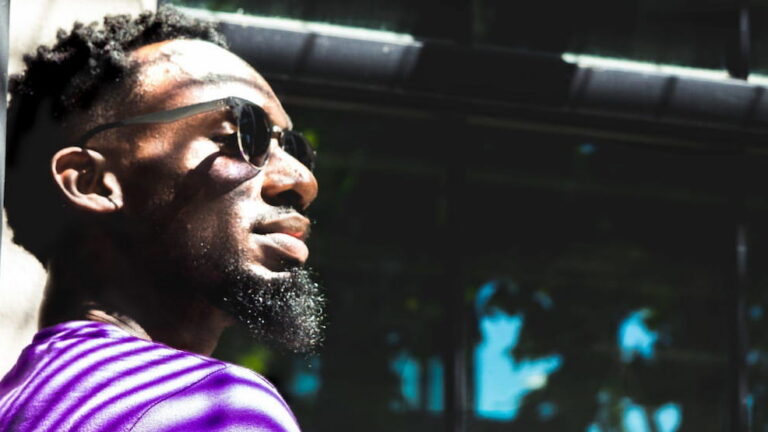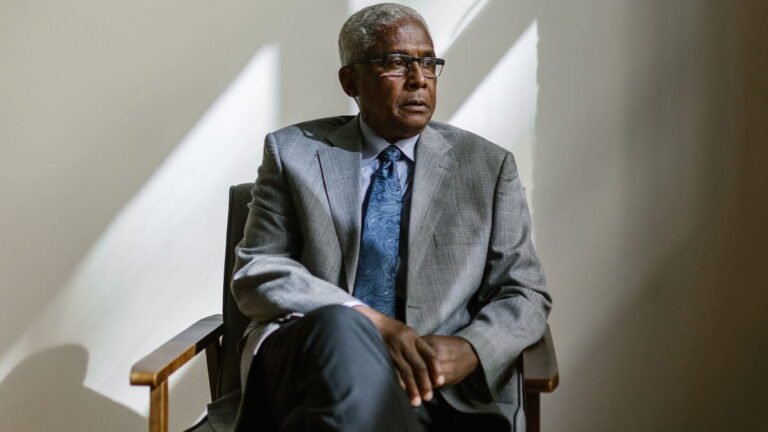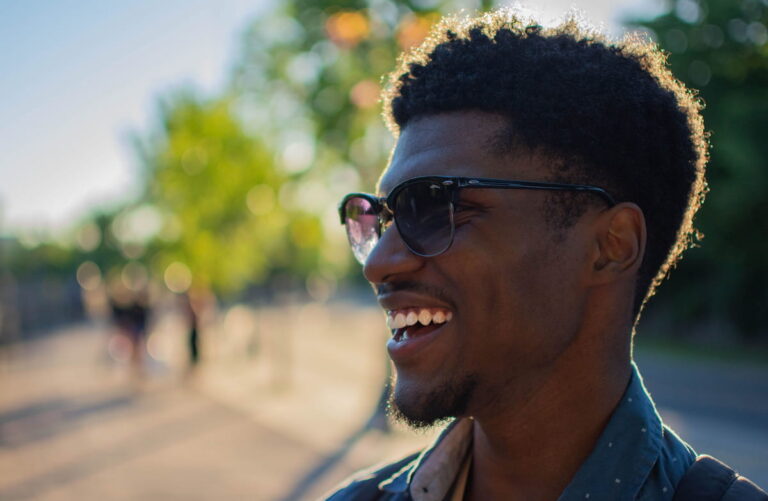
Naturally, a conversation about mental health and the growing awareness around suicide amongst Black men must acknowledge the lost lives of our brothers Don Cornelius, Lee Thompson Young, Freddie E, Shakir Stewart, Jovan Belcher, Chris Lightly, Kalif Browder and others. However, I’d also like to pay respect to the countless brothers that continue to occupy space in our lives that are suffering silently.
Looking For More Mental Health Resources? Visit SAMHSA Today.
We have all heard, experienced and even perpetuated cultural expectations to “suck it up.” All too often this normalized disaffirmation and invalidation unintentionally silences and shames our brothers (and sisters). This shame robs us of the capacity to honestly and authentically address unresolved traumas or feelings of inadequacy, pain, anger, and fear.
Have you ever heard yourself say, “…I’ve never seen him/her cry…he/she is very strong…”? What makes suffering from a cultural perspective so complex is the recognition that in fact a cautious expression of emotionality is one demonstration of strength. Most problematic is the assumption and persistent belief that our strength, our men’s strength is one dimensional, that strength only looks one way.
Men are not vulnerable.
Men do not cry.
Men do not express affection (especially to other men).
The intergenerational normalization of silent suffering in Black communities is passed down from generation to generation like an heirloom and the catalyst to this form of self-preservation can be directly linked to historical mistreatment, harm and invisibility. From the commonly talked about implications of slavery and the Jim Crow era to the less talked about practices of Phrenology, a pseudoscientific practice that was used to “prove” white supremacy or scientific barbarism conducted by physician J. Marion Sims who performed surgical procedures on anaesthetized African women because they were built for painful medical experimentation. One cannot discount the modern practices of invalidation, macro and microaggressions that are endured on a daily bases by Black men and women.
YOU MAY ALSO LIKE: Black People DO Go To Therapy
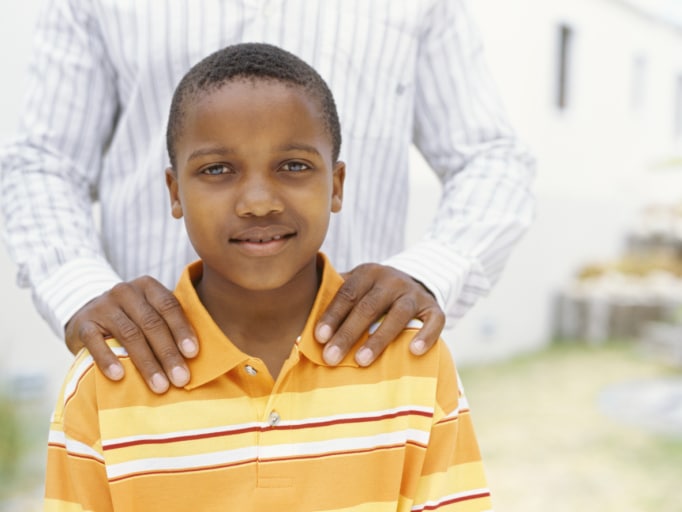
Black males are consistently taught that their opinions are irrelevant. Black males are consistently taught that their frustration is irrational and unwarranted. Black males are consistently taught that their pain is unacceptable. The Black male existence is consistently silenced or punished in an environment that is often abusive and traumatizing. There are grave costs to such intergenerational socialization.
Black boys can’t feel upset.
Black boys can’t feel pain.
Black boys can’t feel fear.
Black boys can’t feel….anything and so they don’t.
Many black boys suffer in silence, act out, avoid, self-medicate, or exert their power in validating albeit destructive ways such as criminal behaviors. Many black boys suffer in isolation feeding their shame and may exert their power in the most permanent fashion, by taking their own life. The act of suicide in the Black male population may also mimic homicidal intent (e.g. the vow to take everybody out) or volatile outbursts that lead to such situations as “death by cop.” These behaviors are a demonstration of both pain and rage.
Generally, suicidal ideation or suicidal thoughts are a manifestation of persistent and pervasive distress met with hopelessness and desperation (unless paired with impulsive behavior, comorbid diagnosis, or substance use). The Suicide Prevention and Resource Center asserts that in 2011 of the Black male high school students that completed their survey, 9% had serious thoughts of suicide, while 7.7% made an attempt. We know that the rate of black male suicides are increasing steadily almost as a collective and communal plea to be noticed.
We must unequivocally express care for the countless brothers that continue to occupy space in our lives that are surviving and thriving. Simply put, I’d like to pay respect to all of you. I’d like to publically express my love for you. The prolific and wise philosopher, Dr. Cornel West quotes in his literary work, Hope on a TightRope – “If you come from a people who have been so hated, love can become subversive and transformative”.
Black boys/men have a right to feel upset when harmed.
Black boys/men have a right to feel pain when wounded.
Black boys/men have right to feel fear when embarking on unchartered territory or entrenched in deplorable conditions.
Black boys/men have a right to be…human!
Collectively we can transform our community, honor our resilience, and stand in a new strength that will ultimately inform generations to come.

Dr. Brandi Pritchett-Johnson is a Licensed Psychologist and Clinical Assistant Professor at The University of Florida. She is also the CEO/President of the 501c3 nonprofit Future 4 Teens.


By subscribing, you consent to receive emails from BlackDoctor.com. You may unsubscribe at any time. Privacy Policy & Terms of Service.