

“Lose some weight,” “Don’t eat fat,” “Reduce sodium,” “Stay away from sugar,” “Eat smaller portions.” Sound familiar? Good advice, certainly, but it’s so vague. Carefully planning your meals and changing eating behavior are the most difficult aspects of improving your health. And if you have diabetes, it’s a whole lot more than just avoiding sugar. For that reason your doctor may suggest that you visit a registered dietitian nutritionist (RDN) for help managing your diet.
READ: Meal Planning For Diabetics
As an expert in nutrition, an RDN can translate scientific information—or vague advice, into clear, understandable information you can use.
March is National Nutrition Month, when the Academy of Nutrition and Dietetics reminds everyone to return to the basics of healthful eating. It is also when the Academy celebrates Registered Dietitian Nutritionist Day (March 9), honoring the contributions of RDNs as the food and nutrition experts.
“Because virtually anyone can call him or herself a ‘nutritionist,’ it is vital for consumers to know where they should turn when they are seeking timely, accurate and science-based nutrition advice from an educated, trained and trusted professional,” said registered dietitian nutritionist and Academy Spokesperson Vandana Sheth. “Consumers should turn to a registered dietitian nutritionist.”
Here are a few of the many benefits of working with an RDN.
The highest level of nutrition counseling: Registered dietitian nutritionists meet stringent academic and professional requirements, including earning at least a bachelor’s degree, completing a supervised practice program and passing a registration examination. RDNs must also complete continuing professional educational requirements to maintain registration. More than half of all RDNs have also earned master’s degrees or higher.
“Congress and federal health agencies like the Centers for Medicare and Medicaid Services have recognized that registered dietitians’ expertise in nutrition and health is more extensive than any other health profession,” Sheth said.
All registered dietitians are nutritionists—but not all nutritionists are registered dietitians. The Academy’s Board of Directors and Commission on Dietetic Registration have determined that those who hold the credential registered dietitian (RD) may optionally use registered dietitian nutritionist (RDN) instead. The two credentials have identical meanings. Many states—including New York, have licensure laws for dietitians. As a member of the New York State Academy of Nutrition and Dietetics, I hold New York State Certification as a Dietitian/Nutritionist (CDN). You’ll notice my credentials include both RD and CDN.
Help managing chronic diseases: RDNs are trained in the science of diet modifications to help you reach optimal health and to control illnesses such as diabetes. An RDN can review your lab results with you, help you to understand how food affects your condition and provide education about the nutrients that affect it. Then, he or she will help you create an eating plan that includes all the important nutrients that can help you manage your condition.
READ: 7 Diabetes Management Plan Essentials
Personally tailored advice: After learning about your health history, favorite foods, eating and exercise habits, an RDN will help you set goals and prioritize. To guide and motivate you, an RDN will use creative strategies to help with meal planning, grocery shopping, food journaling and mindful eating. Follow-up visits will focus on maintenance and monitoring your progress.
Now that you know the benefits of working with an RDN you’ll want to prepare yourself for your visit. Sheth suggests you ask the RDN the following questions:
Before your first consultation
During your first consultation
It’s important to seek out providers with whom you resonate. If you just don’t like or trust your RDN, you’re less likely to make appointments, less likely to follow instruction, and less likely to feel comfortable asking questions or pursuing the information you need.
“Just like any other profession, there can be a wide range in terms of personality, experience and counseling philosophy. Ensure that you find an RDN that is the right fit for you,” said Sheth
To find an RDN in your area, visit The Academy of Nutrition and Dietetics and click on “Find an Expert” in the upper right hand corner. Already have an RDN? Then celebrate Registered Dietitian Nutritionist Day by sharing how your RDN has helped you.
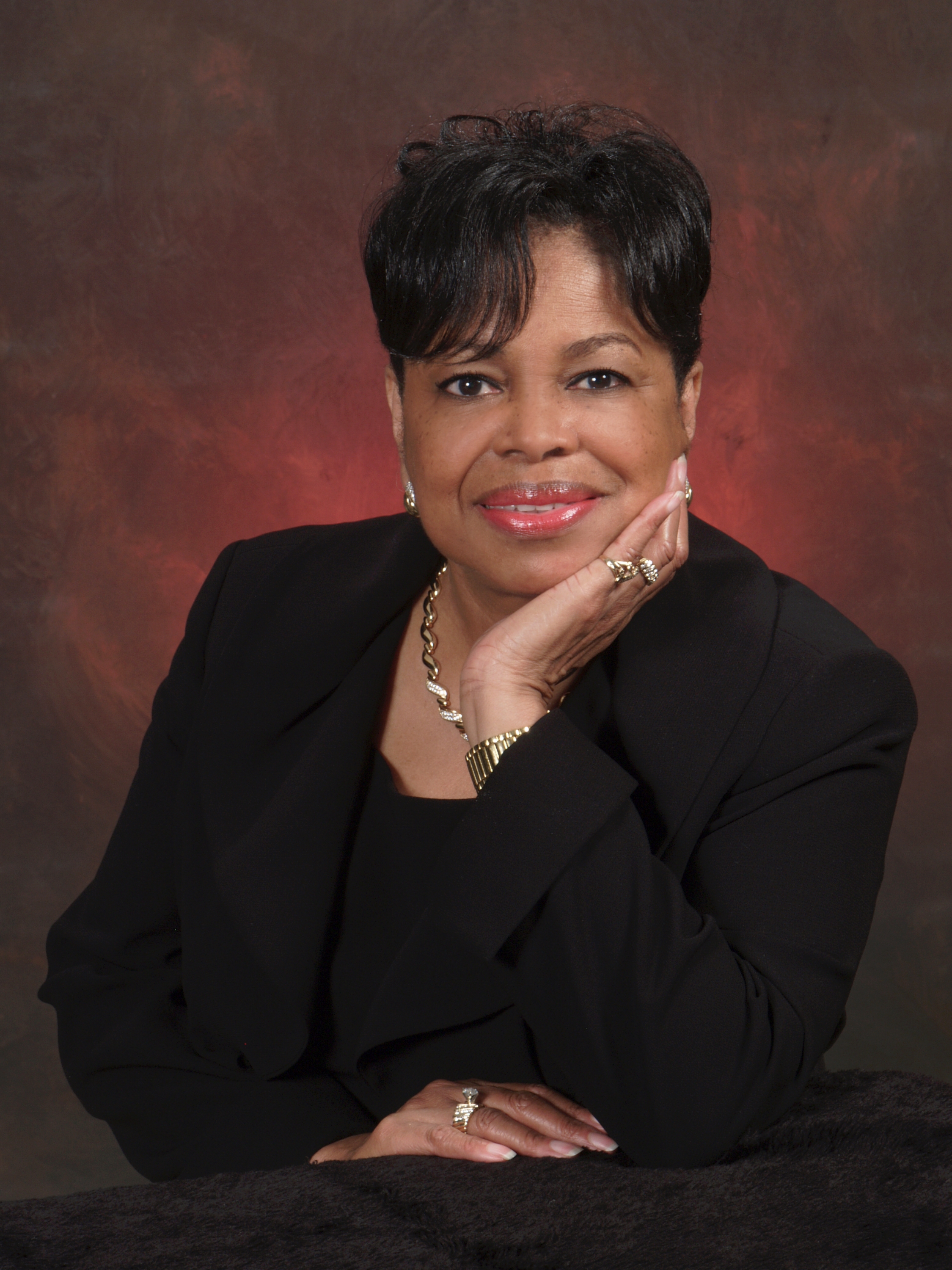
Constance Brown-Riggs, MSEd, RD, CDE, CDN, is an award winning registered dietitian, certified diabetes educator, and past spokesperson for the Academy of Nutrition and Dietetics. She is the author of The African American Guide To Living Well With Diabetes and Eating Soulfully and Healthfully with Diabetes. Learn more about her work at www.constancebrownriggs.com and follow her on Twitter@eatingsoulfully.


By subscribing, you consent to receive emails from BlackDoctor.com. You may unsubscribe at any time. Privacy Policy & Terms of Service.














