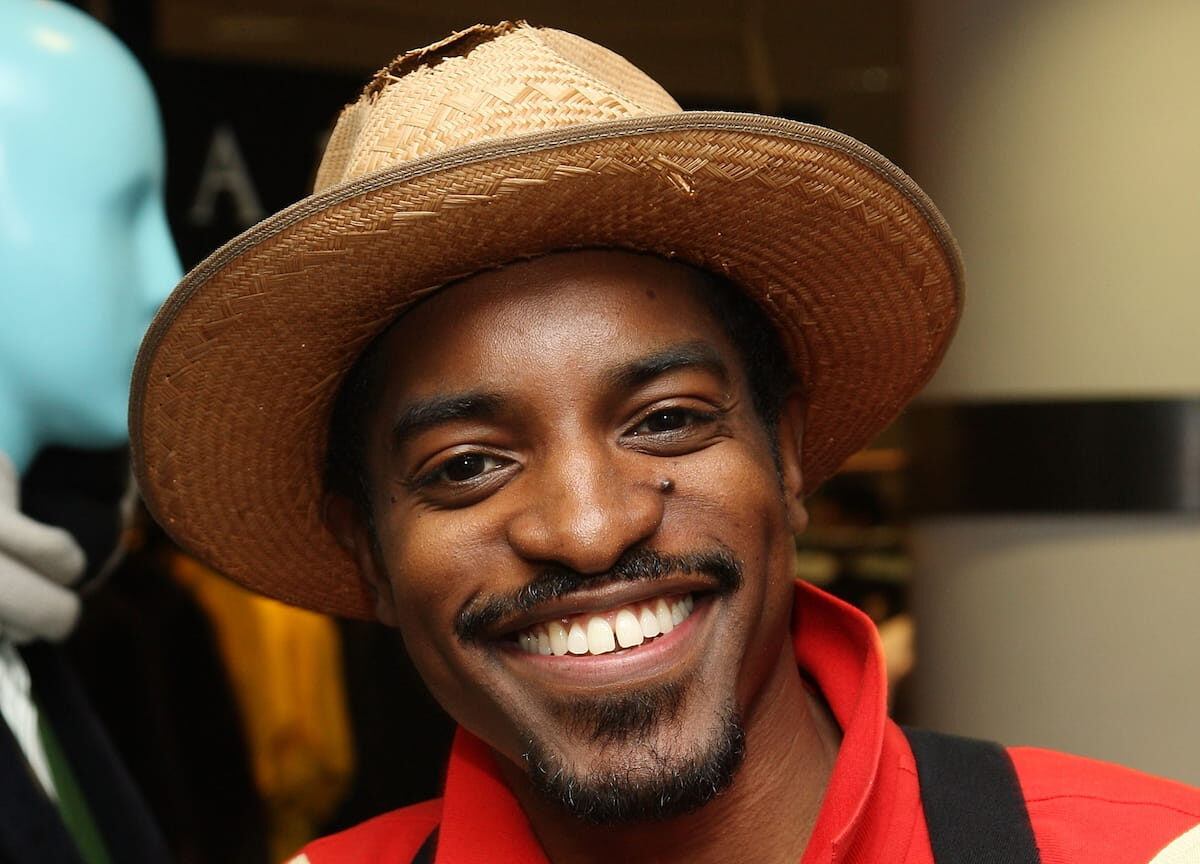
For decades, André 3000 has remained one of the most fascinating and unpredictable figures in music. Known for his genre-bending artistry, fearless fashion choices, introspective lyrics, and quiet mystique, the OutKast legend has never followed the traditional rules of celebrity culture—or aging.
Now at 51, André Benjamin, better known to the world as André 3000 or Andre 3 Stacks, represents something increasingly rare in entertainment: a man who has embraced evolution instead of resisting it.
At his ripe old age, André appears healthier, calmer, and more grounded than many celebrities half his age. And according to André himself, much of that journey came from learning who he truly is.
“You gotta put the time in to figure out who you are, and what you’re not,” André once explained while discussing creativity and personal growth. “You can’t feed on mimicking.”
From redefining Southern hip-hop with OutKast to stepping away from the spotlight to protect his peace, André’s journey to over 50 has been less about chasing fame and more about finding balance, creativity, and emotional wellness.
Born and raised in Atlanta, 3 Stacks emerged during a pivotal moment in hip-hop history. Alongside his partner in crime, Big Boi, he helped put Southern rap on the map when OutKast released their groundbreaking debut album, Southernplayalisticadillacmuzik in 1994.
At the time, East Coast and West Coast rap dominated the culture. Southern artists were often dismissed. But André’s lyrical intelligence, eccentric personality, and willingness to challenge expectations made him impossible to ignore.
One of the defining moments of his career came at the 1995 Source Awards when OutKast was booed by the audience after winning Best New Rap Group. André famously responded with the now-iconic phrase:
“The South got something to say.”
That moment became more than a speech—it became a cultural turning point.
As OutKast evolved through albums like ATLiens, Aquemini, and Stankonia, André became known for pushing artistic boundaries.
He experimented with singing, live instrumentation, funk, jazz, rock influences, and emotionally vulnerable storytelling long before it became mainstream in hip-hop. By the time OutKast released the Grammy-winning double album Speakerboxxx/The Love Below in 2003, André had transformed from rapper into full-fledged creative visionary.
Songs like Hey Ya! showcased his ability to blend infectious pop appeal with deeper commentary about love, loneliness, and modern relationships.
But success came with pressure.
Unlike many celebrities who constantly chase visibility, André 3000 gradually stepped away from the nonstop cycle of fame. Over the years, he has openly discussed struggles with anxiety, social discomfort, overthinking, and the emotional toll of celebrity life.
In interviews, André has admitted that performing sometimes became mentally exhausting, despite his success. He often described himself as deeply introspective and emotionally sensitive.
Instead of forcing himself to maintain an image, he chose distance, privacy, and self-preservation.
That decision may be one of the biggest reasons he appears grounded and emotionally healthy at 50.
While he rarely frames himself as a wellness guru, André’s lifestyle reveals several powerful mental health habits:
Fans often spot him casually walking through cities with a flute in hand—a symbol of the slower, more intentional life he has embraced in recent years.
André 3000’s youthful appearance and calm demeanor have sparked curiosity for years. While he does not publicly share detailed workout plans or strict diet regimens, people close to him and past interviews suggest he focuses heavily on moderation, mindfulness, and clean living.
At one point, he followed a strict vegan and even raw-food lifestyle for years. But eventually, he realized balance mattered more than perfection.
“I was a hardcore vegan for 15 years,” André once explained. “But socially it became horrible.”
That realization reflects much of André’s approach to health at 50: sustainability over extremes.
His lifestyle appears centered around:
Unlike many celebrities chasing youth externally, André’s version of wellness seems rooted in mental clarity and emotional stability.
One of André’s most talked-about habits is walking.
For years, fans have shared photos and stories of seeing him taking long walks through cities across America. Walking became both a physical and emotional outlet for him.
“I love walking,” he told GQ while discussing life in New York. “Part of my therapy—they call it cognitive therapy. It’s basically just another word for face that shit.”
Health experts consistently note that walking can:
For André, walking appears to function almost like meditation in motion.
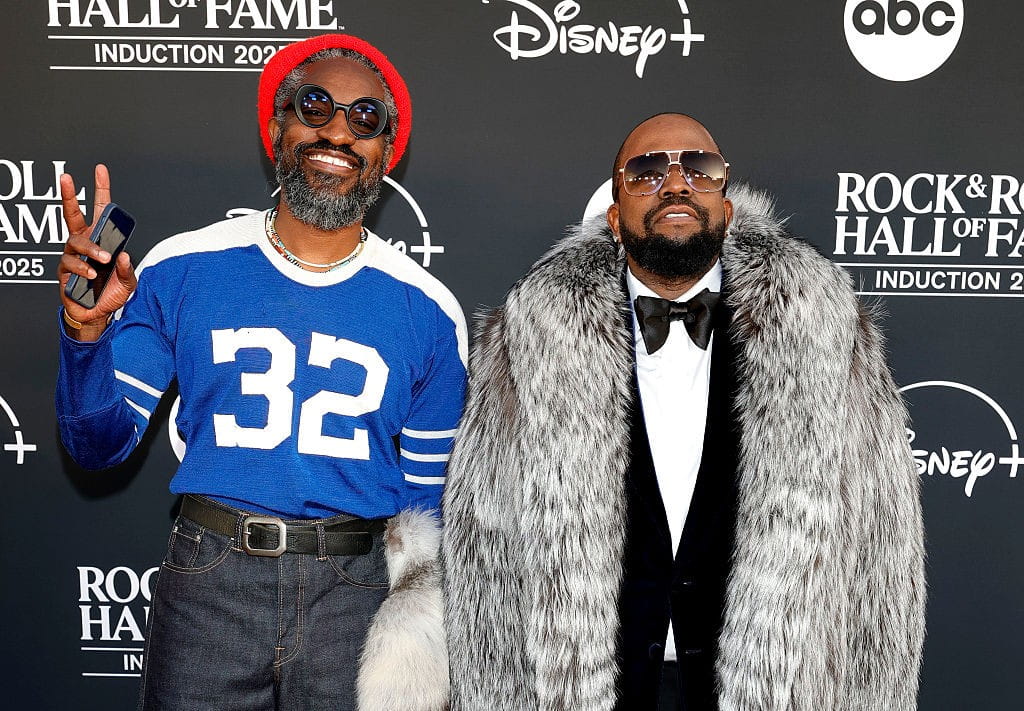
In 2023, André surprised the world again by releasing New Blue Sun—an ambient jazz flute album with no rap verses.
The project confused some fans expecting a traditional hip-hop return, but it perfectly reflected where André was mentally and spiritually. The album emphasized exploration, peace, experimentation, and emotional freedom rather than commercial expectations.
It was another reminder that André 3000 has never been interested in simply repeating old formulas.
At 50, he continues to evolve instead of living off nostalgia.
What makes André 3000’s story so compelling is that his evolution mirrors what many people experience as they age: learning to prioritize peace over performance.
His life offers several lessons about healthy aging:
André never trapped himself inside one identity. He allowed himself to grow artistically and personally.
He normalized stepping back when fame became emotionally overwhelming.
Walking, solitude, music, and mindfulness became tools for wellness.
At 50, André remains one of the most creatively respected artists in entertainment.
Rather than chasing trends, he embraced authenticity—even when people did not understand it.
Few artists have influenced music, fashion, creativity, and emotional vulnerability the way André 3000 has.
He helped reshape hip-hop’s possibilities while quietly showing that success does not have to come at the expense of mental wellness.
At 50, André 3000 is not trying to prove he can still keep up with younger artists. Instead, he represents something more meaningful: a man aging on his own terms, protecting his peace, and continuing to create from a place of honesty.
And in a culture obsessed with constant visibility and noise, that may be his most revolutionary act yet.


By subscribing, you consent to receive emails from BlackDoctor.com. You may unsubscribe at any time. Privacy Policy & Terms of Service.