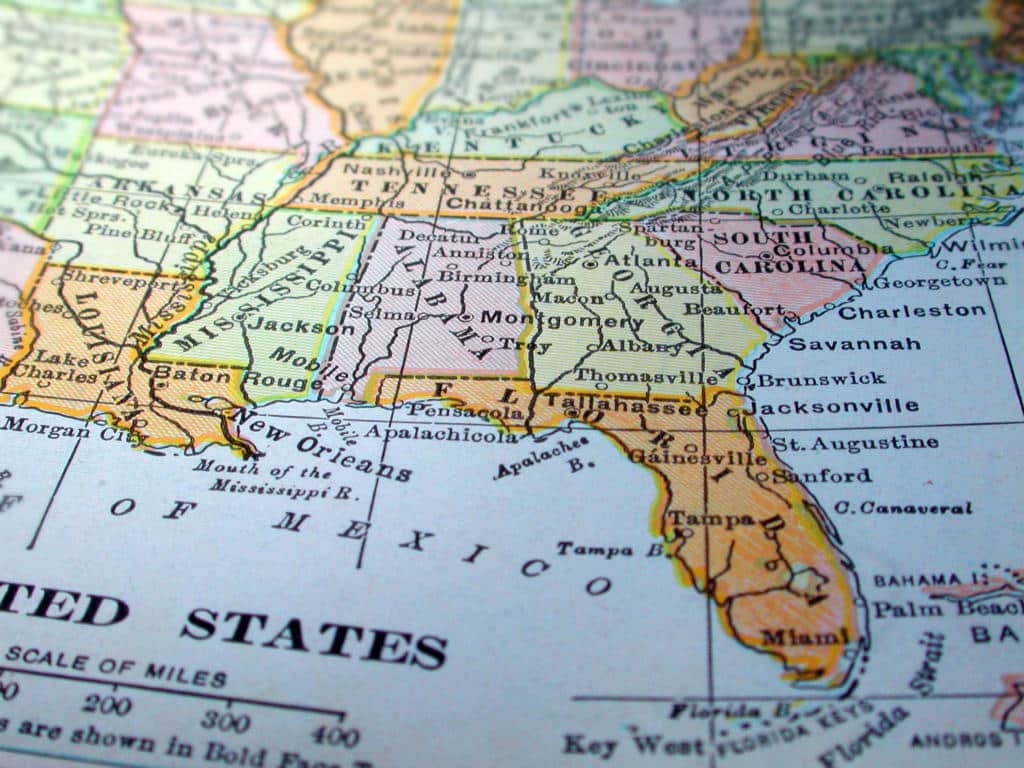
Black women, our mothers, sisters, daughters, aunties and friends are dying in Alabama. They are dying from cervical cancer at the highest rates in the United States, according to a new report from an international human rights group.
Research from the nonprofit Human Rights Watch released Thursday found that Alabama has the highest rate of cervical cancer mortality in the country, at 3.9 deaths per 100,000 women. Black Alabamians are nearly twice as likely as white women to die from the cancer, at a rate of 5.2 deaths per 100,000.
Cervical cancer, a disease researchers believe is on track to be eradicated within 20 years in some industrialized nations, is killing a disproportionate number of women across the American south.
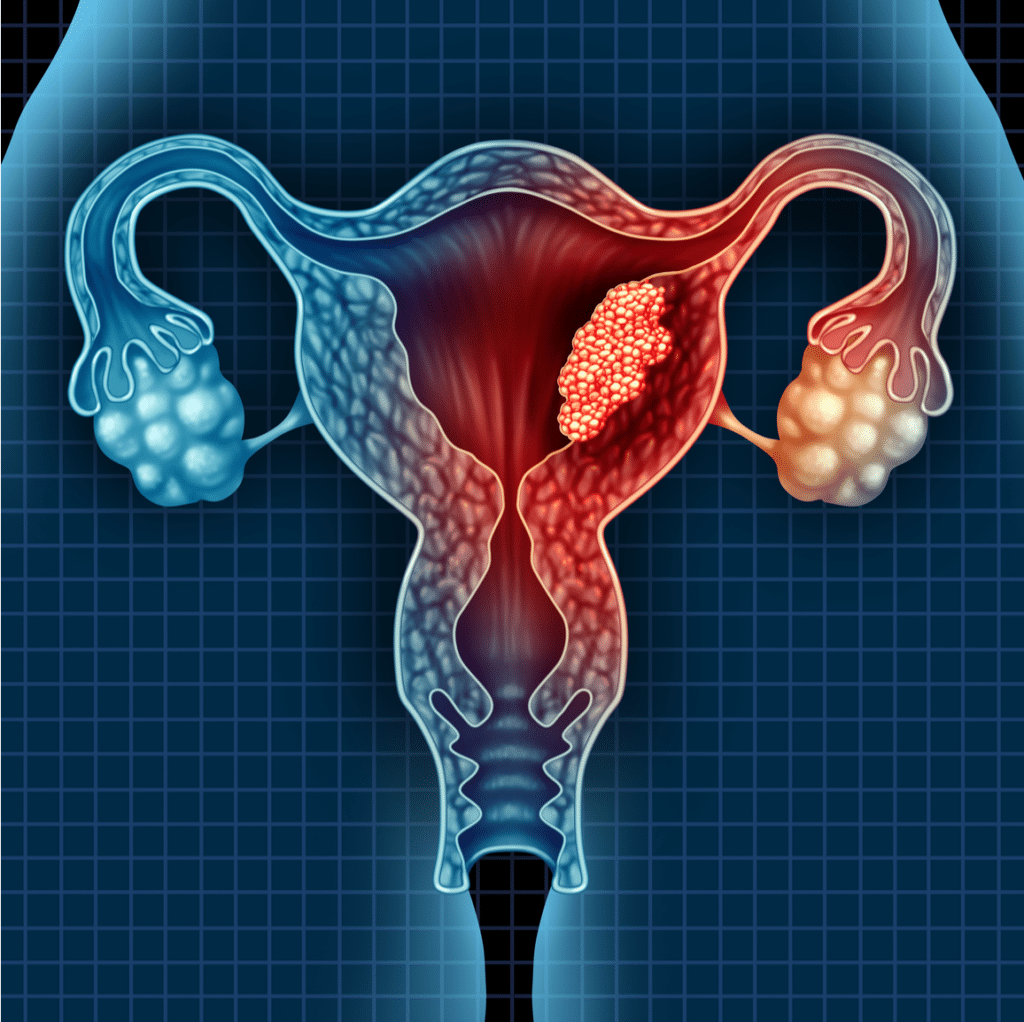
Cervical cancer is a type of cancer that occurs in the cells of the cervix — the lower part of the uterus that connects to the vagina.
Various strains of the human papillomavirus (HPV), a sexually transmitted infection, play a role in causing most cervical cancer.
When exposed to HPV, a woman’s immune system typically prevents the virus from doing harm. In a small group of women, however, the virus survives for years, contributing to the process that causes some cells on the surface of the cervix to become cancer cells.
Lack of health insurance, in the words of one victim’s daughter, was a “death sentence” for one black woman’s mother.
“My mom could have had a hysterectomy, and I believe that it would have prevented the precancerous cells from growing and turning to a tumor,” said Karen Snipes to The Guardian, whose mother died of cervical cancer in 2017.
Many say restrictive health insurance policies, lack of physicians, poverty and structural racism for the failure to properly treat the disease. Given current technology, experts said cervical cancer could be virtually eliminated in industrialized nations such as the US.
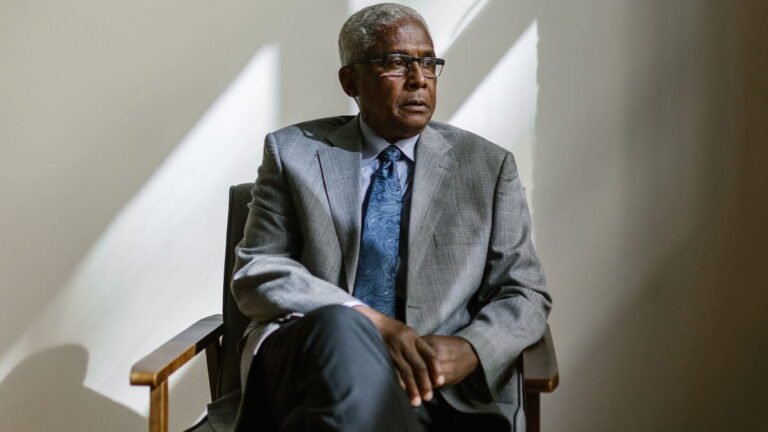
“We should never, ever see cervical cancer. Not in the United States,” said Dr. William M Stevens, a gynecologist in Selma, Alabama. Stevens is the only gynecologist in five of Alabama’s poorest counties which lie in a region sometimes called the “black belt” for its rich soil and large population of African Americans.
Stevens described the situation as comparable to under-resourced Kenyan villages, where he also practices. In Kenya, 21.8 women out of every 100,000 will die of cervical cancer.
On average, cervical cancer in the United States kills 2.4 women out of every 100,000, or about 4,200 women a year. In Alabama, women die at a rate of 3.9 out of every 100,000, but vast racial health disparities skew the picture. Black women die at nearly double the rate of white women, at 5.2 out of every 100,000 versus 2.7 out of every 100,000.
Human Rights Watch found the situation appears to be worsening. Cervical cancer deaths in Alabama increased by 34.5% between 2010 and 2014.
“I had a lady two years ago, she had no money and came up here because she was having spotting after intercourse for two years. Hadn’t had a pap test in 10 years. She’d been to the emergency room three times … So, when she came in here, I told her I’d look at her. Put [in] the speculum and she had cervical cancer coming down her vagina – 27 years old,” said Stevens.
Cervical cancer screening was one of the greatest breakthroughs in modern cancer treatment. In the 1940s, cervical cancer was a major cause of death for American women. Following implementation of the pap smear in the 1950s, deaths from the disease plummeted.
The human papillomavirus (HPV) vaccine further advanced prevention efforts. Virtually all cervical cancers are caused by HPV. Two vaccines, Gardasil and Cervarix, guard against two strains that cause nearly 70% of cervical cancers.
“Doctors need to be able to communicate clearly to patients and parents why vaccination early on is important,” HRW senior researcher Amanda Klasing said. “It’s not just about sexual activity. It’s about preparing and protecting children early for what can happen later in life. Because of stigma around sexual activity, it makes doctors uncomfortable and it makes parents uncomfortable. There is a way to talk about vaccination that delinks it from the more stigmatized form. Alabama’s lack of clear guidelines for evidence-based sexual education puts children at a disadvantage to protect and take care of themselves later in life.”
Adequate screenings and follow-up care for abnormal test results should add another layer of prevention, HRW’s report states, but inconsistencies in health insurance coverage and a destabilization of community health providers particularly impacts Alabama’s Black Belt, where gynecological care providers are few and far between.
Health insurance is also one of the most powerful barriers to treatment in Alabama. About half of Americans rely on…
… employers to provide health insurance, often at a high cost. Nearly a third rely on government-funded public health insurance, such as Medicare or Medicaid.
However, in Alabama, strict income requirements keep many people from enrolling in Medicaid. Alabama’s Medicaid program ties with Texas as the most restrictive in the nation. Poor pregnant women receive Medicaid for only three months after they give birth. Caregivers must live in extreme poverty, and earn less than $2,200 a year to qualify for Medicaid. “Able-bodied” people who are not pregnant or caregivers are completely ineligible for the program, no matter how poor.
In 2009, the Obama administration expanded Medicaid to cover millions more Americans above the poverty line. Republicans in Alabama fought that expansion and recently sought to add work requirements to the program.
Before 2010, women on Medicaid in Alabama qualified for free pap smears, but no follow-up care if their test came back abnormal. A federal program sought to close that gap, but bureaucratic hurdles worsened treatment delays for black women. After patients were found to be “cancer-free”, they were no longer eligible for the program, leaving cancer survivors without insurance.


By subscribing, you consent to receive emails from BlackDoctor.com. You may unsubscribe at any time. Privacy Policy & Terms of Service.