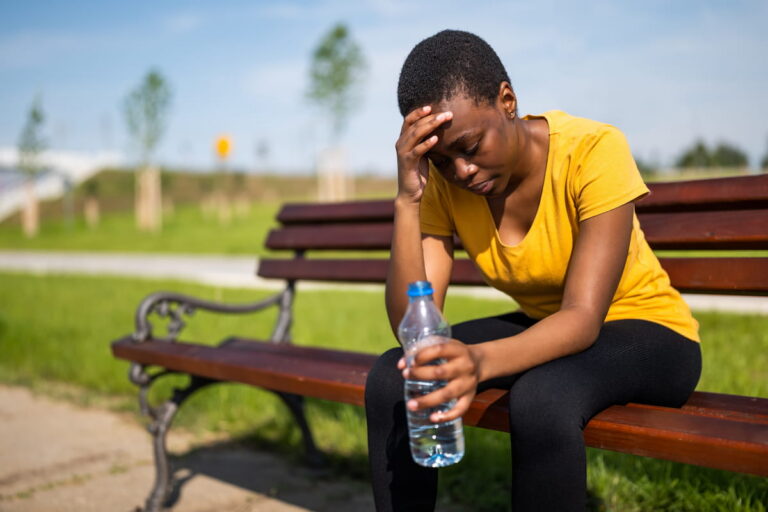
Overcast skies and a light drizzle of rain followed Charlotte as she returned to the doctor’s office to find out the results of the needle biopsy of her left breast. So confident that the “white spot” on the mammogram film reflected a small deposit of benign (noncancerous) calcium deposits, she didn’t even consider asking any of her friends to come with her to this follow-up visit with the doctor. After having her weight and blood pressure recorded by one of the nurses, Dr. Hernandez joined Charlotte in the exam room. She sat on the stool across from Charlotte, opened her medical record, and not looking up from the page, said, “it looks like you have a cancer.” She went on to describe treatment options, and next steps, but all Charlotte could remember was “it looks like you have a cancer.”
She left the office in a daze, and as she walked through the parking lot to her car, she could feel a wave of hysteria working its way from her feet to her head. Charlotte tried to calm herself, and decided the best way to regroup was to go back to work and busy herself with the demands of her job as a dishwasher in a nearby restaurant. Now more than ever, she realized how much she relied on every dime she earned at the restaurant. If she has to undergo surgery, chemotherapy, and radiation treatments, she was going to end up unemployed. Working as a dishwasher simply did not provide the kind of sick leave – paid or unpaid, needed to maintain employment while undergoing cancer treatments.
She was also going to have to give up her apartment once her paychecks stopped, and find someone to live with for at least the next year. Were there resources available in her city to help her? Could she move “back home” with her sister who lives in the neighboring state and receive the treatment she needs at minimal cost? Should she tell her employer now or wait until she had figured out what she was going to do next? The statement – “it looks like you have a cancer,” had effectively turned her life upside down. Headed to her car at the end of her shift, she felt the swirl of hysteria surround and try to overtake her – again.
Cancer is not just one disease, but many diseases. There are more than 100 kinds of cancer. For all cancers combined during the period 1999-2012, among women, “black women were more likely to die of cancer than any other group, followed by white, American Indian/Alaska Native, Hispanic, and Asian/Pacific Islander women.” Similarly, among men, “black men were more likely to die of cancer than any other group, followed by white, Hispanic, American Indian/Alaska Native, and Asian/Pacific Islander men.
According to the Centers for Disease Control and Prevention (CDC), “Breast cancer is the second leading cause of cancer deaths among women in the United States (2005-2009). Breast cancer deaths are going down the fastest among white women compared to women of other races and ethnicities.
Black women have the highest death rates of all racial and ethnic groups and are 40% more likely to die of breast cancer than white women. The reasons for this difference result from many factors including having more aggressive cancers and fewer social and economic resources.” CDC also recommends that “after cancer is found, treatment should start as soon as possible.” Fewer black women receive the surgery, radiation, and hormone treatments needed than their white counterparts.
We know that “new cancer cases can be reduced and many cancer deaths can be prevented. CDC offers free or low-cost mammograms and Pap tests nationwide, and free or low-cost colorectal cancer screening in 25 states and four tribes. Vaccines (shots) also help lower cancer risk. The human papillomavirus (HPV) vaccine helps prevent most cervical cancers and several other kinds of cancer, and the hepatitis B vaccine can help lower liver cancer risk.”
There are also personal habits we can adopt such as “avoiding tobacco, limiting alcohol use, protecting your skin from the sun and avoiding indoor tanning, eating a diet rich in fruits and vegetables, keeping a healthy weight, and being physically active.”
But, how do we as a society help Charlotte overcome the threat of homelessness, the loss of income, and reduce the time between the diagnosis of cancer and when she is able to begin and complete the treatment needed to save her life? What resources and programs are available in your community to help men and women sustain themselves as they journey through the process of surviving cancer?


By subscribing, you consent to receive emails from BlackDoctor.com. You may unsubscribe at any time. Privacy Policy & Terms of Service.