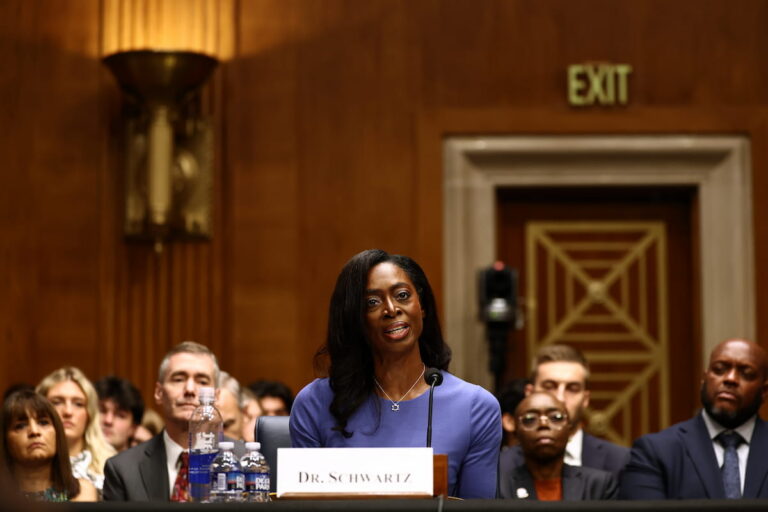
Federal laws and orders, as well as congressional policies, significantly shape the lives of Black Americans.
The Trump administration’s crackdown on diversity, equity, and inclusion (DEI) initiatives has triggered negative reactions and garnered substantial media attention. Reports often indicate that these actions could have profound implications for Black communities.
But what about policies that could actually benefit people of color?
While President Donald Trump has received a lot of flak for recent moves since taking office in late January, one health initiative he has taken action on could increase access to affordable infertility treatments and a type of assisted reproductive technology to help those struggling to conceive children.
Black women have faced more issues having children compared to their white counterparts. There is also male factor infertility, affecting about 10 to 15 percent of men trying to impregnate a woman nationwide, according to the Cleveland Clinic.
Trump signed a recent executive order to find ways to lower the cost of in vitro fertilization (IVF), a medical procedure that helps people facing infertility build their families.
“Many hopeful couples dream of starting a family, but as many as one in seven are unable to conceive a child,” the order says. “Despite their hopes and efforts, infertility struggles can make conception difficult, turning what should be a joyful experience into an emotional and financial struggle.”
The order could mandate health insurance companies to cover this expensive procedure. That could mean more Black women and men experiencing fertility issues may be able to achieve their dream of having children through IVF.
Infertility in the United States disproportionately impacts older Black women who have less access to sexual and reproductive health care services, health experts say. Worldwide, approximately one in six people globally are affected by infertility, according to the World Health Organization (WHO).
Overall, infertility rates in the U.S. have remained stable after declines in the late 20th century, according to a 2022 report by Johns Hopkins Medicine. Health experts found that infertility is more common among women who are older, non-Hispanic Black, have less income or education, and lack access to sexual and reproductive health services.
“These findings suggest we have to continue to invest in our public health services and push for equal access to reproductive and sexual health care if we want to meet national goals of reducing infertility,” Morgan Snow, an author of the study and medical student at Johns Hopkins University School of Medicine, said in the report.
The president’s move on IVF is just the first step, as Trump officials must develop a policy to make the medical procedure more affordable and accessible.
The order directed the assistant to the president for domestic policy to provide Trump with a list of policy recommendations on protecting IVF access and “aggressively reducing out-of-pocket and health plan costs for IVF treatment” within 90 days.
Meanwhile, IVF is expensive for many Americans, with costs per cycle ranging “from $12,000 to $25,000,” the order said. “Providing support, awareness, and access to affordable fertility treatments can help these families navigate their path to parenthood with hope and confidence.”
The order continues: “Therefore, to support American families, it is the policy of my administration to ensure reliable access to IVF treatment, including by easing unnecessary statutory or regulatory burdens to make IVF treatment drastically more affordable.”
While campaigning, Trump expressed support for fertility treatments and dubbed himself the “father of I.V.F.” at a town hall event focused on women’s issues. His campaign later said the comment was made in jest.
Trump previously said on the campaign trail that he would require insurance companies or the federal government to cover all IVF costs if elected.
IVF became a campaign topic when Alabama protected in vitro fertilization providers from legal liability after the state Supreme Court ruled that frozen embryos could be considered children under state law. Trump voiced strong support for IVF at the time.
Protecting IVF has been widely popular among Americans. A June poll from The Associated Press-NORC Center for Public Affairs Research found that about 6 in 10 U.S. adults support protecting access to IVF, with 26% neutral and about 1 in 10 opposed.
RELATED: Insurance Not Covering Your IVF? 5 Ways to Save Big on Medications
Insurance coverage for IVF and other fertility treatments varies and depends on the insurance provider.
More large employers offer coverage to attract and retain workers, extending it beyond those with an infertility diagnosis to include LGBTQ+ couples and single women, according to media reports.
Government-funded programs like Medicaid largely limit fertility treatment coverage, and coverage is less common among smaller employers.
Critics say the lack of widespread coverage creates a divide, limiting treatments to those who can pay thousands of dollars out of pocket.


By subscribing, you consent to receive emails from BlackDoctor.com. You may unsubscribe at any time. Privacy Policy & Terms of Service.