As the COVID-19 pandemic has evolved, we see experts watching for new manifestations of this novel coronavirus. Recent reports suggest that reinfection after recovering from a first bout of the illness is possible, but what that will mean in the larger scheme of things is, like so many aspects of this virus, still unknown.
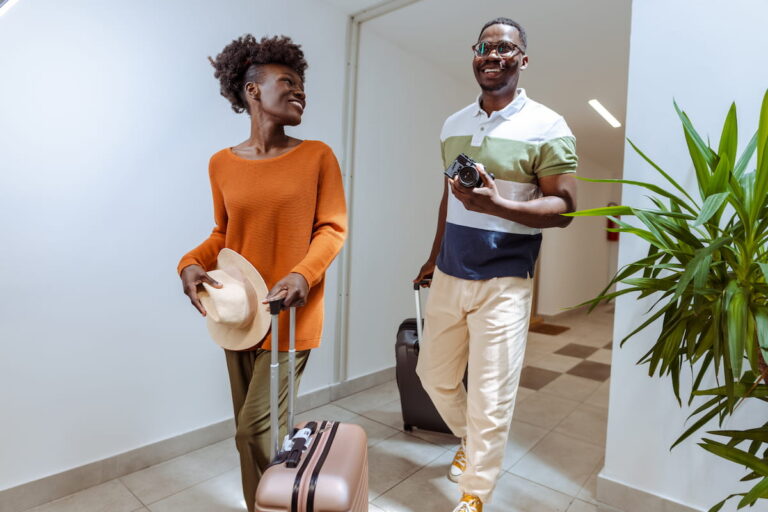
In the final week of August, reports emerged from Hong Kong that a 33-year-old man had experienced a coronavirus reinfection. It appears that he had a mild case of COVID-19, the disease caused by the virus, in March of 2020, and was reinfected in August while traveling in Europe. Genetic samples of both infections showed that each had been different strains, the second circulating in Europe over the summer.
Most common colds are caused by coronaviruses, and these frequently cause reinfection. While some virologists hoped that this current novel coronavirus would provide a year or more of protection like its “cousins” SARS and MERS, that hope may or may not bear fruit.
Following the news from Hong Kong, findings were published from Nevada, Belgium and the Netherlands that reinfections had been identified in those locations as well. The patient in Nevada has apparently been sickened more by his second episode of SARS-CoV-2 (the official name of the virus that causes COVID-19), than his first. While some might wonder if his infection had simply gone dormant and reemerged later, genome sequencing shows that he had indeed been infected with two different strains, just like the patient in Hong Kong.
It has been generally agreed that reinfection with this virus was likely inevitable with so many millions of cases, yet the implications of that hypothesis are still ripe for robust scientific study.
The human immune system consists of cells, tissues and organs that help to fight against foreign invaders. The lymphatic system is made up of nodes in the neck, groin and other areas, as well as lymph vessels and fluid. The job of this crucial system is to dispose of dead cells, bacteria, viruses and other waste through the lymph’s partnership with the circulatory system.
Helper and killer T-cells are specialized immune cells with the job of finding and attacking antigens—foreign substances—and neutralizing them. Specialized B-cells then produce antibodies that help the body to “recognize” a specific invader the next time it tries to make itself at home. This is where immunity to an illness develops, and this is what vaccines often successfully cause the body to develop (e.g.: measles, tetanus, etc).
Viruses and bacteria are known to mutate in order to live on in their hosts for as long as possible. For instance, in terms of bacteria resistant to antibiotics, this means that particular bacteria “learned” to outsmart certain medications, thus future “generations” of that bacteria are no longer affected by the antibiotics that once killed their ancestors.
In SARS-CoV-2, there have been over 4,000 documented mutations of the virus as it attempts to gain more of a foothold in humans. Some mutations of the virus have made it more easily transmissible, yet less lethal, while others have had minimal impact of any kind.
Some mutations can make it difficult for certain individuals’ immune systems to mount a successful response to a COVID-19 infection, and this also makes the development of an effective vaccine or drug to be so challenging. And, to achieve widespread immunity—often referred to as “herd immunity”—we need enough people to either be infected, recover and develop antibodies to the virus, and/or enough people to be vaccinated against it.
How widespread COVID-19 reinfections will eventually be is difficult for experts to say. We know there are ongoing mutations, that a vast majority of COVID-positive patients have mild or no symptoms and many who do get sick recover. What we do not know is how many will become reinfected, what mutations will be involved and what type of immune response various individuals or groups will be capable of.
Blacks are three times more likely to be infected with this virus than white Americans, yet data has yet to emerge regarding African American susceptibility to reinfection. With so little known about this, it will likely be some time before the Black community will know how it will fare in this regard.
Overall, the latest news out of the U.S., Hong Kong and other countries is that reports of COVID-19 reinfections are not cause for alarm, but they are certainly a wake-up call that the fight against this novel coronavirus is far from over.


By subscribing, you consent to receive emails from BlackDoctor.com. You may unsubscribe at any time. Privacy Policy & Terms of Service.