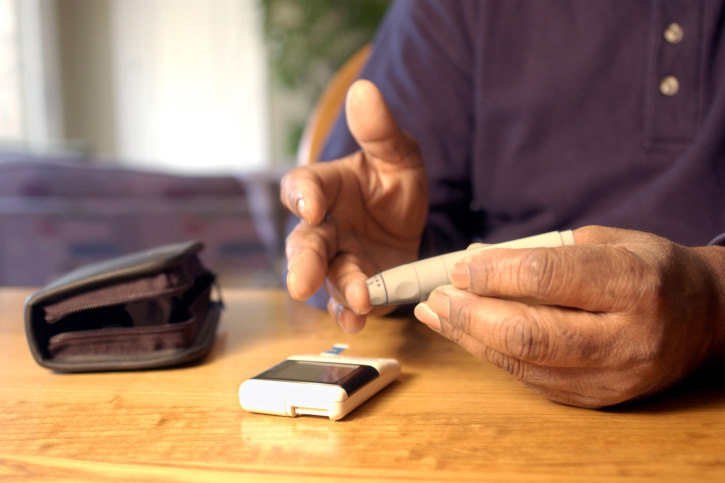
Diabetes is a disease in which blood glucose levels are above normal. People
with diabetes have problems converting food to energy. After a meal, food is
broken down into a sugar called glucose, which is carried by the blood to cells
throughout the body. Cells use the hormone insulin, made in the pancreas, to
help them process blood glucose into energy.
People develop type 2 diabetes because the cells in the muscles, liver, and
fat do not use insulin properly. Eventually, the pancreas cannot make enough
insulin for the body’s needs. As a result, the amount of glucose in the blood
increases while the cells are starved of energy. Over the years, high blood
glucose damages nerves and blood vessels, leading to complications such as heart
disease, stroke, blindness, kidney disease, nerve problems, gum infections, and
amputation.
How can type 2 diabetes be
prevented?
Although people with diabetes can prevent or delay complications by keeping
blood glucose levels close to normal, preventing or delaying the development of
type 2 diabetes in the first place is even better. Preventative measures include
a moderate diet and exercise: A five to seven percent weight loss can delay and
possibly prevent type 2 diabetes.
What are the symptoms to look
for?
Many people actually have no signs or symptoms. Symptoms can also be so mild
that you might not even notice them. More than five million people in the United
States have type 2 diabetes and do not know it. Conversely, sometimes people
have symptoms but do not suspect diabetes. They delay scheduling a checkup
because they do not feel sick. Many people do not find out they have the disease
until they have diabetes complications. It is important to find out as early as
possible if you have diabetes, since treatment can prevent damage to the body
from diabetes.
Typical symptoms, if experienced, can include:
• increased thirst
• increased hunger
• fatigue
• increased
urination, especially at night
• weight loss
• blurred vision
•
sores that do not heal
What are the different types of
diabetes?
The three main kinds of diabetes are type 1, type 2 and gestational
diabetes.
Type 1 Diabetes
Type 1 diabetes, formerly called juvenile diabetes or insulin-dependent
diabetes, is usually first diagnosed in children, teenagers, or young adults. In
this form of diabetes, the beta cells of the pancreas no longer make insulin
because the body’s immune system has attacked and destroyed them. Treatment for
type 1 diabetes includes taking insulin shots or using an insulin pump, making
wise food choices, exercising regularly, taking aspirin daily (for some), and
controlling blood pressure and cholesterol.
Type 2 Diabetes
Type 2 diabetes, formerly called adult-onset or noninsulin-dependent
diabetes, is the most common form of diabetes. People can develop type 2
diabetes at any age, even during childhood. This form of diabetes usually begins
with insulin resistance, a condition in which fat, muscle, and liver cells do
not use insulin properly. At first, the pancreas keeps up with the added demand
by producing more insulin. In time, however, it loses the ability to secrete
enough insulin in response to meals. Being overweight and inactive increases the
chances of developing type 2 diabetes. Treatment includes taking diabetes
medicines, making wise food choices, exercising regularly, taking aspirin daily,
and controlling blood pressure and cholesterol.
Gestational Diabetes
Some women develop gestational diabetes during the late stages of pregnancy.
Although this form of diabetes usually goes away after the baby is born, a woman
who has had it is more likely to develop type 2 diabetes later in life.
Gestational diabetes is caused by the hormones of pregnancy or a shortage of
insulin.
Should I be tested for
diabetes?
Anyone 45 years old or older should consider getting tested for diabetes. If
you are 45 or older and overweight (see BMI chart), it is strongly recommended
that you get tested. If you are younger than 45, overweight, and have one or
more of the risk factors, you should consider testing. Ask your doctor for a
fasting blood glucose test or an oral glucose tolerance test. Your doctor will
tell you if you have normal blood glucose, pre-diabetes, or diabetes.
What does it mean to have
pre-diabetes?
It means you are at risk for getting type 2 diabetes and heart disease. The
good news is if you have pre-diabetes you can reduce the risk of getting
diabetes and even return to normal blood glucose levels. With modest weight loss
and moderate physical activity, you can delay or prevent type 2 diabetes. If
your blood glucose is higher than normal but lower than the diabetes range (what
we now call pre-diabetes), have your blood glucose checked in 1 to 2
years.


By subscribing, you consent to receive emails from BlackDoctor.com. You may unsubscribe at any time. Privacy Policy & Terms of Service.