Whether it manifests as a nagging ache, an acute injury, or a persistent chronic condition, pain is a universal sensation that touches us all at some point. And when pain strikes, we seek relief, often turning to healthcare professionals for guidance and support. However, the journey to find solace in the midst of discomfort isn’t always straightforward, for the Black community. A recent survey among 2,000 Americans conducted by Advil in collaboration with Morehouse School of Medicine revealed a startling statistic: a staggering 83% of individuals have had a negative experience when seeking help to manage their pain. Additionally, 3 out of 4 Black individuals believe there is bias in how pain is diagnosed and treated.
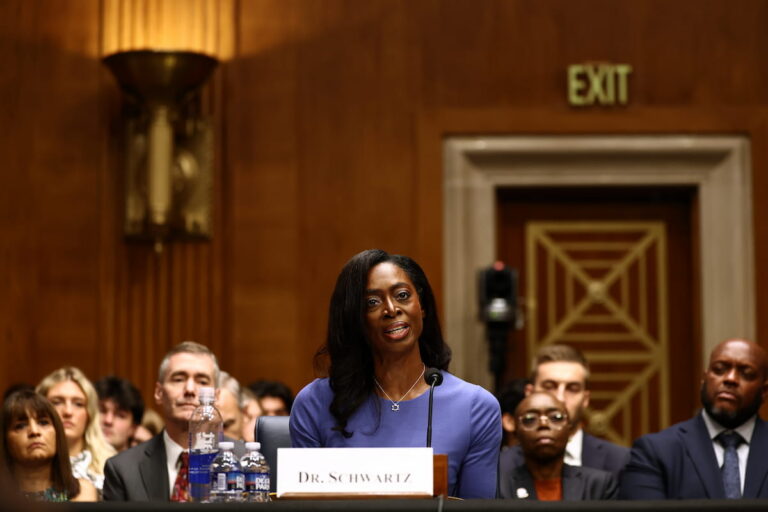
“This negligence and lack of care in the healthcare system is unfortunately too common, and so often brings irrevocable damage to Black patients and their families. To chip away at the inequities the Black community continually faces when fighting for our fair right to better health, we have to be our own sirens until our pain is no longer dismissed,” award-winning journalist and New York Times bestselling author, Elaine Welteroth said in a press release.
Welteroth’s advocacy work and passion for this topic were sparked by her own pregnancy journey with the chronic pelvic condition symphysis pubis dysfunction (SPD) as she sought a birth plan tailored to her unique needs.
“I found it far more difficult than I anticipated to find a doctor that made me feel safe and understood…I feel like many of us, even when we hear the stats around the Black maternal mortality crisis… buy into this myth – this mythical thinking that well if you have a certain network or you have a certain amount of money or you have a certain amount of education that somehow this crisis won’t impact you directly…I had to learn the hard way that this crisis is real for all of us and the system is very broken… It’s going to disproportionately impact people of color and Black folks in particular,” Welteroth tells BlackDoctor.org.
Regrettably, Welteroth encountered challenges in locating a physician to address her complex condition. As time passed, the lack of support from medical professionals led to a growing sense of mistrust, which could have shamed the journalist into silence.
Fortunately, Welteroth had resources and was able to find compassionate, Black midwives who could cater to her needs.
“The care that I received was truly night and day between what I was experiencing in the traditional healthcare system versus what they were offering me. I mean it was like truly night and day and it was a life-changing decision to go with them. I had to overcome a lot of my own conditioning…about going outside of the hospital system and the risks that come with…and the reality is, if you look at the research, the risks of delivering a baby in the hospital system as a Black woman are far more grave… I benefited from that well of knowledge and it really transformed my birth experience,” Welteroth adds.
Although Welteroth chose the midwife route, she clarifies that she isn’t anti-doctor. She simply chose what was best for her. “It helped me see both how broken the healthcare system is but also that there are other options. I was able to see how important agency is and how important it is to be your own advocate and to be the advocate for other people in your community or other loved ones in your family,” she shares.”
Shortly after giving birth to her son in 2022, the author was faced with another challenge: deep vein thrombosis (a condition that occurs when a blood clot forms in one of the deep veins of the body, according to the American Academy of Orthopaedic Surgeons).
Because of her experience with SPD, she immediately knew that she would need to advocate for her safety once more.
Advocacy was a significant factor in ensuring the well-being and survival of Welteroth and her son. However, she acknowledges that she has had access to alternative treatments that many Black Americans either lack access to or remain unaware of. This realization motivated her to become a vocal advocate for individuals facing disparities in pain management.
RELATED: 7 Things Pregnant Black Women Can Do to Be Heard by Doctors
“…. I have a deeper understanding and deeper well of empathy for the experience of people,” Welteroth says.
Instead of being shamed into silence, the 36-year-old hopes the disheartening statistics will help others experiencing medical gaslighting see that they have options and resources as well.
“…This is not all doom and gloom. This is not all fear-based. I don’t want people to hear these stats – to hear these incredibly sad stories of people who have experienced unthinkable negligence at the hands of healthcare providers…and just stop there and be scarred for life. I think the goal is to empower people with tools and resources and support so that if you find yourself in this position, you’ll know how to navigate this. At the same time, we have to solve this problem – we have to do it together,” she says.
Part of that work includes Welteroth’s collaboration with Advil’s “Believe My Pain” inaugural storytelling campaign, which is part of its Pain Equity Project.
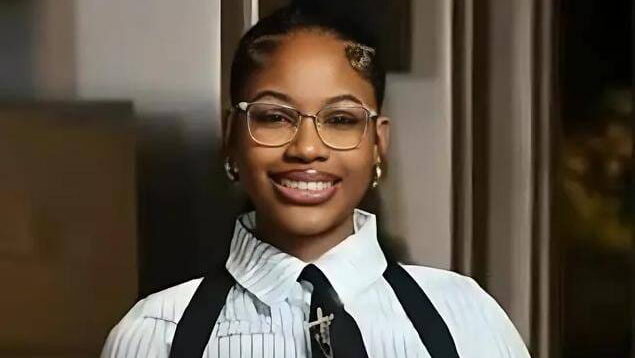
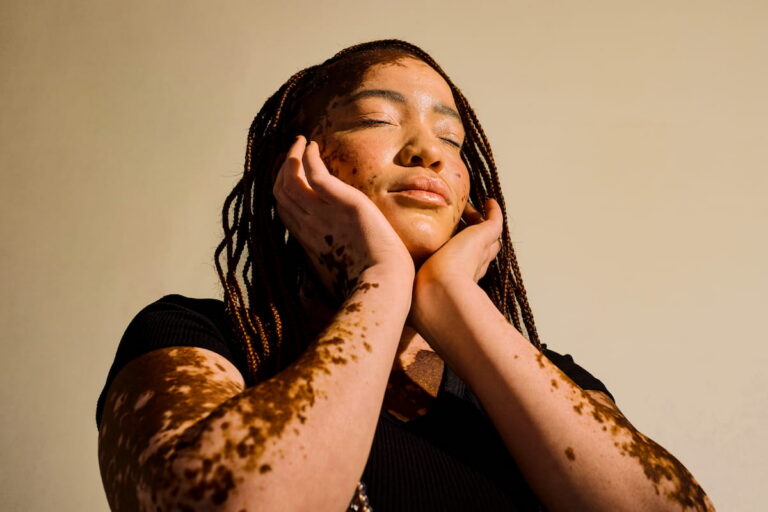
“One of the key components of this campaign is sharing stories from the Black community from people who look like us – who experienced pain inequity first-hand. I think putting faces and voices to this issue has the power to change hearts and minds. It’s really compelling to hear some of the same themes emerge from all of these very different people with very different conditions,” Welteroth shares.
The Advil Pain Equity Project, BLKHLTH and the Morehouse School of Medicine are currently working to develop stronger processes to train medical students with less bias and increase patient self-advocacy.
If you are dealing with dismissive doctors or having your pain dismissed, the following tips may help:

By subscribing, you consent to receive emails from BlackDoctor.com. You may unsubscribe at any time. Privacy Policy & Terms of Service.