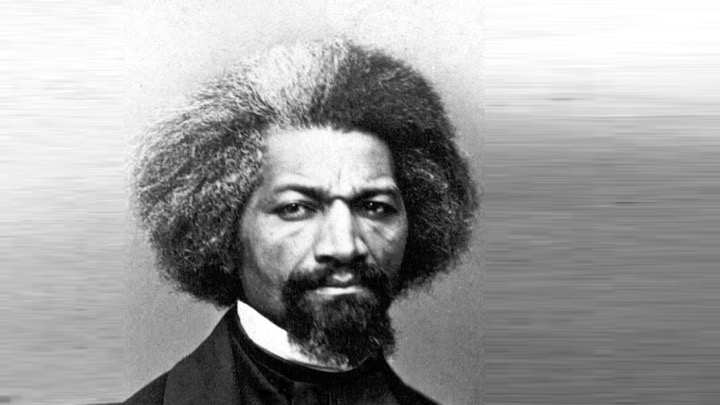
Frederick Douglass was a former slave who became one of the great American anti-slavery leaders of the 1800s. Douglass was born into slavery in Maryland but he knew it wasn’t God’s plan for him to stay there.
When Frederick was about 10, he was given to Anthony’s daughter, Lucretia Auld. She and her husband Thomas sent Douglass to serve his brother, Hugh, in Baltimore, where he learned to read while working as a house slave. In 1833, after Thomas and Hugh got in a dispute, Thomas took back the slaves. Douglass returned to Thomas’s estate the same year and resumed work as a field hand.
Thomas was a cruel master, starving and beating his slaves and breaking up their attempts to worship, read and write. He leased Douglass out to other masters who attempted to break his independent spirit with physical and emotional abuse. Eventually, Douglass returned to Hugh in Baltimore, fell in love and started a family. This increased his hatred of slavery and in 1838, at the age of 20, armed with fake papers, a sailor-suit disguise and hope for the future, he escaped to the free North with the help of Anna Murray, the free black woman from Baltimore with whom he had fallen in love. They ended up in Rochester, New York.
As a free man, Douglass couldn’t forget the people he’d left behind in Maryland. He became involved in the abolitionist cause, started publishing his own abolitionist newspaper, The North Star.
A few years later he went to work for abolitionist William Lloyd Garrison, traveling and speaking on behalf of Garrison’s paper The Liberator. Douglass published his memoir Narrative of the Life of Frederick Douglass, an American Slave in 1845. Eloquent, smart and determined, Douglass gained fame as a speaker and became a ‘conductor’ on the Underground Railroad. In later years he became a personal friend of Abraham Lincoln and helped persuade Lincoln to issue the Emancipation Proclamation. He also was a strong supporter of women’s rights. He is often described as the founder of the American civil rights movement.
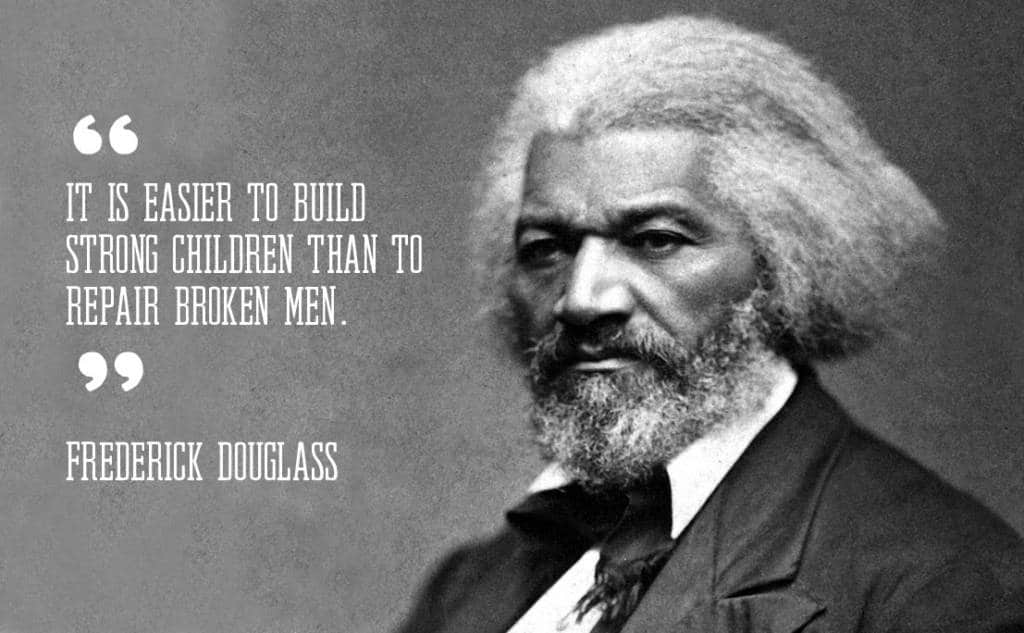
On February 20, 1895, after attending a meeting for the National Council of Women in Washington, D.C., Frederick Douglass returned home and died of a massive heart attack.
Unfortunately, over one-hundred years later, heart attack still plagues the Black community.
Blacks and Heart Disease
• 50% of Blacks between the ages of 40 and 59 years of age have hypertension, while only 30% of Whites in the same age group suffer from the ailment.
• The prevalence rate of congestive heart failure is 2% among Blacks and Whites; however, among those 60 years and older, the rate is 9% among Blacks and 6% among Whites.
• The overall prevalence of stroke is higher among Blacks than Whites. Among those who are 60 years or older, 11% of Blacks and only 7% of whites report having had a stroke.
• However, the prevalence of high total cholesterol is lower for Blacks than Whites (13% and 19%, respectively).
What Is a Heart Attack?
A heart attack occurs when the supply of blood and oxygen to an area of heart muscle is blocked, usually by a clot in a coronary artery. Often, this blockage leads to arrhythmias (irregular heartbeat or rhythm) that cause a severe decrease in the pumping function of the heart and may bring about sudden death. If the blockage is not treated within a few hours, the affected heart muscle will die and be replaced by scar tissue.
A heart attack is a life-threatening event. Everyone should know the warning signs of a heart attack and how to get emergency help. Many people suffer permanent damage to their hearts or die because they do not get help immediately.
What Are the Signs and Symptoms of a Heart Attack?
The warning signs and symptoms of a heart attack can include:
• Chest discomfort. Most heart attacks involve discomfort in the center of the chest that lasts for more than a few minutes, or goes away and comes back. The discomfort can feel like uncomfortable pressure, squeezing, fullness, or pain. Heart attack pain can sometimes feel like indigestion or heartburn.
• Discomfort in other areas of the upper body. Can include pain, discomfort, or numbness in one or both arms, the back, neck, jaw, or stomach.
• Shortness of breath. Often comes along with chest discomfort. But it also can occur before…
…chest discomfort.
• Other symptoms. May include breaking out in a cold sweat, having nausea and vomiting, or feeling light-headed or dizzy.
Signs and symptoms vary from person to person. In fact, if you have a second heart attack, your symptoms may not be the same as for the first heart attack. Some people have no symptoms. This is called a “silent” heart attack.
The symptoms of angina can be similar to those of a heart attack. If you have angina and notice a change or a worsening of your symptoms, talk with your doctor right away.
Know the warning signs of a heart attack so you can act fast to get treatment. Many heart attack victims wait 2 hours or more after their symptoms begin before they seek medical help. This delay can result in death or lasting heart damage.
If you think you may be having a heart attack, or if your angina pain does not go away as usual when you take your angina medicine as directed, call 9-1-1 for help. You can begin to receive life-saving treatment in the ambulance on the way to an emergency room.
How Can a Heart Attack be Prevented?
Most heart attacks are caused by coronary artery disease (CAD). You can help prevent a heart attack by knowing about your risk factors for CAD and heart attack and taking action to lower your risks.
You can lower your risk of having a heart attack, even if you have already had a heart attack or are told that your chances of having a heart attack are high.
To prevent a heart attack, you will most likely need to make lifestyle changes. You may also need to get treatment for conditions that raise your risk.
Make Lifestyle Changes
You can lower your risk for CAD and a heart attack by making healthy lifestyle choices:
• Eat a healthy diet to prevent or reduce high blood pressure and high blood cholesterol, and maintain a healthy weight
• If you smoke, quit
• Exercise as directed by your doctor
• Lose weight if you are overweight or obese
Now that you have the scoop on heart disease, let’s use this knowledge to empower ourselves to make this Black History Month the healthiest month of the year!
By


By subscribing, you consent to receive emails from BlackDoctor.com. You may unsubscribe at any time. Privacy Policy & Terms of Service.