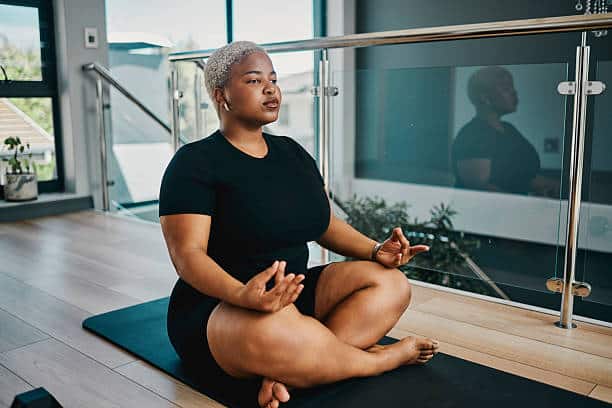
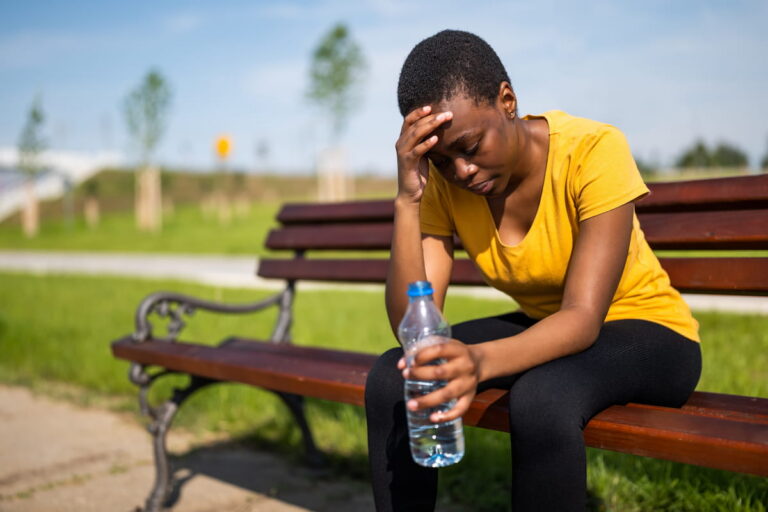
What is mental health? Mental health is a state of emotional, psychological, and social well-being, influencing how we think, feel, and act, affecting stress management, relationships, and choices. According to Doctor on Demand, “emotional and mental health is important because it’s a vital part of your life and impacts your thoughts, behaviors and emotions. Being healthy emotionally can promote productivity and effectiveness in activities like work, school or caregiving. It plays an important part in the health of your relationships, and allows you to adapt to changes in your life and cope with adversity.”
What good mental health looks like:
An individual who thinks clearly
An individual who feels capable and confident
An individual who has emotional regulation / manages emotions effectively, and does not avoid them
An individual who maintains healthy and supportive relationships with boundaries
An individual who communicates well
An individual who is generally optimistic / has a positive attitude and outlook on life
An individual who has a realistic sense of self-worth, appreciates strengths, and accepts his/her imperfections
Having an inability to perform daily tasks(managing responsibilities, struggling with basic self-care, etc.)
Experiencing severe mood swings (uncontrollable highs and lows)
Detachment from reality
Intense sadness
Excessive fear, guilt or worry
Paranoia or suspiciousness
Confused thinking
Recognizing changes in behavior, thoughts, patterns and emotions is essential for identifying mental health concerns early. It’s not unusual that subtle changes become more severe later on. Here are some early warning signs and symptoms of mental health when challenged:
Feeling hopeless or helpless
Feeling numb to the world or like nothing at all matters
Hearing voices or believing things that are simply not true
Thinking of harming yourself or others
Pulling away from people(family, friends, associates)
Pulling away from usual activities that you had a great interest in
Having little or no energy
Drinking, smoking, or using drugs more than usual
Sleep disturbances(insomnia, difficulty staying asleep, or oversleeping)
Appetite changes(increase or decrease in eating meals)
When we think about improving our mental health, therapy is typically the very first solution that comes to mind–yet, therapy is not the only method available to support mental well-being. What if I told you that exercise is actually a very powerful and effective tool to support mental health/well-being?
Keep this in mind, engaging in physical activity serves as a practical mental health resource for communities unable to access traditional therapy—it’s not a substitute for professional therapy, but a crucial support where access to mental health care is super limited or inaccessible. In this article, we’ll expand the definition of “mental health care.”
For many individuals, structural barriers can make traditional therapy difficult or sometimes even impossible to access.
Structural barriers make traditional therapy unavailable for many:
Cost / limited or lack of insurance – out-of-pocket costs make ongoing therapy unattainable
Cultural barriers – not having access to culturally competent healthcare providers can be discouraging and may deter individuals from seeking further therapy
Stigma and systemic bias – discrimination and mistrust in the healthcare system can deter individuals from accessing therapy
Geographic barriers – long travel distances and limited transportation
Mental health is closely linked to physical health. According to UCLA Health, “A new study suggests moderate exercise is not just good for your body but improves mental health as well…after analyzing the results, researchers concluded that three to five 45-minute exercise sessions a week delivered optimal mental health benefits.” Exercise can be used as a meaningful tool to improve your mental health, helping to reduce stress, support emotional regulation, elevate mood, and create a sense of routine and empowerment in daily life.
Reduces stress and anxiety – engaging in physical exercise lowers the stress hormone (cortisol) and helps release built-up tension throughout the body, thus making it easier to feel calm, grounded and balanced.
Boosts mood-regulating chemicals through physical exercise boosts the levels of endorphins, serotonin, and dopamine, which aid in reducing/alleviating stress, improving mood, and fostering an overall sense of well-being.
Provides emotional regulation and coping – exercise can serve as a beneficial release for feelings of sadness, frustration, being overwhelmed, and help one process emotions more effectively.
Enhances confidence and self-esteem – as an individual accomplishes movement goals–no matter how big or small, can foster accomplishment, self-trust and confidence.
Supports brain health and focus – exercise improves blood flow to the brain, supports neuroplasticity, improves focus, improves memory, and decision-making abilities.
Encourages routine and structured activities – having a regular exercise routine creates stability, which can be helpful in times of stress and uncertainty.
Exercise is more than a physical activity or habit. Exercise is a legitimate, evidence-based mental health support and practical resource to use in everyday life. Exercise meets you where you are. Use it to improve your mental health.
Here are some other (no therapy required) alternatives for those with limited access to therapy:
Community spaces like recreational centers, community libraries, etc., usually offer year-round activities and workshops that promote fitness and well-being.
Mindfulness and meditation practices are known to support stress reduction, self-awareness and emotional regulation. Some examples of practices include focused breathing, body scan meditation, walking meditation and sitting meditation.
Journaling and expressive writing help one to process emotions, clarify thoughts and reduce the mental overload that an individual may be experiencing.
Guided self-help resources like workbooks, mental health apps, podcasts, etc., help to build one’s coping skills independently and thoroughly.
Faith-based resources like churches usually offer emotional support at no cost.
Peer support groups are great when you’re seeking a shared understanding/individuals who are experiencing similar challenges.
If you or someone you know is struggling with mental health and is seeking professional help, use our free doctor search. We have a long list of culturally competent doctors who are willing to help you.
BlackDoctor is the world’s largest and most comprehensive online health resource specifically for the Black community. BlackDoctor understands that the uniqueness of Black culture - our heritage and our traditions - plays a role in our health. BlackDoctor gives you access to innovative new approaches to the health information you need in everyday language so you can break through the disparities, gain control and live your life to its fullest.
✦ AI Search Disclaimer This AI-powered search tool helps you find relevant health articles from the BlackDoctor.org archive. Please keep the following in mind:
✦ For Informational Purposes Only The information provided through this AI search is for general educational and informational purposes only. It is not intended as a substitute for professional medical advice, diagnosis, or treatment.
✦ Always Consult a Healthcare Provider Never disregard professional medical advice or delay seeking it because of something you have read through this search tool. If you have a medical emergency, call your doctor or 911 immediately.
✦ AI Limitations This search tool uses artificial intelligence to help match your queries with articles in our archive. While we strive for accuracy, AI-generated results may occasionally be incomplete, outdated, or not fully relevant to your specific situation.
✦ No Doctor-Patient Relationship Using this search tool does not create a doctor-patient relationship between you and BlackDoctor.org or any healthcare provider.
Explore over 35,000 articles and videos across black health, wellness, lifestyle and culture