
High blood pressure, or hypertension, affects millions of Black men and women, boys and girls, every single day.
And in many cases, they may not even realize it.
Whether it’s severely high and difficult-to-manage, or less noticeable – a la “the silent killer” – hypertension will only get worse with time. That is, if it’s left untreated.
So how is it treated? Surely, we’ve all heard of certain medications, and if you’re one to eat processed foods or load your meals with salt, you’re probably well aware that excess sodium is a major culprit, too. In fact, what you eat may play the single most significant role in maintaining your blood pressure. More so than even intense stress and genetics.
Therefore, the question is: what can be done? If you’re someone who loves food (who doesn’t?), the thought of removing salt can leave you feeling, well, a little salty. After all, who wants bland meals, uninspiring dishes, and daily eating patterns that are boring and tasteless?
But that’s where you’re wrong. The DASH diet (Dietary Approaches to Stop Hypertension) allows plenty of room for amazing, nutritious, and delicious dishes and meals, every single day. And in some cases, regular consumption of DASH meals can lower your systolic blood pressure by up to 14 mmHg!
Ready to honor your cultural roots, preserve those awesome flavors, and pack your meals with the nutrients you need?
It’s easier than you think.
RELATED: 7 Everyday Habits That May Be Raising Your Blood Pressure
We don’t need to lie about it. We all succumb to busy schedules, fatigue, stress, and the temptations of ‘convenience’ from time to time. From there, processed foods, canned beans, smoked meats, and even supposedly healthy frozen dinners become more commonplace.
But did you know many processed items contain 300–600 mg of sodium per serving? Or that labels often hide it under names like sodium chloride or monosodium glutamate? Then, of course, there is the issue of traditional soul food favorites, which sometimes rely on salt pork or heavy seasoning salts passed down through generations.
The problem with all this is simple. Our bodies retain fluid from excess salt, straining blood vessels and raising pressure over time. Fortunately, by reducing your sodium intake to 1,500–2,300 mg daily (about ¾ teaspoon or less), you can make a real difference, especially if you’re also eating potassium-rich foods like greens, beans, and bananas that help balance it out.
Remember: kicking salt doesn’t mean bland plates.
Start simply by replacing all that table salt with fresh or dried herbs. Think items like thyme, rosemary, oregano, and parsley, all of which bring earthy, aromatic depth without the sodium. You can even grow a small windowsill herb garden or stock dried versions. The dried versions last months and can absolutely transform everyday meals!
It’s all about building layers. Begin with aromatic bases. One tasty option is to sauté garlic, onions, scallions, ginger, and bell peppers in just a teaspoon of olive oil or a low-sodium broth. When you do this, the ingredients release natural sugars and compounds that create savory “fifth taste,” known as umami.
Not to mention, garlic and onions offer heart-protective antioxidants and anti-inflammatory benefits. Meanwhile, ginger is great for digestion, and bell peppers are rich in vitamin C and add sweetness to balance all those spices.
The best part? You’ll be tapping into cultural roots from West African and Caribbean cooking, filling your home – or at least, your kitchen – with irresistible scents.
Before you eat, layer in some bold spices as well, depending on your preference.
Here are some to consider, and what they deliver:
Not sure where to include these spices? Some good options include collard greens, black-eyed peas, brown rice, and grilled fish and chicken. Whether it’s pepper soups, jollof rice, spiced yams, or other recipes rooted in African culture, these dishes are sure to please the palate – without hurting the body.
Who knew low-sodium cooking could be so simple?
Just remember to read the label carefully. Aim for foods with less than 140 mg of sodium per serving—or “low sodium” territory. Always choose fresh or frozen vegetables over canned, and if you do use canned beans or tomatoes, rinse them thoroughly under cold water to slash their sodium content by up to 40 percent.
Also, wherever possible, opt for no-salt-added versions of broth, tomatoes, and tuna. If you want to make a tasty marinade, avoid adding salt by mixing olive oil, lemon juice, garlic, ginger, smoked paprika, cumin, and fresh herbs. This goes wonderfully with chicken, salmon, or even tofu. Just let it soak for 30 minutes before grilling or baking.
Your taste buds will love it!
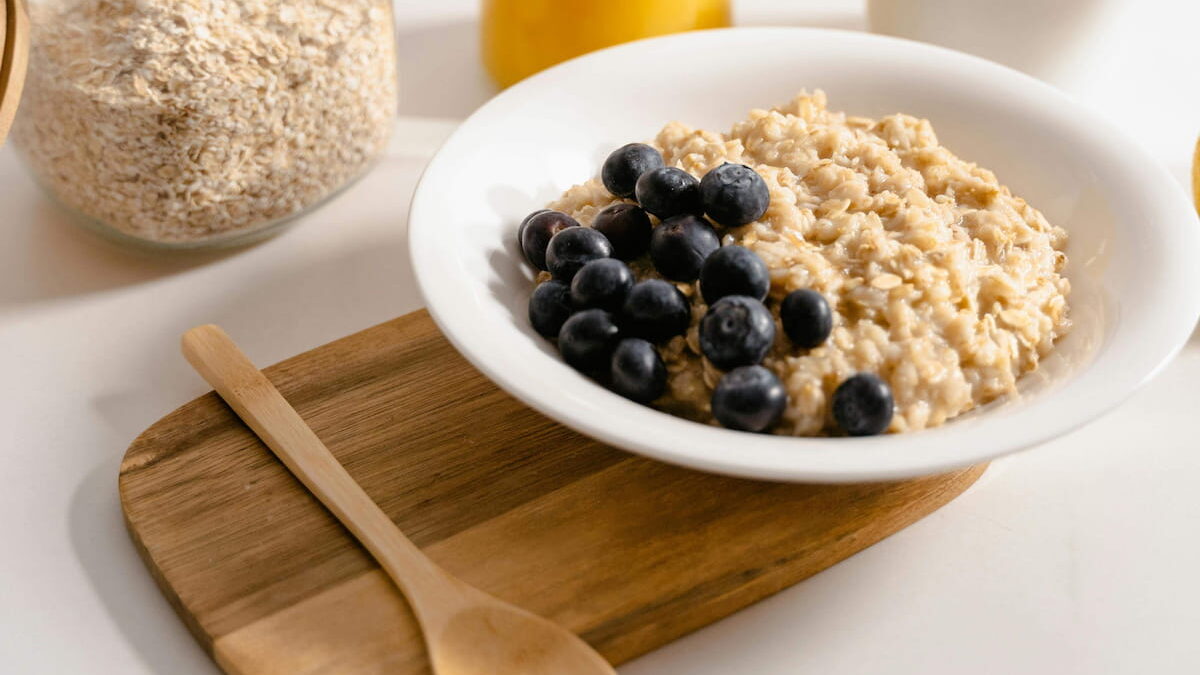
If you want some specific ideas, first remember the rule of thumb. To incorporate DASH principles, use plenty of produce, whole grains, and lean proteins. Half your plate should be vegetables and fruits, a quarter whole grains, and a quarter lean protein.
Try the following for a daily meal plan…
To start, buy some steel-cut oats and cook them in water or low-fat milk. Then, stir in fresh grated ginger, throw in a dash of cinnamon and turmeric, and top it off with your fruit of choice – sliced bananas, berries, or mango. A handful of unsalted chopped nuts finishes it off nicely.
Overall, this meal is potassium-packed, so it’s great for blood sugar control, and the sodium stays low, under 100 mg if you skip any processed toppings. Easy, delicious, and nutritious.
First, take your classic smothered greens (with fresh or frozen collards, kale, or mustard greens). After that, prepare the base by sautéing onions, garlic, scallions, and bell peppers in a small amount of olive oil. Then, add the greens with thyme, oregano, smoked paprika, and a pinch of cayenne. Simmer it all in low-sodium vegetable broth, and for protein, include rinsed, unsalted black-eyed peas or grilled lean turkey.
This pairs well with a small portion of brown rice. It’s a dish rich in fiber and potassium, with sodium under 200 mg per serving. Just make sure you rinse thoroughly before preparing.
Jollof is a one-pot dish with deep roots in West African culinary traditions. It features rice cooked in a spiced, savory tomato-and-pepper broth.
To get this meal going, switch it up a bit. Use brown rice with no-salt-added tomatoes. Your base will include onions, garlic, ginger, and bell peppers. Make sure to season it generously with smoked paprika, cumin, turmeric, thyme, and black pepper. And if you crave heat, add some cayenne for a kick.
Then, stir in some fresh or frozen vegetables. There’s a lot of room for variety here, but most people prefer foods like carrots, peas, and spinach. After that, pair it with grilled chicken or fish. Your marinade for the protein can include lemon, garlic, rosemary, and oregano.
This one-pot dish aligns closely with DASH principles and is rich in vegetables and whole grains. It’s also low in saturated fat, and a top option for keeping your blood pressure under control.
Oh, and if you’re craving dessert? Nothing’s healthier or tastier than a fresh fruit salad with a sprinkle of cinnamon, or a baked sweet potato “pie.” For the pie, use mashed sweet potatoes and add some nutmeg.
See, you can still indulge and keep it good for you.
Because that’s what this is all about. Just because you have hypertension, that doesn’t mean you have to take the fun and taste out of cooking and eating. You can still embrace soul food classics, still pleasure your taste buds, and still eat to satisfaction.
By kicking excess salt and embracing herbs, spices, and fresh aromatics, you’re basically turning into a culinary wizard. Except, no magic required. It’s quite quick and easy once you get the hang of it, and you’ll feel more empowered over your nutrition than ever before.
Your body, mind, and soul will thank you!


By subscribing, you consent to receive emails from BlackDoctor.com. You may unsubscribe at any time. Privacy Policy & Terms of Service.