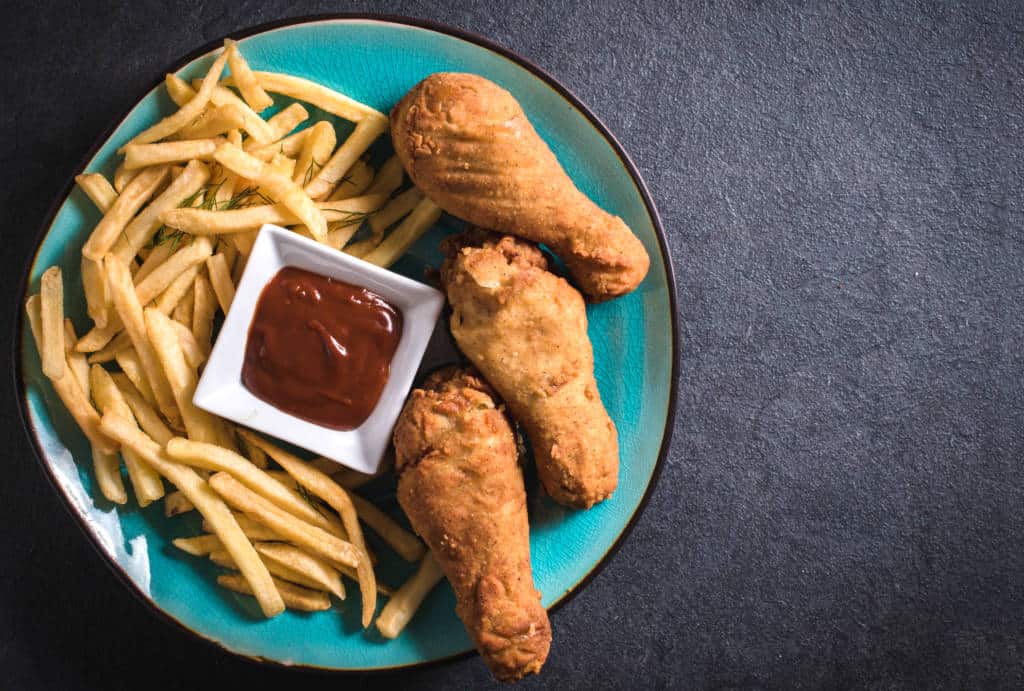
Ten. That’s it. Just 10 foods account for nearly half of all heart disease deaths in the U.S., researchers reported this week.
If people ate less of these foods and ate more nuts, fruits and vegetables, they could greatly lower their own risk of heart disease, the National Institute of Health says.
In 2012 report in the Journal of the American Medical Association, it stated that “more than 700,000 Americans died of heart disease, stroke or diabetes. “Of these, an estimated 45 percent (318,656 due to heart disease, stroke, and type 2 diabetes) were associated with suboptimal intakes of the 10 dietary factors.”
So what are these bad foods? Take a look…
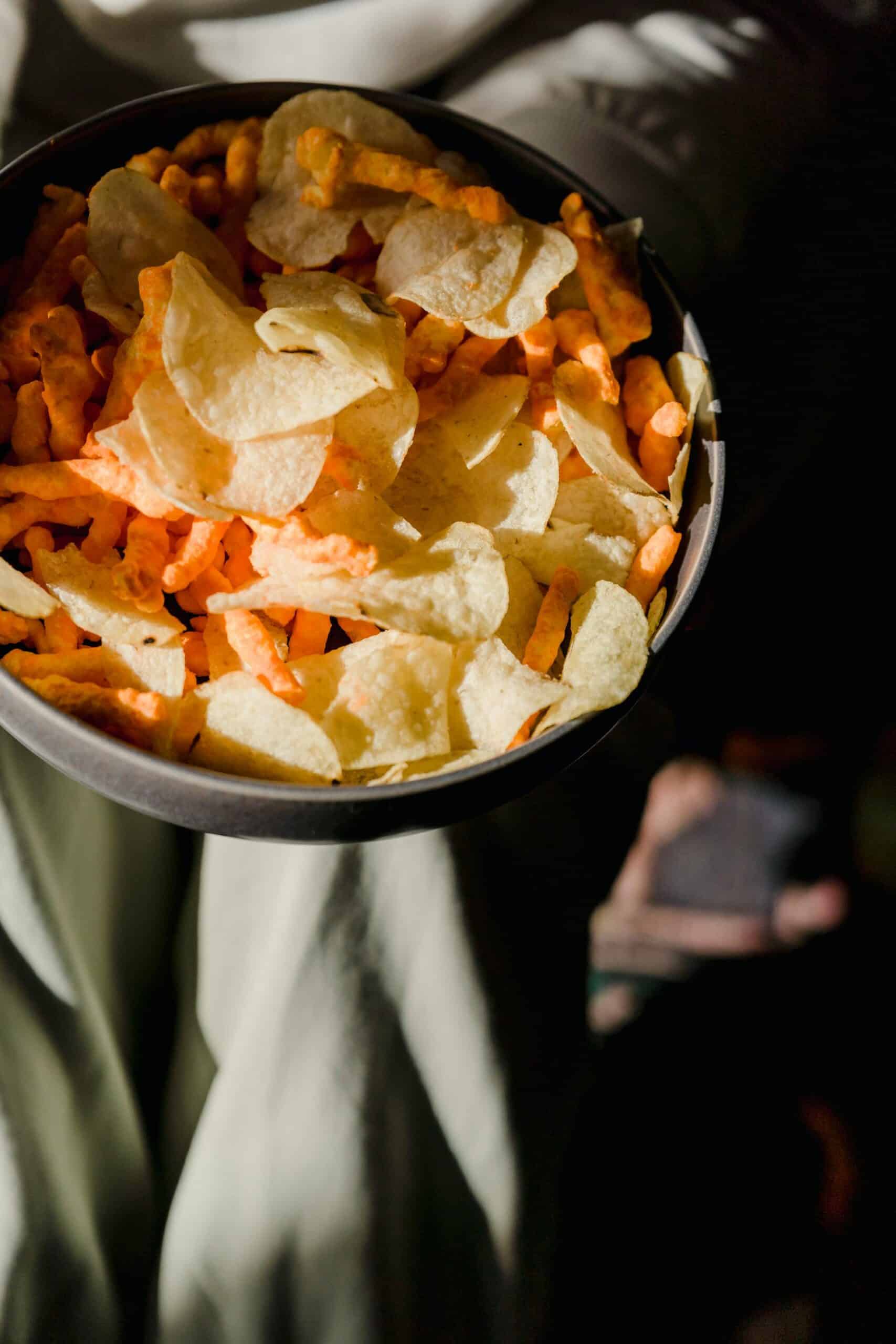
10. Chips
First, consider that the average 1-ounce bag of plain, salted potato chips contains 155 calories, 10.6g of fat (3.1g saturated fat), and 149mg of sodium. Then multiply those numbers by 112: that’s the number of 1-ounce bags that the average American eats in a year. It’s the equivalent of seven pounds of potato chips annually.
Eat this instead:
A great choice instead of potato chips and the fattening dips that go along with it are the dynamic duo of pita and hummus. One pita has under 100 calories and less than one gram of fat. Hummus is an excellent, low-fat, low-cholesterol choice for a dip. And it tastes great.
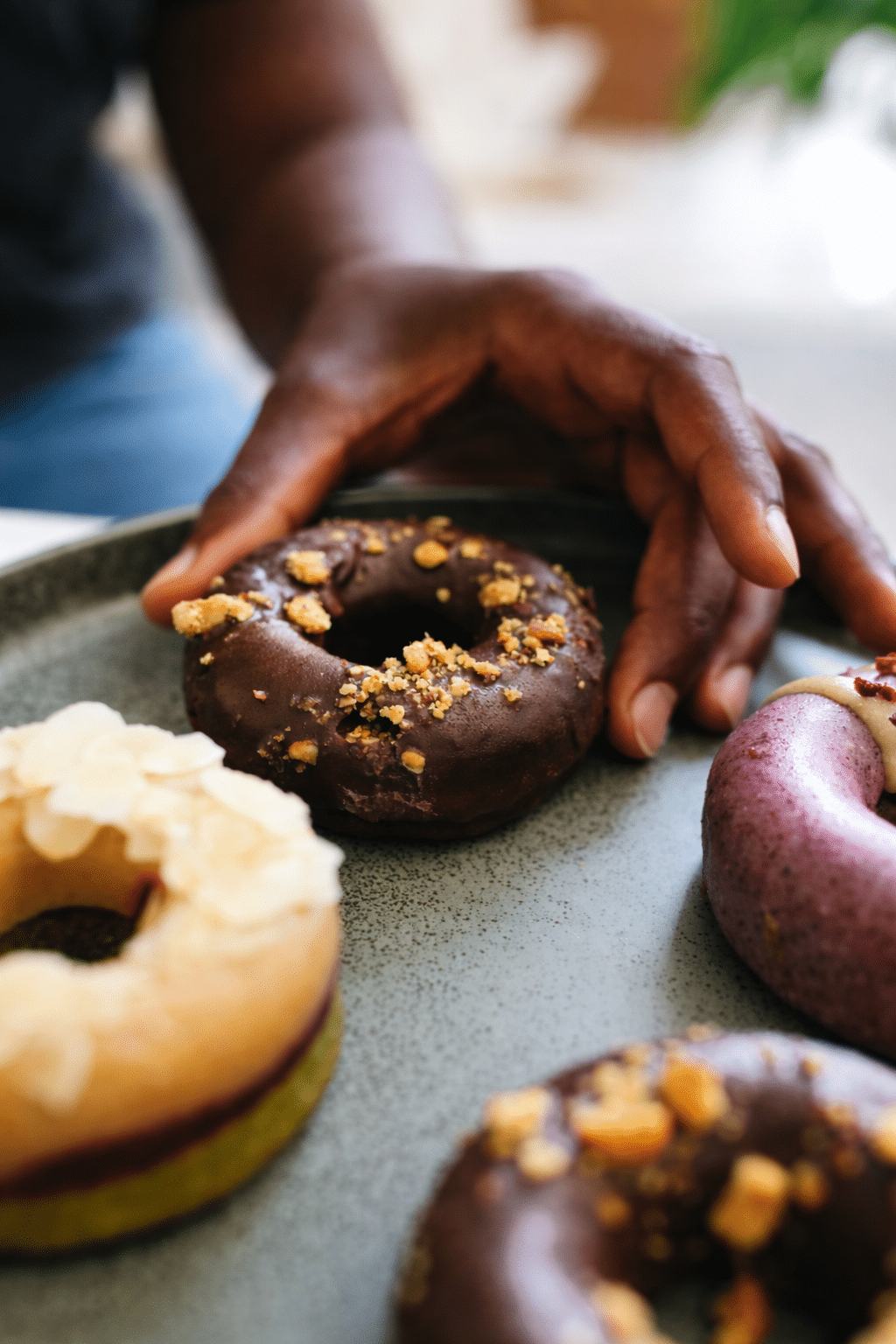
9. Doughnuts
It’s probably no surprise that these breakfast blunders made the list of worst heart foods. However, few people know how terrible can be. Just one Krispy Kreme Creme Filled Chocolate Doughnut is a doozey: 20g of fat (5 saturated), 23g of sugar, and 38g of carbohydrates. It’ll take you an hour to walk off the damage.
Eat this instead:
Reach for instant oatmeal, which has been proven to lower the bad LDL cholesterol and boost your
metabolism. Add some fresh berries for an excellent start to your day.
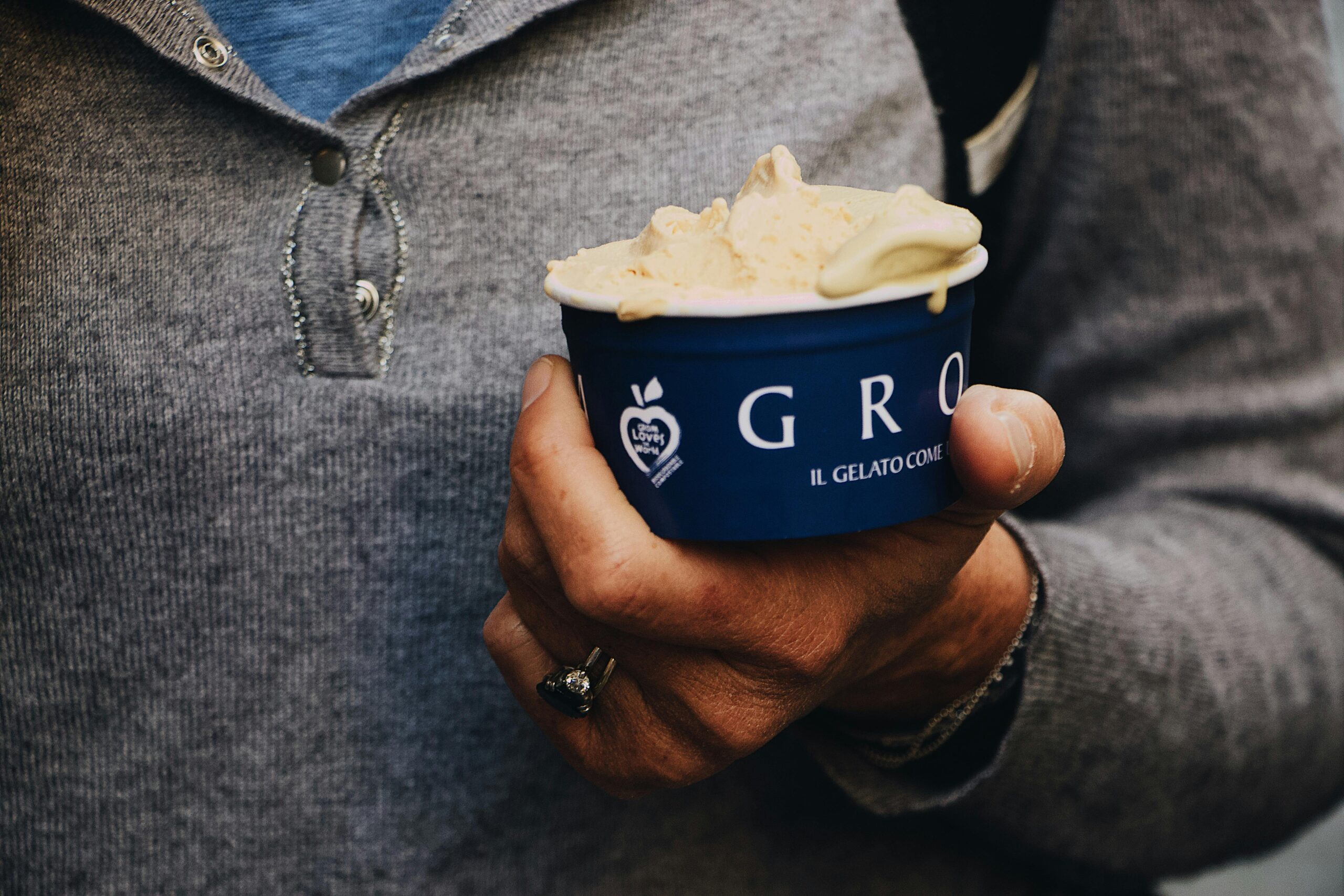
8. Ice cream
As an ice cream lover, this hurt me 🙁 It may evoke memories of your innocent childhood days, but ice cream is anything but innocent. Ben and Jerry’s best-selling flavor, Cherry Garcia, packs 14g of fat (10g saturated), and 22g of sugar for every ½ cup (approximately two scoops).
Eat this instead:
The obvious alternative to ice cream is frozen yogurt. The frozen yogurt version of Cherry Garcia contains half the calories and only 3g of fat (2g saturated).
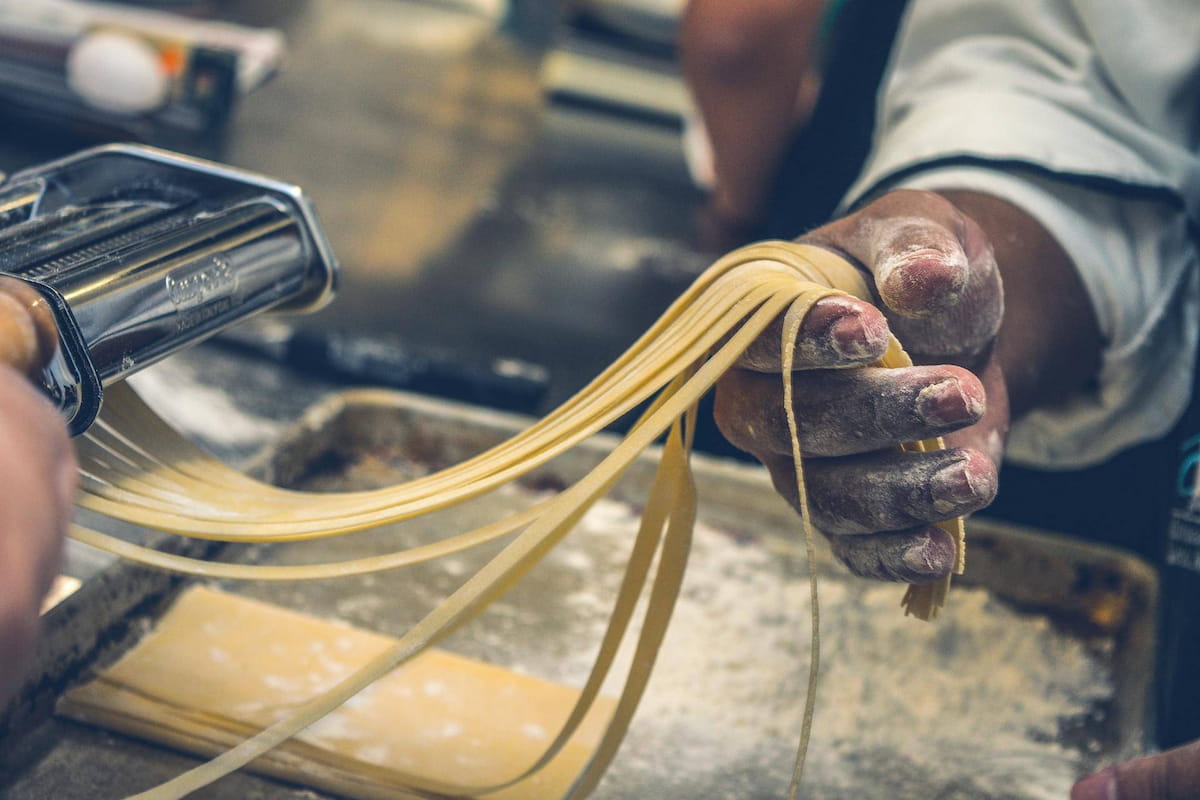
7. Pasta
It’s an Italian classic: spaghetti and meatballs. Mom’s recipe may include a secret ingredient, but the dish served at Romano’s Macaroni Grill has some eye-popping extras: 1,430 calories, 81g of fat and 41g of saturated fat, and 4540mg of sodium.
Eat this instead:
If you have pasta on the brain, try the whole wheat variety. On average, this kind contains only
197 calories, 0.8g fat, and is a great source of fiber. A little marinara sauce won’t put you in a nutritional bind. If you’re in the mood for meatballs, go for ground turkey.
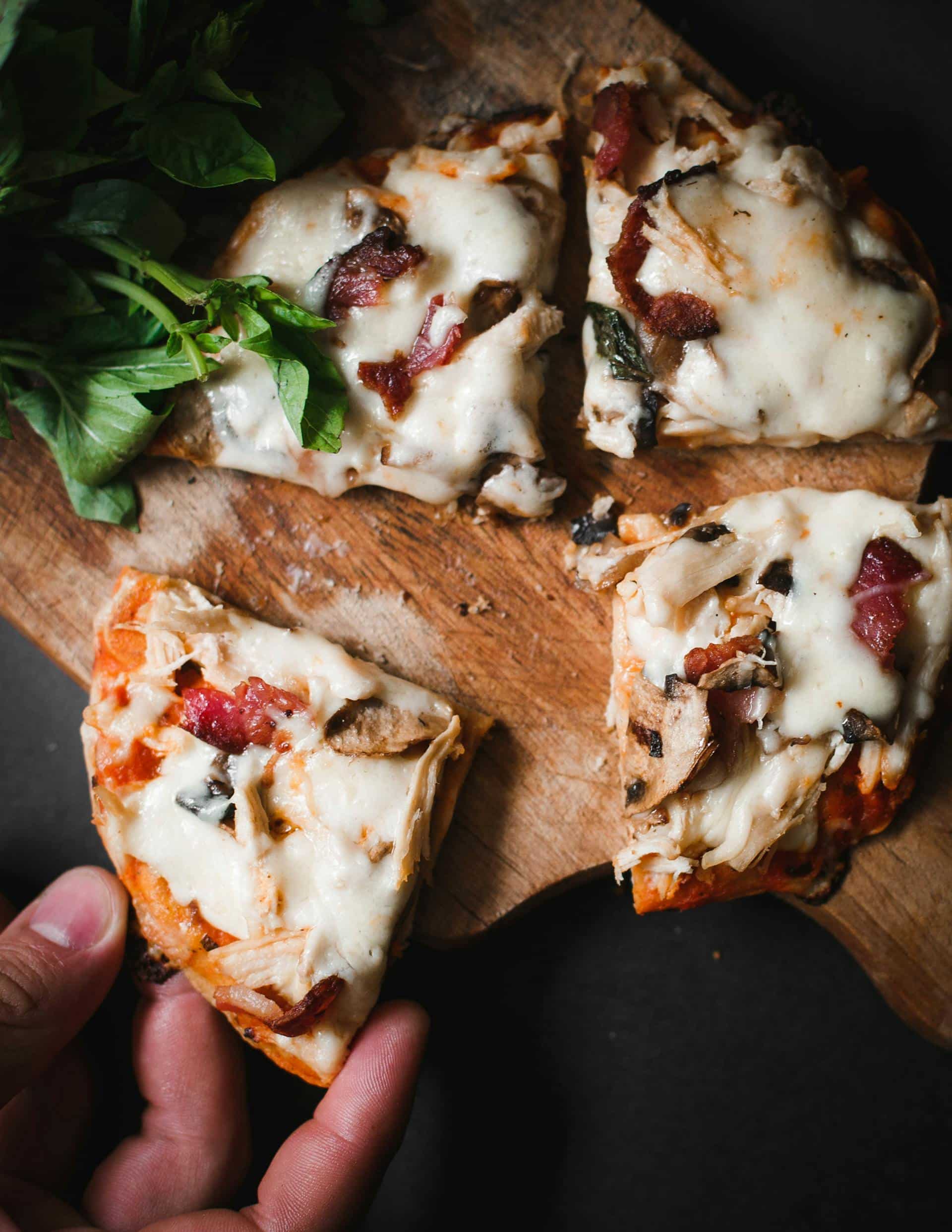
6. Pizza
It’s a convenient, Friday-night delivery essential, but pizza is no friend of your heart. A single plain slice has 9.8g of fat (4.4 saturated fat), and 551mg of sodium. But who just stops at one?
Eat this instead:
Pizza is an easy, do-it-yourself meal. Start with whole wheat dough, English muffins, or pitas, then add sauce and reduced-fat cheese to create a flavorful, healthy alternative your whole family can help make.
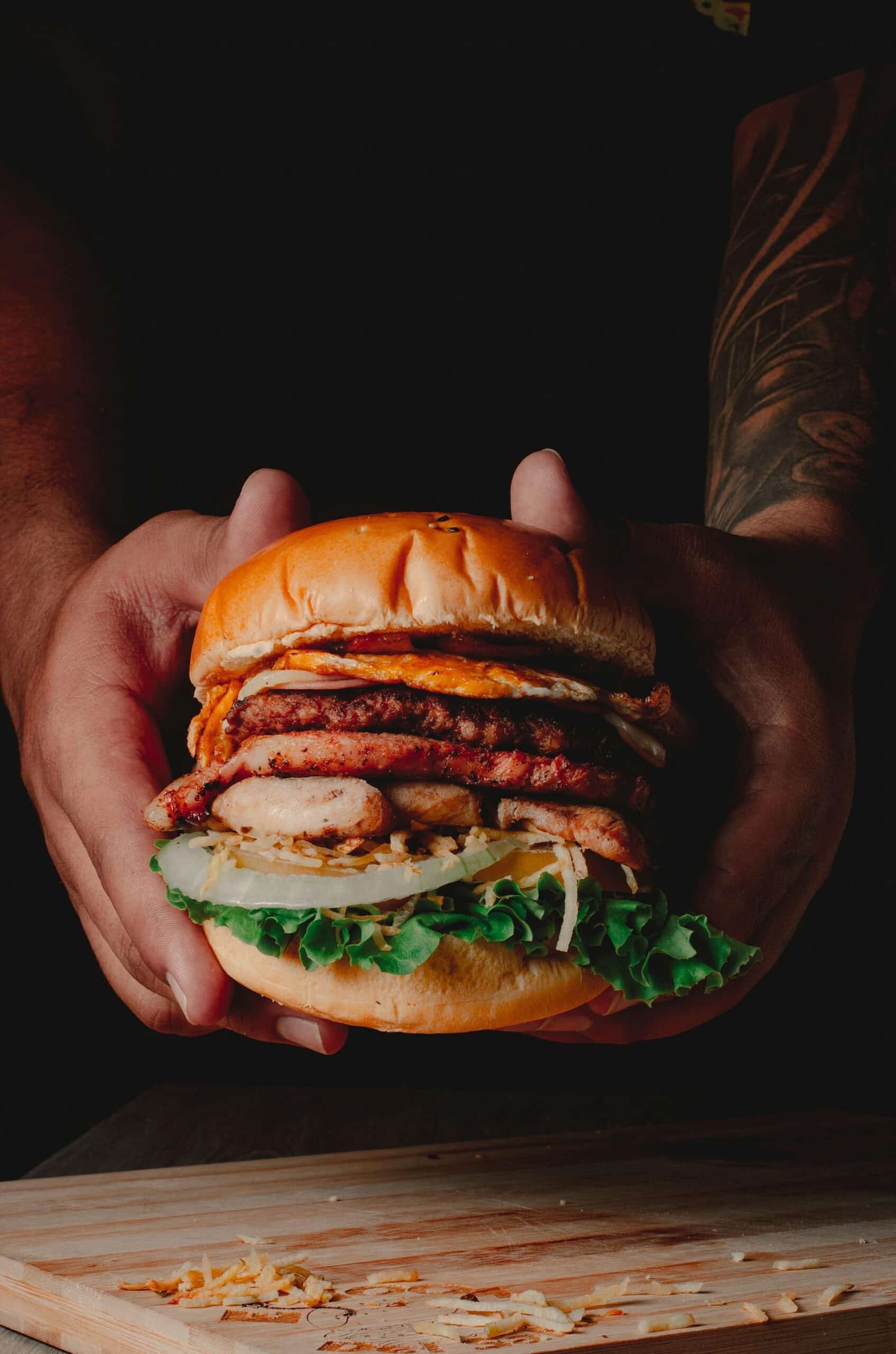
5. Burgers
Choosing the wrong burger can have big repercussions for your heart. McDonald’s famous Big Mac contains 540 calories, 29g of fat, and 1040mg of sodium. Even if you make your hamburgers at home, a three-ounce hamburger made with 80 percent-lean beef still has 14.8g of fat (5.6g saturated fat), and 76mg of cholesterol.
Eat this instead:
The best alternative for ground beef is ground turkey breast. It clocks in at an amazing 120 calories, 1g of
fat (0g saturated), and 28g of protein per four-ounce burger. Add ground pepper, a pinch of cayenne, and a dash of salt to beef up your turkey burger
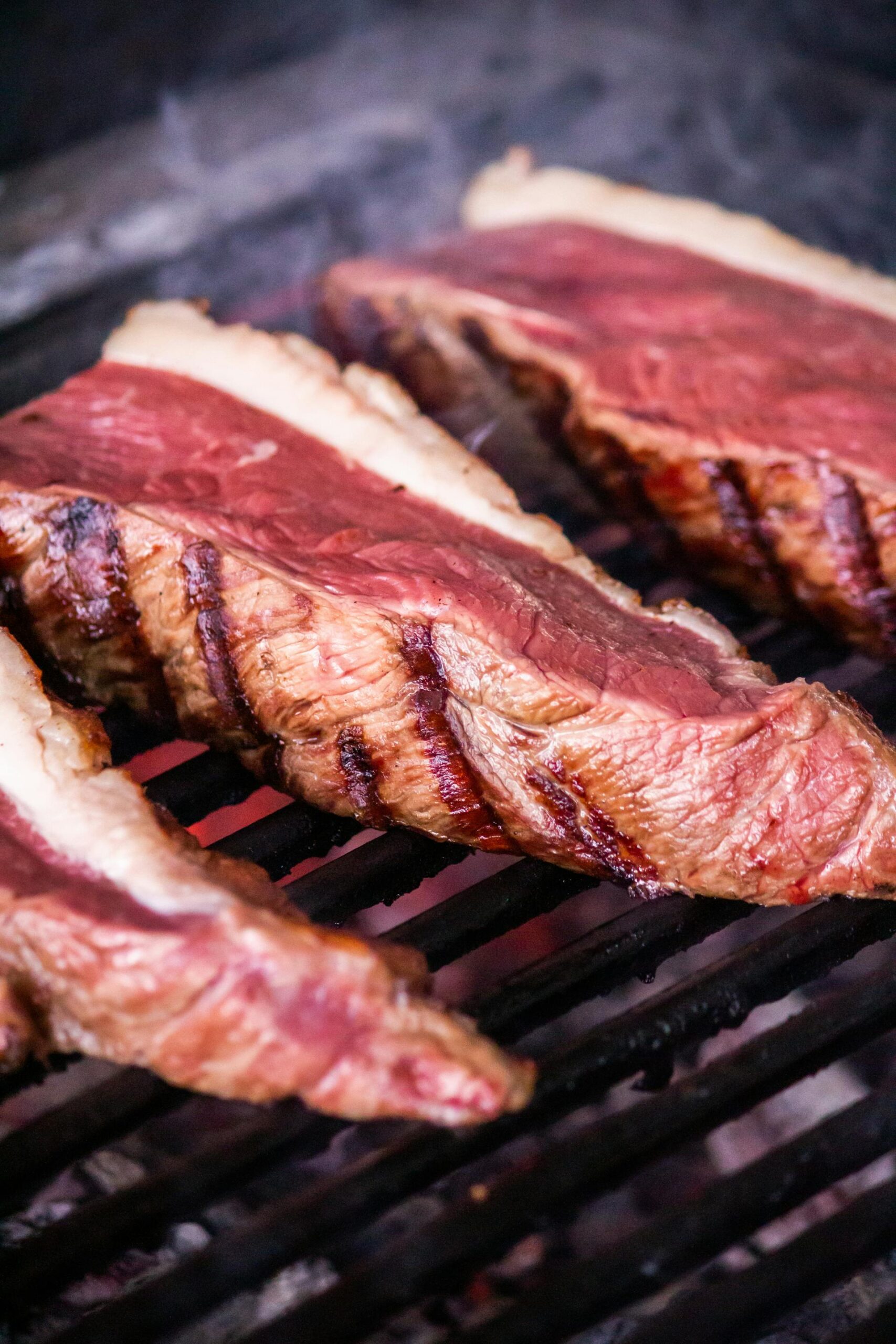
4. Steak
NO! Say it ain’t so! Not steak! Yes, steak. High amounts of saturated fat and cholesterol make red meat, particularly in large quantities, an unhealthy heart choice. A top sirloin cut of beef, raw, can run you 594 calories, 18.5g of fat (6.8g saturated fat), and 191mg of cholesterol. If you pan-fry it, you’ll add even more calories, cholesterol, and grams of fat.
Eat this instead:
Choosing the right cut of beef can prevent a lot of wear and tear on your arteries. The pricey filet mignon will cost you only 6.7g of fat (2.5g saturated fat), and 67mg of cholesterol. Filet mignon out of your price range? A T-bone steak is a less-expensive healthy choice for your red meat cravings.

3. Cheesecake
Let the sweet-toothed beware; most cheesecakes will run up your calorie and fat intake. An especially risky choice is the Cheesecake Factory’s Godiva Chocolate Cheesecake, which packs a whopping
860 calories, 57g of fat, and 80g of carbohydrates per slice. The allure of this indulgence may be strong, but think twice before diving in.
Eat this instead:
If you have a hankering for cheesecake, opt for the plain variety. With 315 calories, 20g of fat, and 25g of carbohydrates, though it’s not a healthy choice, the plain cheesecake is less detrimental to your heart than its chocolaty cousin.

2. Sausages
A staple at tailgate parties and barbecues, sausages can wreak havoc on your arteries. The Johnsonville Original Bratwurst or Italian Sausages contain 22g fat (8g saturated fat), and 810mg of sodium per grilled link.
Eat this instead:
Try smoked turkey sausages. At only 110 calories, 6g of fat (1.5g saturated fat) turkey sausages—though not an
everyday fare—are a better alternative.
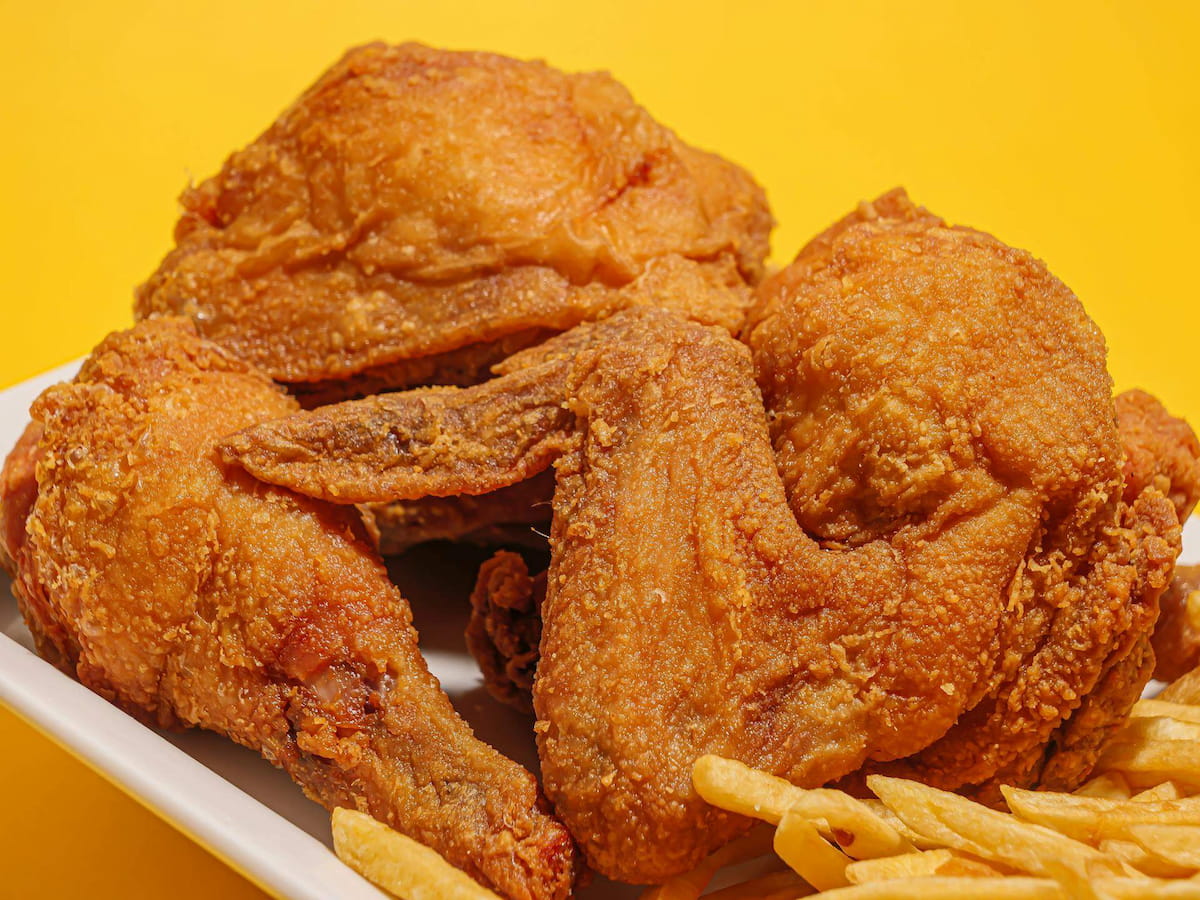
1. Fried chicken
Fried food is a known cholesterol and fat powerhouse, but chicken sounds healthy. Four pieces of KFC’s Original Recipe Chicken comes with 920 calories, 63g of fat, 350mg of cholesterol—and that’s not including the fat-laden sides.
Eat this instead:
A grilled, skinless chicken breast is one of the most nutritional meats you can eat. At 120 calories, 1.5g of fat, and 70mg of cholesterol, a grilled chicken breast can make a tasty substitute for its fried, fat-loaded brethren.
It’s also important to note that in adults under 65, too many sweet drinks and processed meat were the biggest killers. For people over 65, eating too much salt and too few nuts and veggies were the culprits.
Blacks and Hispanics were more strongly affected by the dietary factors than whites, the researchers found — especially when it came to sweet drinks. “Overall, suboptimal diet was associated with 53.1 percent of total estimated cardiometabolic deaths among blacks, 50 percent among Hispanics, and 42.8 percent among whites,” the report stated.
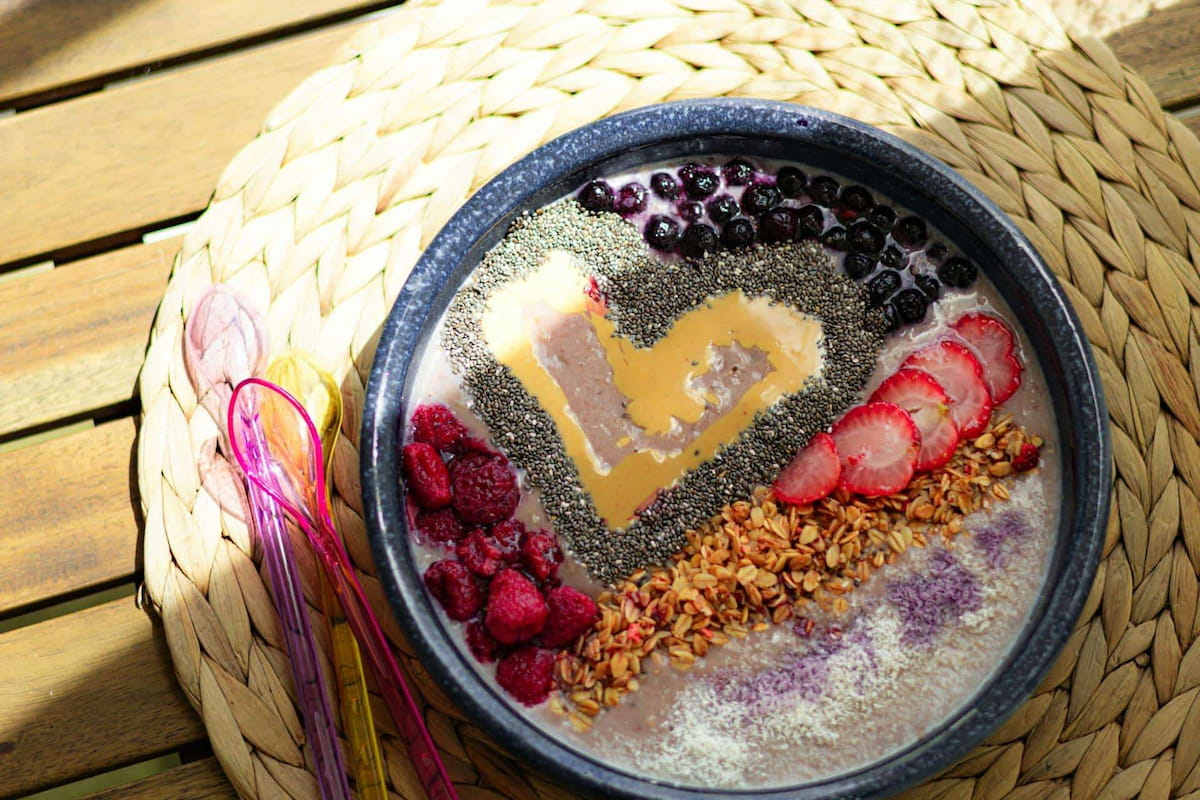
Give your heart a boost and prevent cardiovascular diseases like stroke and heart disease by chowing down on superfoods rich in nutrients, fiber, and healthy fats. Check out the 10 heart-smart picks below.
1. Avocado
Avocado has a well-established reputation for providing the body and heart with healthy fats, antioxidants, and
potassium. So, it’s no surprise that these little green fruit may lower heart disease risk factors, such as cholesterol.
2. Blueberries
According to a 2013 study, women aged 25 to 42 who gobbled up more than three servings of blueberries and strawberries in a week reduced their risk of heart attack by 32 percent when compared to those who consumed less. Researchers credited the benefit to compounds known as anthocyanins (which give berries their color) and flavonoids which may decrease hypertension.
3. Citrus
A 2012 study indicates that women who “consume higher amounts of a compound in citrus fruits, especially oranges and grapefruit, may lower ischemic stroke risk” by 19 percent. Citrus is also high in vitamin C, which has been linked with a lower risk of heart disease.
4. Dark Chocolate
Dark chocolate contains flavonoids called polyphenols, which can reduce the risk of nonfatal heart attacks and stroke. A 2010 study also found that dark chocolate (made up of at least 60-70% cocoa) may reduce blood pressure, clotting and inflammation.
5. Mixed Nuts
Nuts like almonds, walnuts, pistachios, peanuts, and macadamia nuts are an excellent source of
heart-healthy fiber. Also containing vitamin E, adding nuts to your diet may help lower LDL, or “bad” cholesterol.
6. Oatmeal
Oatmeal is high in soluble fiber (beta-glucan), which has been linked to lowering cholesterol as well as boosting the immune system.
7. Pomegranates
Pomegranates contain a plethora of antioxidants, including polyphenols and anthocyanins which help stave off hardening of the arteries. According to a 2005 study, patients with heart disease found that a daily dose of pomegranate juice over three months improved blood flow to the heart.
8. Salmon
Salmon is high in omega-3 fatty acids. Past research shows that these fats can both lower the risk of arrhythmia (irregular heart beat), atherosclerosis (plaque buildup in the arteries) as well as decrease triglycerides (fat around your blood).
9. Soy
Soy products, like tofu and soy milk, allow for the consumption of protein without
unhealthy fats and cholesterol. According to the American Heart Association, soy also contains high levels of polyunsaturated fats, fiber, vitamins and minerals that can reduce LDL, commonly called “bad” cholesterol.
10. Tomatoes
Tomatoes are rich in potassium as well as a good source of the antioxidant lycopene. Lycopene, a “non-provitamin,” is a carotenoid that gives the tomato its reddish hue. It’s also responsible for ridding the body of “bad” cholesterol, keeping blood vessels open and reducing your risk of heart attack.


By subscribing, you consent to receive emails from BlackDoctor.com. You may unsubscribe at any time. Privacy Policy & Terms of Service.