 Photo: Adobe Stock
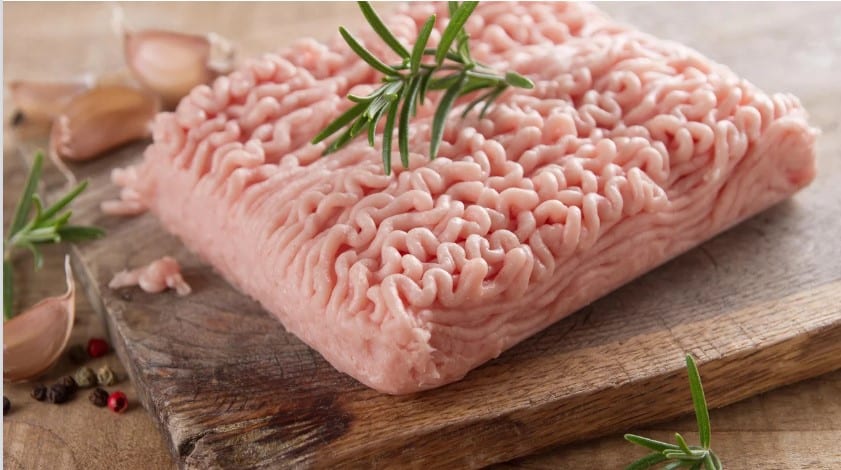
If you were thinking about whipping up some ground chicken for dinner, you may want to think again, or at least take some extra precautions. Nearly one-third of ground chicken may contain dangerous salmonella, a new Consumer Reports investigation shows.
Based on its findings, the group called on the U.S. Department of Agriculture (USDA), which regulates the nation’s meat supply, to redouble its efforts to protect consumers from this bacteria, which can cause serious illness.
“The USDA has pledged to reduce illness from salmonella contamination for more than a decade, but [Consumer Reports’] tests show that more progress is clearly needed to protect the public,” says James Rogers, director of food safety research and testing at Consumer Reports. “We need tougher action by the USDA to keep salmonella out of our kitchens and off of our plates.”
Salmonella was found in 31%, or 23 of the 75, samples of ground chicken that the group tested.
Nine of the 25 products from Perdue had salmonella, researchers found. Samples from Trader Joe’s and Wholesome Pantry, which get their chicken from Perdue, also had salmonella, as did some chicken from Isernio’s, Walmart and Whole Foods, they added.
No one brand stood out as better or worse than another, according to the report, and no difference was found between ground chicken from organic and conventionally raised birds.
Researchers noted that all of the salmonella found was resistant to at least one antibiotic and 78% resistant to several drugs. This could make an infection hard to treat.
Each year, more than 212,000 Americans are sickened with antibiotic-resistant salmonella in food, and 70 die, according to the U.S. Centers for Disease Control and Prevention.
Consumer Reports also found salmonella in some ground beef, pork and turkey that it tested.
It reported that one sample of ground beef contained E. coli O157:H7, a strain considered particularly dangerous because it can harm the intestines and cause potentially fatal kidney damage.
Consumer Reports alerted the USDA earlier this year, leading to a recall of more than 28,000 pounds of meat from grocery chains in seven western states.
The group said the USDA has taken aggressive steps to protect the public from dangerous strains of E. coli but hasn’t taken action to protect consumers from salmonella.
More than 1 million Americans get sick from salmonella each year, about five times as many as do with E. coli. About one-fifth of those cases are from contaminated chicken or turkey.
“The USDA allows far too much chicken contaminated with salmonella on the market and puts the burden on consumers to protect themselves,” says investigative journalist Lisa Gill, who wrote the story reporting the findings. “There are steps we can all take to reduce the risk of getting sick, but that can be harder to do with ground meat.”
Consumer Reports called on the USDA to reduce the percentage of chicken samples allowed to test positive for salmonella. It said the agency should focus on reducing the salmonella strains that pose the biggest threat to human health.
It also said the USDA needs more authority to inspect poultry plants and close facilities immediately when high salmonella rates are found.
To prevent food poisoning in your kitchen:
Consumer Reports also recommends using a meat thermometer:


By subscribing, you consent to receive emails from BlackDoctor.com. You may unsubscribe at any time. Privacy Policy & Terms of Service.