Since the beginning of the year, we have heard the word virus mentioned more times than we care to remember. If you didn’t know any better, you would think the only virus is the one that currently consumes our lives.
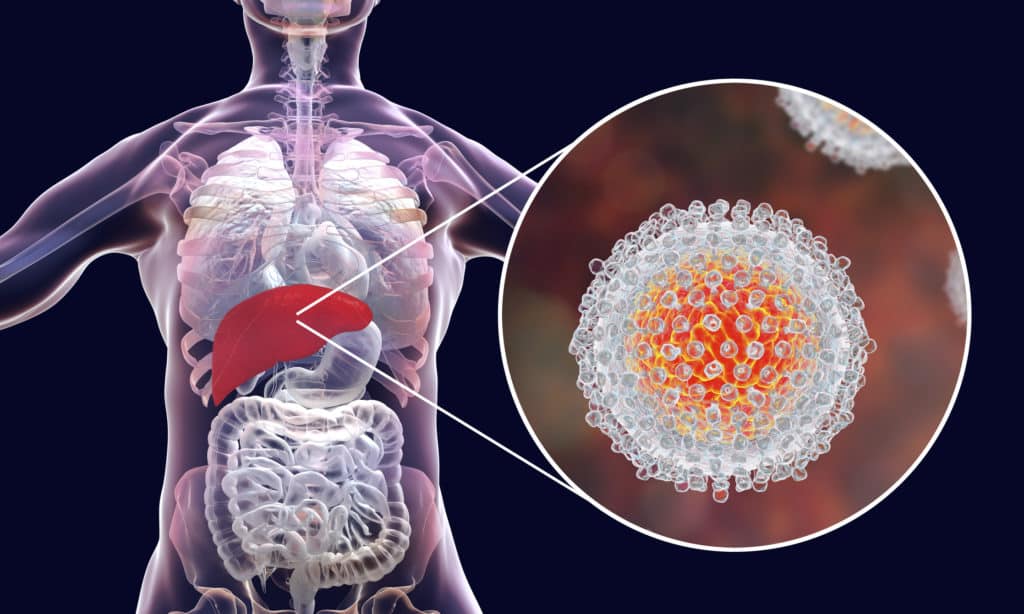
But we do know better, and there is another virus that is rapidly spreading across the globe, but it’s not a swiftly killing virus… it is hepatitis C (HCV). This virus has been described as a ‘viral time bomb’ because of its potential to erupt into a worldwide health crisis. Just what we need!
With the incidences of hepatitis C increasing dramatically since its initial discovery, the World Heath Organization (WHO) and other health agencies believe that this virus has the potential to reached pandemic proportions that are five times as widespread as HIV/AIDS.
“Hepatitis C virus …represents another viral pandemic, one that is five times as widespread as infection with the human immunodeficiency virus type 1 (HIV-1),” explains Georg M. Lauer, M.D. and Bruce D. Walker, M.D. in an article in The New England Journal of Medicine.
The World Health Organization estimates 170 million people, 3% of the world’s population, are infected with hepatitis C. Of those infected, 71 million become chronic (a continuing illness without improvement for at least six months) and are at risk for liver cirrhosis and/or liver cancer.
Once chronic, hepatitis C is responsible for 50 – 76% of all incidences of liver cancer throughout the world and two thirds of the world’s liver transplantation, and the leading reason for liver transplantation in the U.S.
Four million new infections are expected annually with 70 % of them becoming chronic. Approximately 5% of chronic patients will die from the long-term effects of the disease.
A relatively new discovery identified in 1989, hepatitis C is one of five strains in the hepatitis family (A, B, C, D, and E) and is one of the fastest spreading viral diseases. Hepatitis means inflammation of the liver, ‘hepa’ means liver and ‘itis’ means inflammation.
Once infected, the liver cannot properly accommodate bile for digestion and will have difficulty eliminating toxins from the blood stream. Although 80% of the people infected have no symptoms, for those that do, the signs can be abdominal discomfort, nausea and vomiting, fever and fatigue, and with about 25% of patients, jaundice (bile build up in the blood that causes yellowing of the skin and the whites in the eyes) may occur.
Of those exposed to HCV, a little less than half (around 40%) recover completely, but all others, with symptoms or not, will become chronic carriers and 20% of them will develop cirrhosis and 20% of those will acquire liver cancer. People can go decades and not know they carry HCV.
In the United States, with African Americans and Hispanic the infection rate is more common and is in connection with lower education and lower economic status.
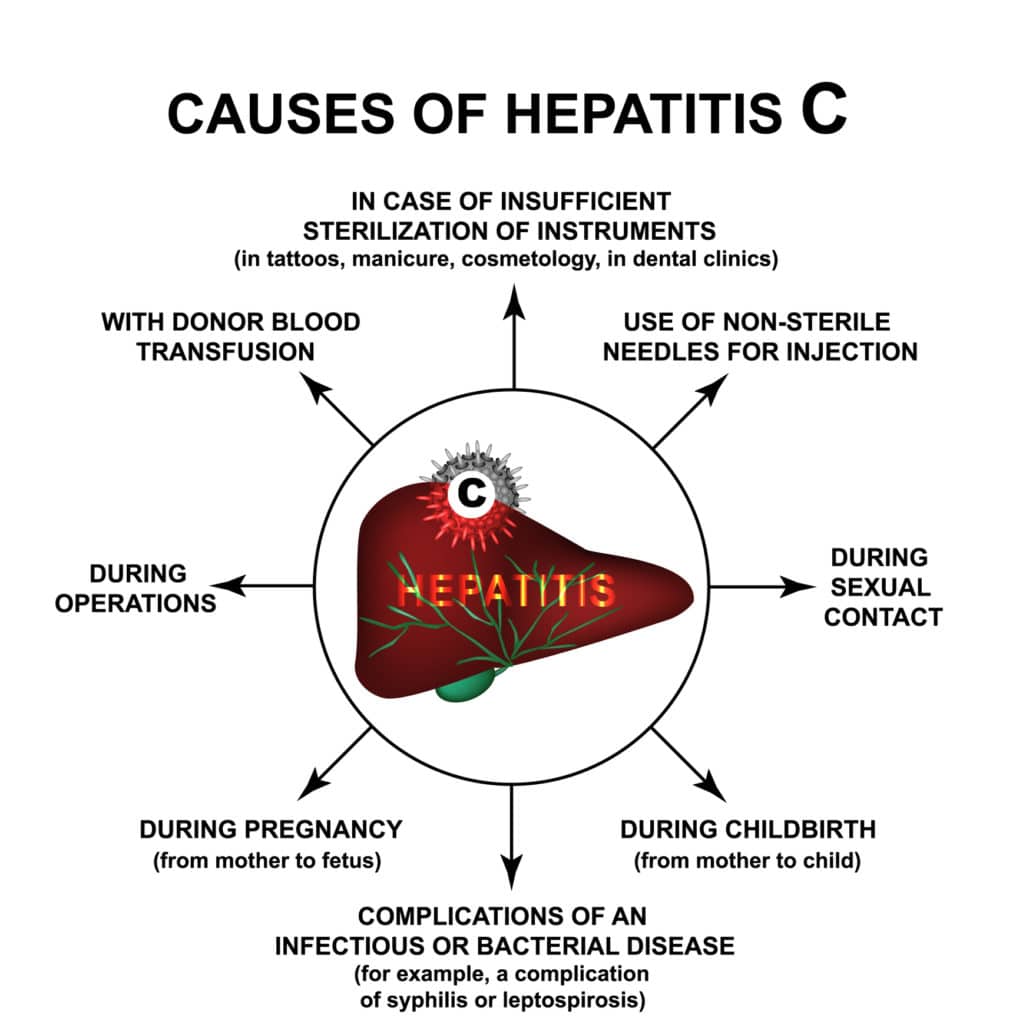
People contract hepatitis C primarily through direct exposure with infected human blood. This transfer of blood can happen through sharing personal care products like a razor, nail grooming kits or toothbrush, intravenous drug use, blood transfusion and organ recipients prior to 1992, dialysis patients and hemophiliacs.
In rare cases, infants born to infected mothers can contract the disease as well as people who get tattooing/body piercing with inadequately sterilized tools, and those who have unprotected sex with an infected partner. These incidences have a very low probability.
Some people who acquire HCV don’t necessarily need treatment because the body’s immune response will eliminate the infection. For those that become chronic, treatment is absolutely necessary.
For those 12 years and above, the 2018 guidelines from WHO suggest therapy with pan-genotype direct-acting antivirals (DAAs). This treatment can cure the majority of people with HCV infection with treatment time usually 12 to 24 weeks, depending if the person has cirrhosis.
There are currently other treatments for HCV as well that achieve sustained absence of detectable virus for 12 weeks after final treatment according to the Center for Disease Control (CDC). For a complete list of currently approved FDA treatments, please visit www.hepatitisc.uw.edu/page/treatment/drugs
If there is any question that you may have contracted hepatitis C, see a doctor immediately. The earlier you are diagnosed, the better your chances of not infecting others and getting what you need to lead a healthy life.
For more information on screening and treatment for hepatitis C, visit www.cdc.gov, www.who.it , or contact your local department of health.


By subscribing, you consent to receive emails from BlackDoctor.com. You may unsubscribe at any time. Privacy Policy & Terms of Service.