✦ Ronetta's frustrating experience at the ER for a severe migraine illustrates the systemic issue of pain dismissal affecting many Black women and people of color in healthcare settings.

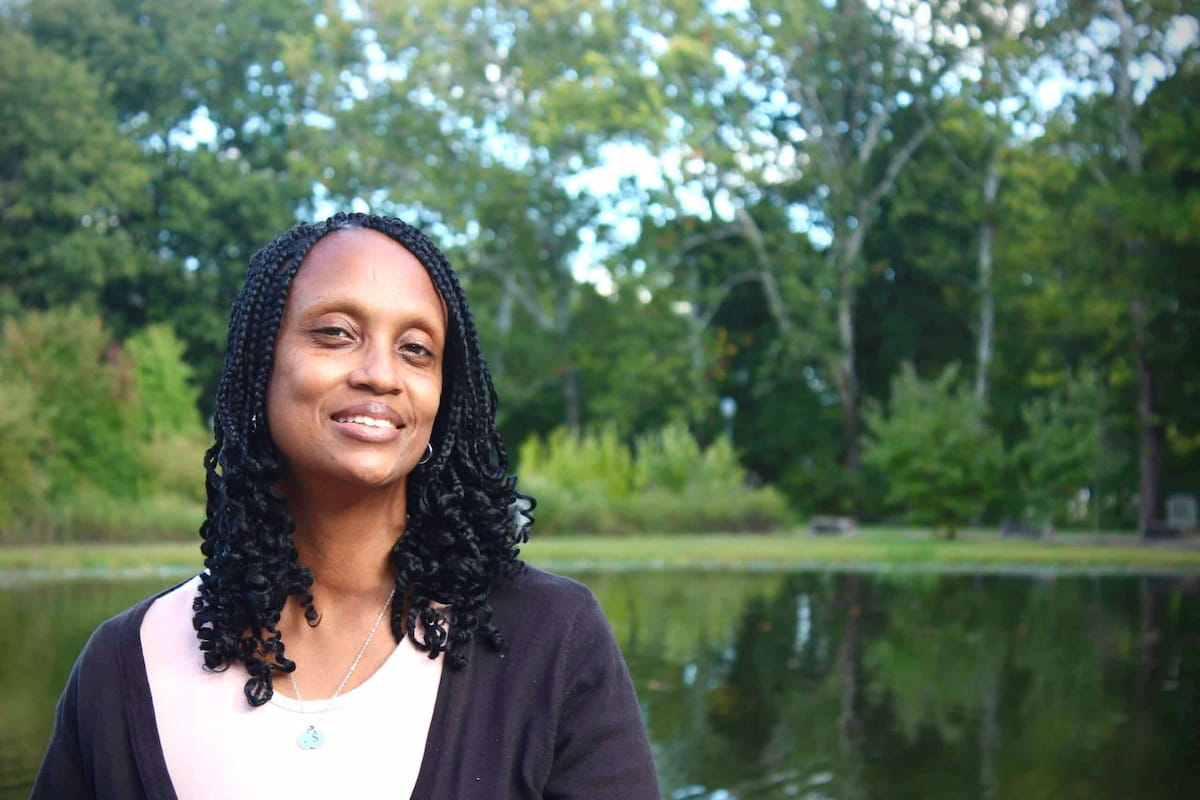
For Ronetta, a routine trip to the Emergency Room for a severe migraine became a frustrating and deeply dismissive ordeal. Her experience highlights a concerning reality for many Black women and people of color in healthcare settings: the minimization and dismissal of pain. Ronetta’s story, which she recently shared with BlackDoctor, serves as a powerful call for self-advocacy, increased awareness, and systemic change in the treatment of invisible diseases like migraine.
RELATED: Why Black Patients Are Less Likely to Receive Migraine Treatment
Ronetta’s journey to the ER was not taken lightly; it was directed by her headache specialist.
“She wanted me to go to the ER right away. And I told her I need to get back to my son, and she’s like, you really shouldn’t be driving,” Ronetta recalls.
Despite driving home to inform her son that she was heading to the ER, Ronetta was met with immediate skepticism upon arrival at the hospital. Her medical records were sent ahead, and she clearly articulated her symptoms—describing the intense pain as feeling like “a vise grip on my head.” Yet, the provider quickly dismissed her pain, refusing medication and initially denying the requested CT scan.
Ronetta was compelled to challenge the provider directly: “You don’t even know why I’m here, you’re dismissing me already.”
The provider only agreed to the CT scan after Ronetta’s persistent insistence. Tellingly, the results were then used to justify the initial dismissal.
“He finally agreed to do the scan. And after scan results came back, he said, ‘See, I told you there was nothing wrong,’” she recalls.
The provider then offered only Benadryl, a medication Ronetta had already confirmed was ineffective for her. Ronetta ultimately refused the inadequate treatment and requested discharge.
Throughout this interaction, Ronetta consciously did not reveal she was an employee of the hospital system.
“I didn’t need him to know that I worked there because I wanted to be treated as a person coming into the hospital, not because [of] my status of working there,” she explains.
She later discovered the issue was widespread after a conversation with a clinician coworker who experienced similar mistreatment with her own husband.
This experience compelled Ronetta to write a letter to the hospital’s President, HR, and the Medical Director. The immediate, apologetic response from leadership underscored the severity of the mistreatment, making it clear to Ronetta that the issue was systemic, not just about one provider’s explanation.
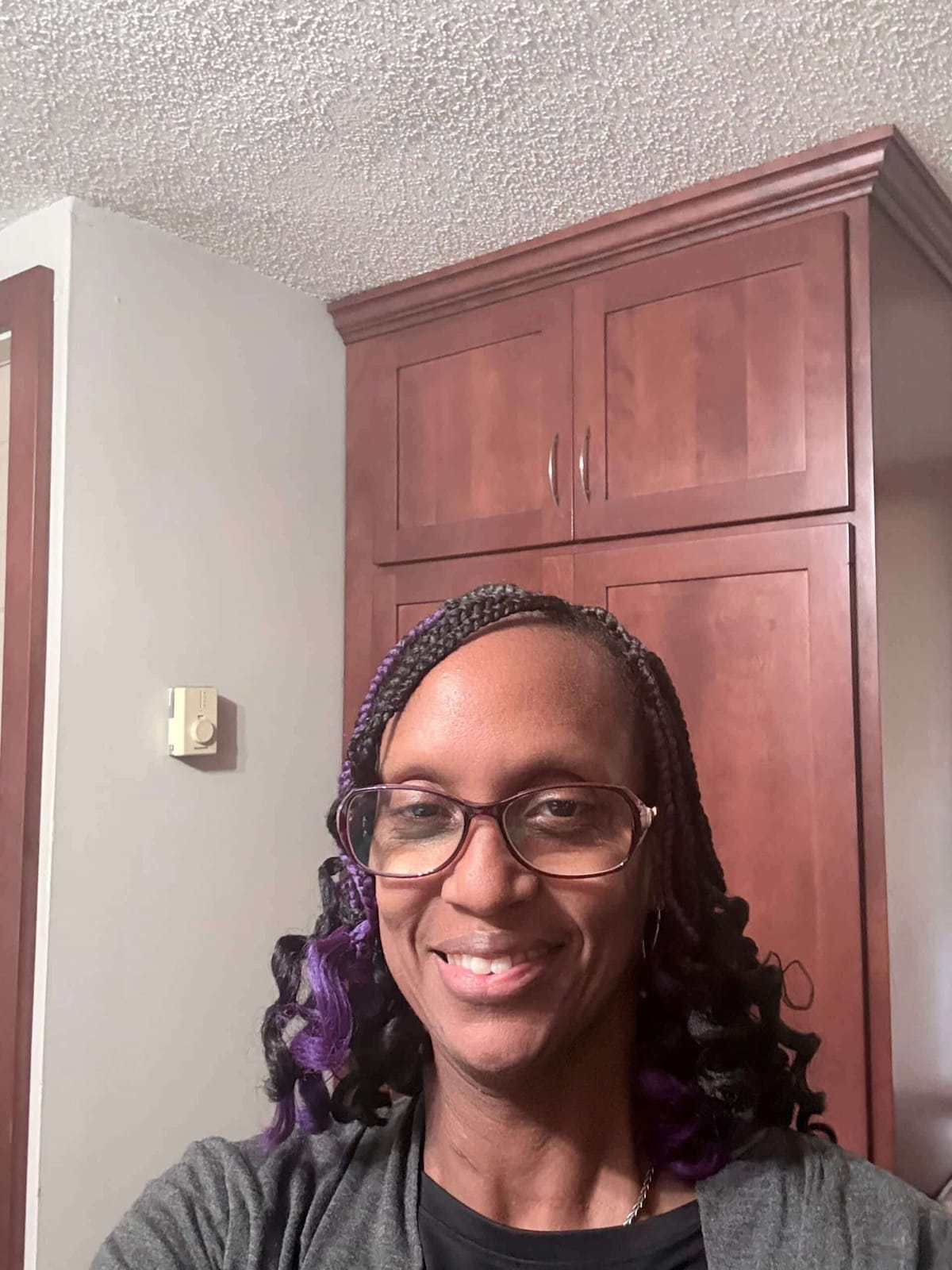
Ronetta’s ordeal is a painful example of a widespread issue: Black women and people of color frequently report their pain being minimized and overlooked in healthcare settings. For an invisible condition like migraine, which is often misunderstood as “just a bad headache” and carries a heavy, racist stigma of “drug seeking,” this bias is compounded.
This injustice fueled Ronetta’s current advocacy work.
“After I wrote that letter, I said a lot more people need to hear what I have to say because it could be a child or another person who went to the hospital and didn’t get adequate treatment right away,” she explains. “So I want to be a voice for them, and unfortunately, I gave my migraine genetics to my daughter. So I want to be a voice for her as well…because sometimes we don’t know what to say in that moment.”
To combat bias, Ronetta is now proactive in her care, often preemptively stating: “I’m not looking for an opioid, I just want something to help relieve the pain.” She emphasizes the importance of balancing effective treatment with avoiding medication overuse syndrome.
RELATED: Living with Migraines: “I Was Dismissed, But I Never Gave Up”
The impact of migraine has been profoundly disabling for her—forcing her to miss family events, cancel social plans, and seek workplace accommodations. Yet, the pain and disruption of this invisible disease are often dismissed with unhelpful suggestions like “go drink some tea or just drink enough water.”
Ronetta channeled the gravity of this injustice by echoing the words of Martin Luther King Jr.: “Of all the forms of inequality, injustice in healthcare is the most shocking and inhumane.”
She believes this inequity persists “because we do not get treated the same way our counterparts get treated, and that needs a change by research and education and advocacy.”

Ronetta is dedicated to being a voice for the unheard, especially her own daughter, who also suffers from migraine. Her advocacy efforts are centered on the “3 Es of Advocacy”:
Ronetta, along with other patient advocates and patient advocacy organizations, is partnering with Lundbeck on the “Raise the Bar for Migraine Care” initiative, which emphasizes collaboration among foundations, education, and awareness to “move the needle” forward.
A simple but effective tool she passes down is the migraine journal, encouraging detailed tracking of symptoms, triggers (like weather, food, and smells), and a list of questions for the doctor.
Ultimately, Ronetta’s journey is a plea for healthcare professionals to see the person before the disease and to treat every patient with dignity and respect.
“You deserve to be seen, to be heard, and to be respected,” she notes.
Her experience demonstrates that when patients advocate for themselves and refuse to be silent, change—and a path to better care—is possible. Ronetta continues to advocate for better treatment, more research (especially noting that physicians may receive as little as two hours of training on migraine), and the overturning of harmful narratives that assume minority women “can handle the pain.”
“Don’t judge a book by its cover. Look within the person,” she concludes.


By subscribing, you consent to receive emails from BlackDoctor.com. You may unsubscribe at any time. Privacy Policy & Terms of Service.