There are so many diseases that are higher in Black women than any other ethnicity. Up to 10 percent or more of adult women under 49 years suffer from a number of health issues like heart diseases and fibroids. But there’s one issue that is being vastly overlooked and it’s sneaking up on too many Black women for us to ignore. It’s iron deficiency anemia. Hispanic-American and Black-American women have two to three times the prevalence of anemia compared to Caucasian women.
Anemia is important because it signifies a deficiency in healthy red blood cells or hemoglobin, impacting the body’s ability to transport oxygen, leading to potential long-term health issues. It can affect various bodily functions and, if left untreated, may result in severe health complications.
Here are just some of the things that it affects:
Oxygen Delivery:
Red blood cells, and specifically hemoglobin within them, are crucial for carrying oxygen from the lungs to the rest of the body. Anemia reduces the oxygen-carrying capacity of the blood, depriving organs and tissues of the oxygen they need to function properly.
Fatigue and Weakness:
A common symptom of anemia is fatigue and weakness, as the body struggles to get enough oxygen to its cells.
Cardiovascular Strain:
When the body doesn’t have enough red blood cells, the heart has to work harder to pump blood and circulate oxygen, potentially leading to heart problems like an irregular heartbeat or, in severe cases, heart failure.
Pregnancy Complications:
Anemia during pregnancy can lead to premature birth, low birth weight, and other complications for both the mother and child.
Increased Risk of Infections:
Some types of anemia can weaken the immune system, making individuals more susceptible to infections.
The risk for anemia in adolescent girls is about three percent. Anemia is generally mild in young women, however, and is more likely to occur with one or more of the following conditions:
Anemia develops when you don’t have enough robust, healthy red blood cells to carry oxygen throughout your body. The blood cells may lack enough hemoglobin, the protein that gives blood its red color. Anemia affects one in 10 teen girls and women. It also develops in men and children and is linked to some illnesses like:
If you’re often tired even though you’ve slept well or you lack the energy for normal activities, you may have anemia. It can be an underlying cause of memory or mood problems. Symptoms range from none to mild to life-threatening and may include:
Iron deficiency can lead to anemia, a more serious condition that can cause heart problems and complications during pregnancy.
Some risk factors for iron deficiency anemia include:
RELATED: Top Signs That You Need A New Iron Supplement Iron Deficiency Anemia
People with anemia have less oxygen in their blood, which means the heart must work harder to pump enough oxygen to their organs. Cardiac-related symptoms include arrhythmia (an abnormal heart rhythm), shortness of breath, and chest pain.
RELATED: 4 Healthy Recipes To Improve Your Iron Intake
Women and people with chronic diseases have the greatest risk of anemia. When women lose blood in heavy menstrual periods, they may become anemic.
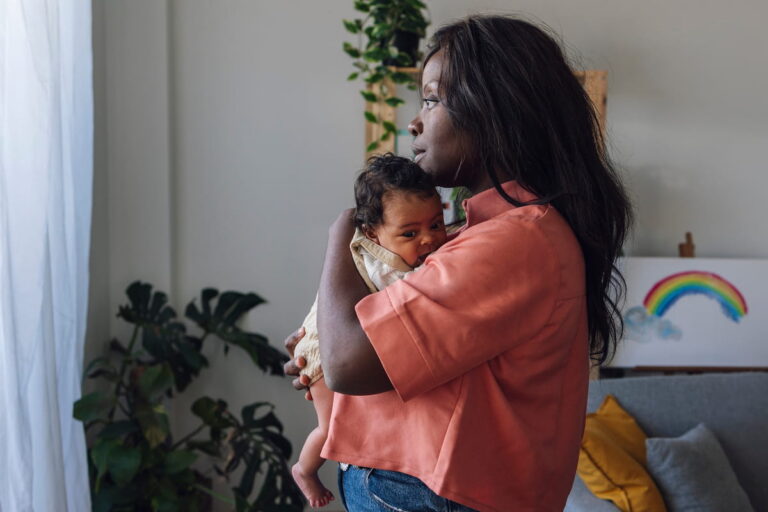
Pregnancy also causes changes in a woman’s blood volume that can result in anemia.
Chronic diseases such as kidney disease can affect the body’s ability to make red blood cells.
A diet low in iron, folate, or vitamin B12 also increases your risk. Some types of anemia are hereditary.
A diet that’s low in iron can cause anemia. Iron from plants and supplements isn’t absorbed as well as the iron in red meat. Digestive concerns such as Crohn’s disease, celiac disease, or even gastric bypass surgery can interfere with iron absorption. Some foods and medicines can hinder iron uptake when taken with iron-rich foods. They include:
The body needs both vitamin B12 and folate to make red blood cells. A diet too low in these vitamins sometimes can cause anemia. An autoimmune disorder or digestive problem also can prevent your body from absorbing enough B12. Folate is in leafy green vegetables, fruits, dried beans, and peas, and is added to breads, pastas, and cereals as folic acid.
Losing too many red blood cells is a common cause of anemia. Heavy menstruation, ulcers, injury, or surgery can cause enough blood loss to lead to iron-deficiency anemia. Women who have heavy menstrual periods should be tested for anemia every year.
Sickle cell anemia is an inherited disorder in which the body produces an abnormal form of hemoglobin. This causes red blood cells to change from round to a sickle shape and become stuck together. That can make it difficult for them to pass through blood vessels, leading to pain and damage to body tissues.
The red blood cells also die more quickly than normal red blood cells.
In the U.S., sickle cell anemia is more common among Black Americans and Hispanics.
RELATED: How Does Iron Deficiency Anemia Affect Your Pregnancy?
Treating your anemia and eating a well-rounded diet can give you more energy and enhance your life. Most people can manage their anemia through a healthy diet and iron or vitamin supplements if a doctor says they are deficient in one of the key nutrients.
If you have a chronic disease, then good management of your condition will also help you prevent or manage anemia.


By subscribing, you consent to receive emails from BlackDoctor.com. You may unsubscribe at any time. Privacy Policy & Terms of Service.