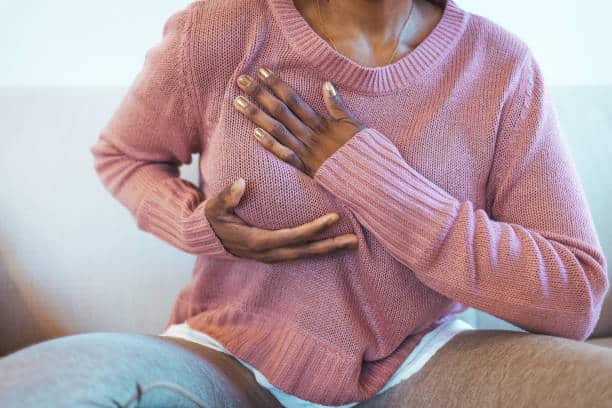
While anyone can experience breast pain, don’t panic: It’s rarely cancer.
Penn State Health offers some reassurance about what might cause the pain and when it might be time to have a mammogram.
RELATED: 5 Mammogram Myths Every Woman Should Know
Featured on BlackDoctor
“We see a lot of patients who come looking for answers that have widespread, cyclical breast pain,” says Dr. Alison Chetlen, a staff physician at Penn State Health Breast Center in Hershey, Pa.
“We usually start with reassurance, perhaps eliminating the underlying cause of the pain,” she said in a Penn news release. “Sometimes it is related to their menstrual cycle or underlying hormonal fluctuations. Is it musculoskeletal? If so, perhaps medication and a warm compress will help. Something like arthritis of the rib joints also can cause pain that mimics breast pain. In such cases, the pain is not actually coming from the breasts.”
Women, men and transgender people can each experience breast pain. Reasons vary.
“It’s extremely rare for breast cancer to be the source of breast pain,” Chetlen says. “We worry more when we have a patient present with a lump, bloody nipple discharge, or a lump under the armpit. Breast pain is typically not the initial sign of breast cancer.”
Men can have breast pain in all stages of life. If you are experiencing breast pain, here’s what may be causing it.
Breast pain in men is typically caused by gynecomastia, an increase in the amount of breast glandular tissue caused by a hormone imbalance. With gynecomastia, abnormal growth and swelling in the breasts occur in males of all ages. The change in shape or size varies and can cause pain. Gynecomastia can be a result of hormone imbalances, where estrogen increases, and testosterone decreases. Obesity and aging can also cause this condition.
“Even as boys change into men they can experience pain behind the nipple, which can be quite painful,” Chetlen says. “Ninety-nine times out of 100, it is gynecomastia, which is benign.”
RELATED: Men Can Have Breast Cancer Too: 8 Risk Factors To Know
A cyst is a typically harmless lump under the skin that contains fluid or air. In some cases, cysts can become sore and can cause pain if they are located on your breasts.
The pectoralis major and minor are the two main muscles that make up the chest. Performing weighted chest exercises or putting excess pressure on the muscles can cause a strain.
Fat necrosis occurs when fat tissue becomes damaged. This may be a result of surgery on the breasts or a biopsy. Breast fat necrosis can produce a lump but is not cancerous.
While running your nipple can start to chafe against your top or vest. The chafing can cause the nipple to become sore.
Another non-cancerous lump that can form on the breasts is a fibroadenoma, although they are rare in men. The cause of a fibroadenoma is unclear, however, most do not increase the risk of breast cancer.
Women can experience breast pain for a number of reasons including:
Cyclical breast pain is caused by changing hormone levels during the menstrual cycle. During this time many women may experience discomfort and lumpiness in both breasts a week before their periods. They may also experience pain that varies from mild to severe and is tender and sore to touch. The pain often goes away once a period starts.
RELATED: Symptoms of a Rare Breast Cancer That Many Black Women Could Miss
What causes non-cynical breast pain remains unclear, but it is often linked to:
The pain can occur in one or both breasts and can affect the whole breast or a specific area with a burning, prickling or stabbing pain, or a feeling of tightness. This pain may come and go and can affect women before and after menopause.
Hormone therapy may cause breast pain for transgender women. Transgender men may have pain in native breast tissue or in tissue left behind after a breast reduction or mastectomy.
RELATED: 4 Ways Black Breasties Can Personalize Their Self-Care Routine
It is not always possible to prevent the causes of breast pain because it isn’t always clear what causes cysts or fibroadenomas.
However, some causes are preventable. Here are some prevention tips from MedicalNewsToday:
Some causes of breast pain do not require a doctor and may go away on their own.
However, pain that worsens over time, is localized to one area, interferes with daily activities or includes a lump, redness or warmth needs an immediate visit to your physician, Chetlen advises.
RELATED: Find A Physician Here
“Usually the referring physician will request a diagnostic workup,” she says. “The diagnostic evaluation isn’t black and white. We listen to the patient’s story and tailor the diagnostic workup to the patient and their specific symptoms.”
Patients who perform regular self-exams will be better able to help their doctor determine the source of their pain, Chetlen notes.
“Regular breast self-exams are part of understanding and being in touch with your body, so if there are any changes, you’ll be the first to know,” she adds.
Sometimes a patient with a breast concern will say they have never looked at or felt their breasts.
“That makes determining the cause of their symptom more challenging because they aren’t as in touch with their bodies as others,” Chetlen explains. “It is important to get to know your body, listen to your body and be an advocate for yourself.”


By subscribing, you consent to receive emails from BlackDoctor.com. You may unsubscribe at any time. Privacy Policy & Terms of Service.