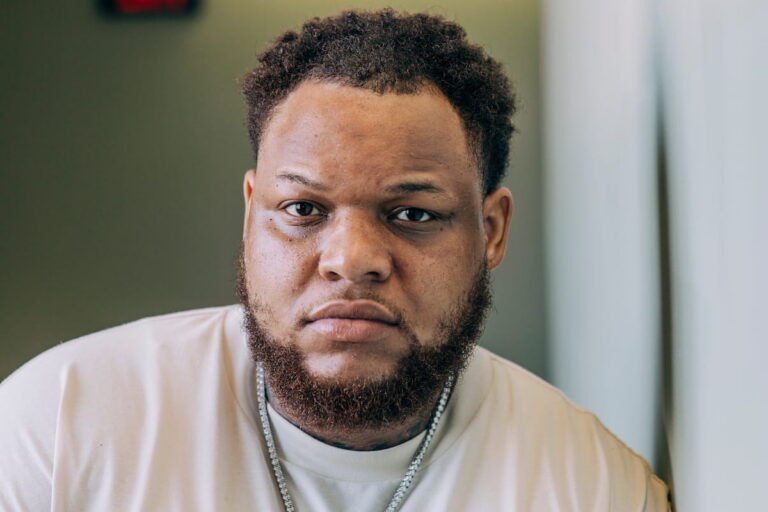
 Photo courtesy of Dr. JaQuinda Jackson
In the high-stakes world of sports, athletes are often celebrated for their physical prowess, but what happens when the pressures of competition, personal trauma, and the toll of injuries impact their mental health?
BlackDoctor.org spoke with Dr. JaQuinda Jackson, a trauma therapist with a background in community counseling and counseling psychology, who has dedicated her career to addressing these challenges and helping athletes recognize that mental wellness is just as important as physical recovery. Through her specialized approach, Dr. Jackson is working to destigmatize mental health care in sports, paving the way for athletes to achieve true holistic well-being.
Dr. Jackson began her career as a trauma therapist after recognizing a gap in mental health services for people of color, particularly within the educational and sports sectors.
“I’ve been practicing as a trauma therapist for over 11 years. I started as a trauma therapist to meet the needs of people who look like me, working in the trauma sector. In my school, I saw a lot of people were educated, but they didn’t necessarily look like us. That’s what led me to trauma therapy. I initially started with work in trauma-focused therapy and eventually moved into family work,” Dr. Jackson shares.
Over time, her practice evolved to include a focus on athletes, particularly during the COVID-19 pandemic, which exposed new mental health challenges for athletes.
Athletes often face unique pressures. While the world sees their athletic performance, Dr. Jackson points out that we often overlook the personal struggles many athletes endure.
“We see what they can achieve, but we don’t often ask how they get there. For a lot of athletes, their passion is rooted in creating a path for themselves and their families. Many athletes I work with face issues related to family trauma, and sports become an outlet for them. They’re able to compete at the next level, but often don’t address the underlying trauma,” Dr. Jackson notes.
These underlying emotional struggles can complicate an athlete’s mental health, especially when combined with the pressures of competition and public scrutiny.
One significant challenge Dr. Jackson highlights is the trauma of injuries.
“Injuries are traumatic in themselves. When you get injured and can’t perform, it challenges your identity because, for many athletes, their self-worth is tied to their ability to play. So, we do a lot of internal work, understanding their passion and what that looks like beyond sports,” Dr. Jackson adds.
Jackson also explores what transitioning out of sports looks like for athletes who can’t return to play.
“For many, their identity is so wrapped up in their sport that when that is taken away, they experience emotional distress,” she shares.
RELATED: How One Black Doctor is Transforming Mental Health for Women Everywhere
The recent increase in awareness about concussions, particularly in contact sports like football, has also brought mental health into sharper focus. Dr. Jackson references the recent incident involving Tua Tagovailoa, a football player for the Miami Dolphins, who has suffered three concussions in his NFL career. This event triggered changes in the NFL’s concussion protocols, but it also underscored the long-standing issue that football players face regarding traumatic brain injuries.
“Players are trained to be tough, but injuries don’t just cause physical harm—they can affect the body in ways we don’t always recognize,” Dr. Jackson says.
A key part of Dr. Jackson’s work is reframing how we think about mental health. The stigma attached to seeking help is a significant barrier, particularly in the sports world, where athletes are often expected to be mentally tough at all times.
“Players, especially in football, are taught to suppress their emotions and push through pain. That can be very challenging. I work with athletes to create space for them to acknowledge their emotions and understand that just because they’re injured or going through emotional distress doesn’t mean they’re weak,” she adds.
Dr. Jackson’s goal is to normalize discussions about mental health, comparing it to how we routinely address physical health.
“We tend to think of it through the lens of something being ‘wrong,’ but in reality, we all have mental health, just like we have physical health,” she notes. “Education is key here. How can we integrate mental health education into early training programs for young athletes?”
Something that has proven successful for Dr. Jackson is incorporating mental health discussions into her workshops with young athletes, encouraging them to talk about their emotions openly, without fear of judgment. These workshops are designed to create a safe space for athletes to process their emotions.
“It shifts the focus from just being about sports to understanding that while you have a role on your sports team, you also have a role in your community. If you want to show up for your teammates, you first have to show up for yourself,” Dr. Jackson notes.
Coaches also play a vital role in the mental health of athletes. Dr. Jackson advocates for coaches to create an environment where athletes feel supported not just physically but emotionally.
“I always encourage coaches to create space for check-ins with their players, asking about their families, backgrounds, or what’s going on in their lives. That way, athletes see that you care about them as people, not just as players. If an athlete does disclose something, coaches can then refer them to the appropriate support,” Dr. Jackson advises.
For many athletes, balancing the demands of sports, school, and life can lead to burnout. Dr. Jackson suggests that athletes maintain routines that help them manage stress and stay grounded. Moreover, Dr. Jackson advocates for having mental health resources readily available for athletes.
“Universities often have mental health staff for their athletes, but it’s important that athletes also have access to off-campus resources. There’s often fear that if they see someone on campus, it might get back to their coach. So, having resources off-campus or allowing athletes to choose a therapist they connect with can make a big difference,” she notes.
She also encourages athletes to self-reflect and identify when they may need to take a break or seek support.
“Be curious about yourself. If you wake up in a bad mood regularly or are constantly triggered, seek help. Everyone can benefit from reflecting on their life. We live in a fast-paced, distracted world, but sitting with someone who is trained in mental health can help you identify patterns,” Dr. Jackson adds. “I often have clients who want to work through one trauma, but in doing so, we uncover multiple traumas. It’s about taking the time to focus on yourself and do the work needed for self-reflection.”
Dr. Jackson’s message is clear: mental health care is not a sign of weakness but an essential component of overall well-being, especially for athletes who face unique pressures both on and off the field.
Here are her final tips for athletes managing mental health challenges:


By subscribing, you consent to receive emails from BlackDoctor.com. You may unsubscribe at any time. Privacy Policy & Terms of Service.