Your diet plays a large role in keeping your diabetes under control. While you can have a treat occasionally, it’s important to keep the balance. Depending on the type of diabetes you’re dealing with and other issues you may be facing, your doctor might recommend a dietitian for personalized guidance. However, you can follow a few general rules that will make a difference.

Refined carbohydrates like white bread, pasta, rice, and flour raise your glucose index quickly. That means they can throw your blood sugar levels out of whack while not providing a lot of nutrients.

These kinds of meats undergo preservation or preparation processes that can include the addition of sugar. Along with that, you can expect added salt, fat, and other preservatives that aren’t good for your health.

Cakes, pastries, and candy are usually high in sugar. Additionally, they tend to be empty calories that will not aid your weight management journey.

Studies show that a diet that’s high in saturated fat can increase your risk of developing resistance to insulin. It’s a good idea to choose more low-fat dairy foods.
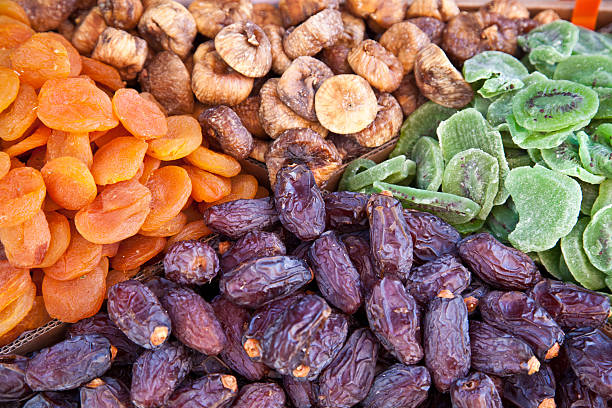
While some fruits can become naturally sweeter when they’re dried, sometimes manufacturers add sugar as part of the process. Even if there’s no additional sugar, there is usually enough there to spike your blood sugar levels if you eat too much.
RELATED: I Have Diabetes, Can I Still Eat…
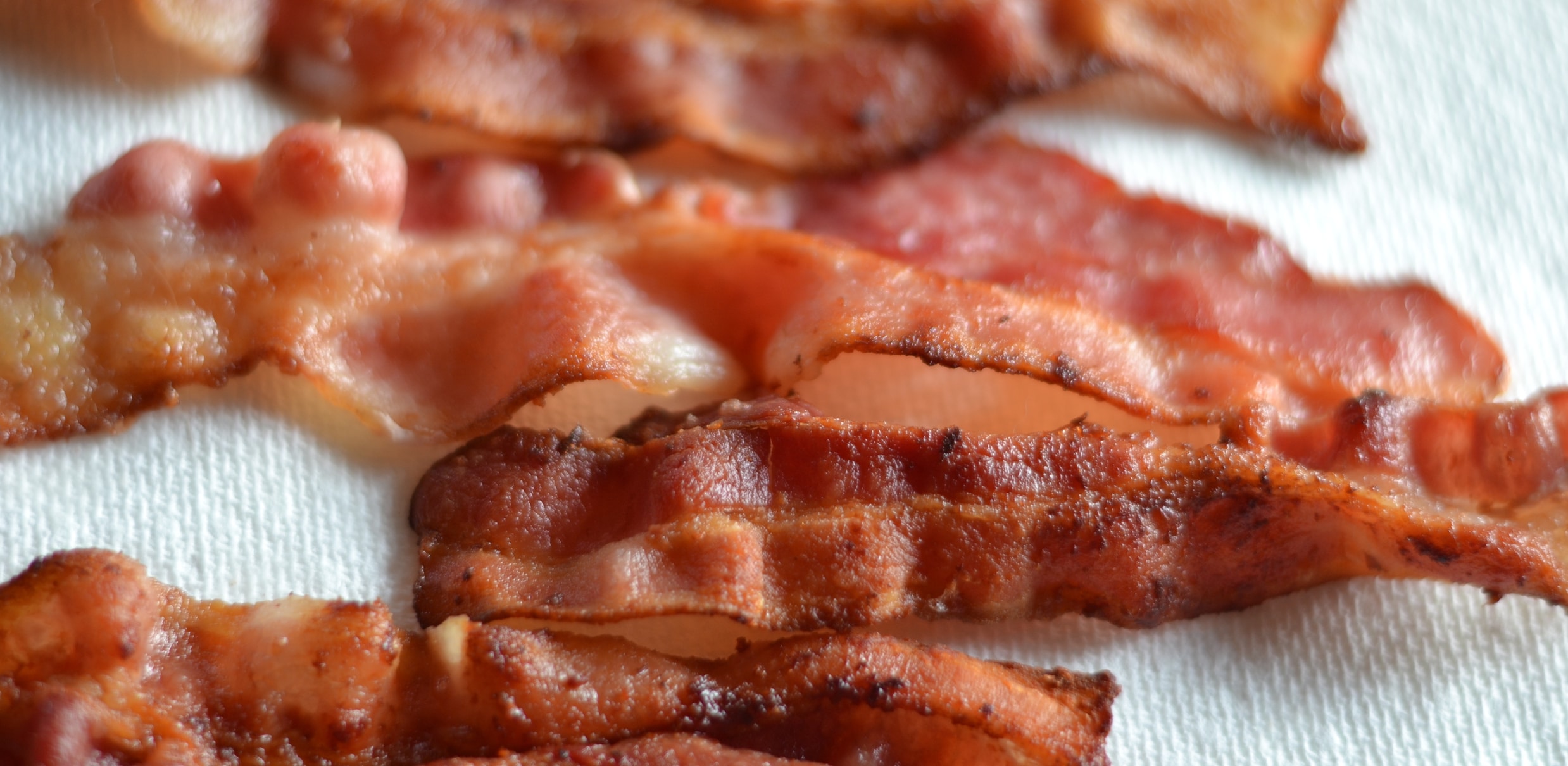
High-fat cuts of meat like regular ground beef, bologna, hot dogs, sausage, bacon, and ribs can be sources of saturated fat. As with the full-fat dairy, this can cause problems for people who are living with diabetes.
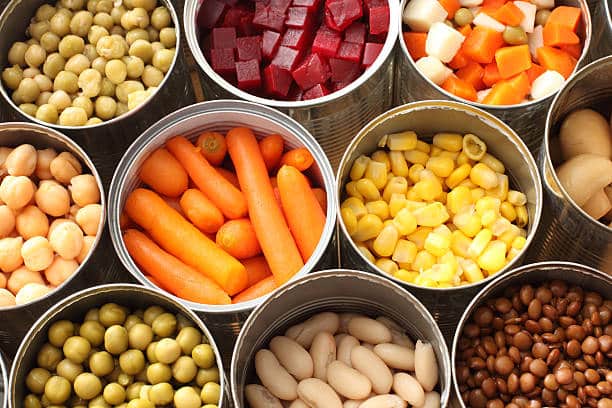
The process of canning vegetables not only reduces their nutrient content but it can also introduce added salt and sugar. This can definitely affect your blood sugar levels.

Most fruit juice on the market will have added sugar that can spike your blood sugar levels. You can read the nutrient facts on the label to be sure.
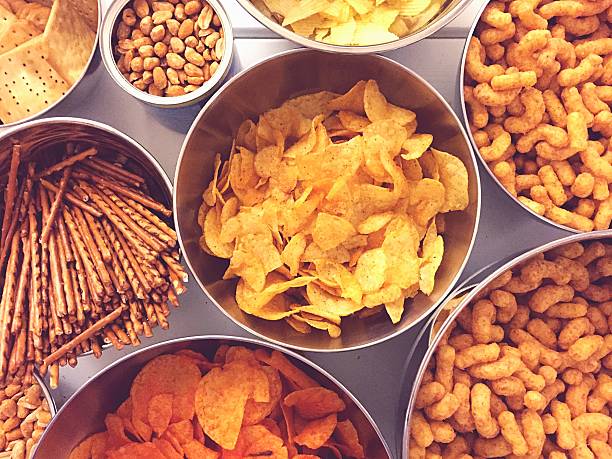
When you eat packaged snacks like chips, pretzels, crackers, cookies, doughnuts, and snack cakes, you’re likely to be exposed to a lot of added sugar and white flour. Both of these ingredients will negatively affect your blood sugar levels.

Alcohol has been shown to have a negative impact on blood sugar levels. That’s because many alcoholic drinks have a lot more sugar than you might realize. It’s best to limit your alcohol intake significantly.
After looking at the list of things you can’t eat, you might wonder what’s left. The good news is that there are a lot of foods that are healthy and tasty, which are ideal for someone with diabetes. For example, you can replace refined carbohydrates with whole grains, seeded breads, and plain porridge. Fresh fruits and vegetables are an ideal replacement for canned or otherwise processed ones. You can also have fresh, lean meats instead of processed, fatty options. Additionally, you should focus on drinking water, fresh juices, and unsweetened beverages instead of drinks that are heavy in added sugar.
RELATED: 5 Health Conditions the Keto Diet Helps Fight Off
If you would like to make major changes in what you eat, studies show that there are four different diets that can work well for diabetics. The first is the ketogenic diet. In the keto diet, you can eat a maximum of 30 grams of carbohydrates daily. Doing this makes it easier for diabetics to stick to the good carbs and manage fluctuations in their glycemic index. On the other hand, you can have healthy servings of vegetables, seafood, poultry, and certain dairy products.
The second option is the Paleolithic diet, which focuses on unprocessed foods. This is good for diabetics because many processed foods aren’t recommended for you, anyway. On a paleo diet, you can eat fresh fruits and vegetables, nuts, eggs, grass-fed meats, seafood, and healthy oils. Additionally, research shows that the paleo diet aids diabetics in weight loss and feeling fuller after eating.
You can also opt for the Mediterranean diet, which is designed around how people in that region are likely to eat. On this diet, you can eat fruits, vegetables, whole grains, legumes, nuts and seeds, and heart-healthy fats.
Finally, going completely vegan or vegetarian can help diabetics keep their condition in check. These diets are typically plant-based or heavily focused on plant-based foods. Studies show that these diets can help with weight loss as well.
Once you’ve been diagnosed with diabetes, managing what you eat becomes an essential part of your life. Depending on what you’re used to eating, a diet change might seem daunting. Fortunately, if you tackle things one at a time, you’re more likely to see a difference.


By subscribing, you consent to receive emails from BlackDoctor.com. You may unsubscribe at any time. Privacy Policy & Terms of Service.