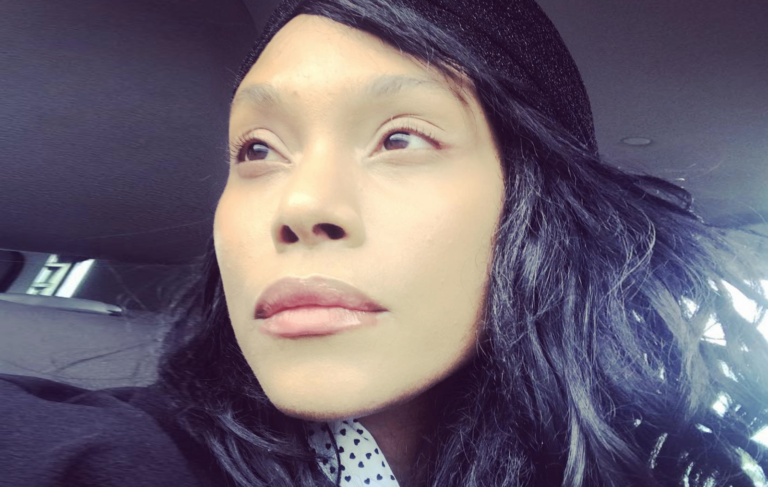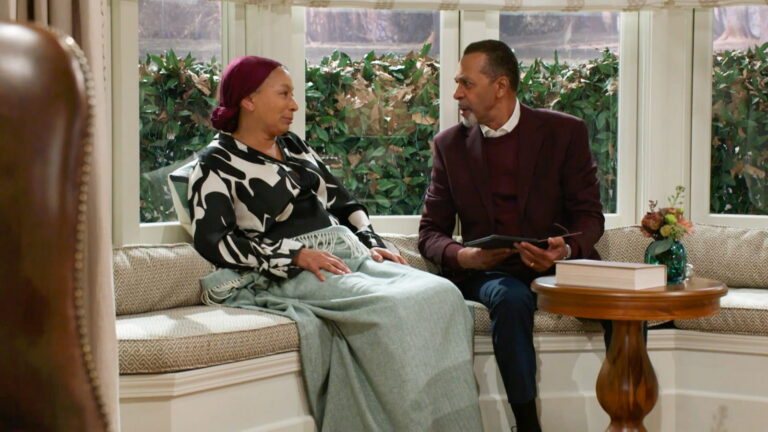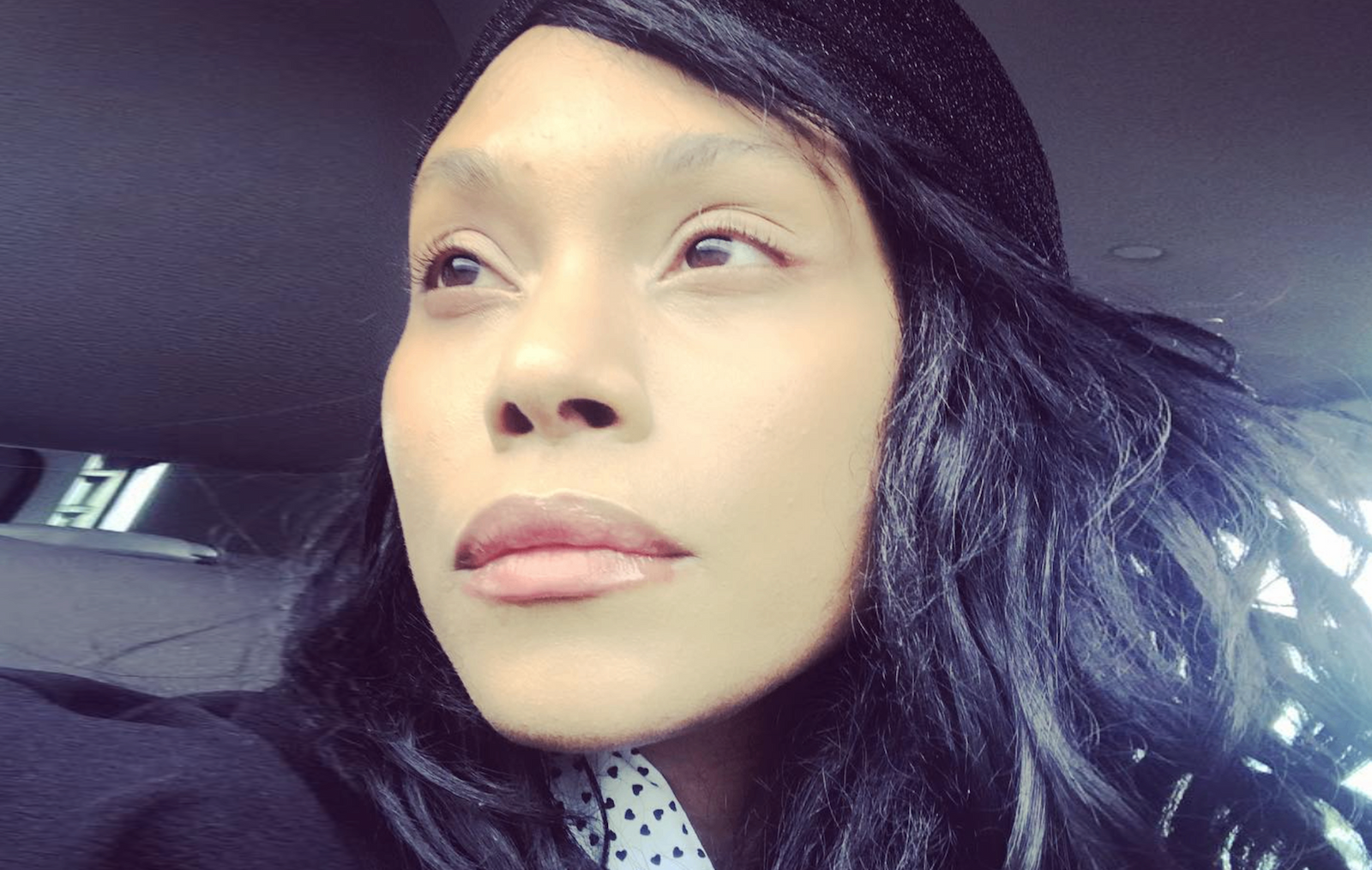
Actress and comedian Christy Knowings, who became a familiar face to a generation of Nickelodeon viewers on the hit sketch-comedy series All That, has passed away at the age of 46.
According to reports, Knowings suffered an asthma attack on August 7 and was hospitalized in the Los Angeles area. The attack reportedly resulted in brain damage, and she was placed on life support. She died on August 11.
Her death has stunned fans and former co-stars, while also drawing attention to something that can sometimes be overlooked: asthma can be deadly. And for Black Americans, the risks associated with the chronic lung disease are disproportionately high.
For many people who grew up during the 1990s, Knowings will forever be associated with Nickelodeon’s All That, the youth-oriented sketch comedy series that helped launch the careers of stars including Kenan Thompson, Amanda Bynes, Kel Mitchell and Nick Cannon.
Knowings joined the cast in 1997 and appeared in more than 30 episodes over three seasons. Her ability to transform into wildly different characters quickly made her stand out among the ensemble.
One of her best-known sketches was “Whateverrr!!!,” which she performed alongside Amanda Bynes. Knowings also played Gloria Bankhead, an exaggerated homemaking personality whom she once described as an over-the-top version of Martha Stewart.
Representation was also important to Knowings. She spoke publicly about how the diversity of All That allowed her to bring elements of her own Afro-Latina and Native American background to the characters she portrayed.
Her career didn’t end with Nickelodeon. Knowings appeared in the 2009 film Mother and Child and later made several appearances on Sesame Street, where she appeared alongside her twin brother, actor Chris Knowings. She also returned as a guest when All That was revived in 2019.
Following news of her death, longtime All That co-star Kenan Thompson remembered Knowings as a close friend and exceptionally funny performer, while other former cast members shared tributes celebrating her talent, warmth and fearless comedic style.
Knowings’ death also puts a spotlight on a disease that has an especially significant impact on Black communities.
Asthma is a chronic condition in which the airways become inflamed and narrowed, making it difficult to breathe. Symptoms can include wheezing, coughing, chest tightness and shortness of breath.
Approximately 27.8 million Americans were living with asthma in 2023, according to the Centers for Disease Control and Prevention (CDC).
But asthma doesn’t affect every community equally.
CDC research has found that asthma prevalence is higher among Black Americans. In an analysis of national data, 10.6% of non-Hispanic Black adults had current asthma compared with 8.2% of non-Hispanic White adults. Among children, the difference was even larger: 12.5% of Black children had asthma compared with 5.7% of White children.
The disparity becomes even more concerning when looking at deaths.
CDC data from 2001 through 2021 show that non-Hispanic Black Americans were nearly three to four times more likely to die from asthma than people in several other racial and ethnic groups.
In 2021, the asthma death rate among Black adults was 29.7 deaths per million, compared with 11.8 per million among White adults. Among Black children, the rate was 7.7 deaths per million, compared with 1.0 per million among White children.
These disparities can be influenced by a combination of factors, including differences in access to consistent medical care, environmental exposures, housing conditions, air pollution, socioeconomic factors and the ability to obtain and regularly use appropriate asthma medications.
Because millions of people successfully manage asthma every day, it can be easy to think of the disease as little more than occasional wheezing or needing an inhaler.
A severe asthma attack can be a medical emergency.
During an asthma attack, muscles surrounding the airways tighten while inflammation and mucus further restrict airflow. In a severe attack, the lungs may become unable to move enough oxygen into the bloodstream.
If oxygen levels fall dangerously low, vital organs—including the brain and heart—can be affected. Without rapid treatment, severe oxygen deprivation can result in loss of consciousness, cardiac arrest, brain injury and death.
Although asthma deaths are relatively uncommon and many are considered preventable, the CDC emphasizes the importance of early treatment, appropriate medical care and patient education for people at higher risk of asthma-related death.
Someone experiencing an asthma attack should follow their prescribed asthma action plan and use rescue medication as directed. However, certain symptoms can indicate that the situation is becoming an emergency.
Warning signs may include:
A person experiencing severe breathing difficulty should receive emergency medical attention immediately rather than waiting to see whether symptoms improve.
Asthma can change over time. Someone who once had relatively mild symptoms can later experience more frequent or severe attacks.
Needing a rescue inhaler more frequently, waking at night because of coughing or wheezing, becoming unusually short of breath during everyday activities or experiencing attacks that are increasingly difficult to control are all reasons to speak with a healthcare professional.
People with asthma should also know their personal triggers. Common triggers can include respiratory infections, smoke, pollen, dust mites, mold, pet allergens, air pollution, exercise and cold air. Individual triggers vary considerably.
A healthcare provider can help develop an asthma action plan explaining what medications should be taken regularly, what to do when symptoms begin and when an attack requires emergency treatment.
Christy Knowings made people laugh during an era of television that remains deeply nostalgic for millions of viewers. For fans who watched All That after school or on Saturday nights, her characters became part of what made the series memorable.
Her death at only 46 is also a sobering reminder that asthma should never automatically be dismissed as a minor condition.
For Black Americans in particular, the statistics show why controlling asthma, recognizing worsening symptoms and having access to appropriate treatment matter. Asthma is manageable for many people—but a severe attack can become life-threatening surprisingly quickly.
Knowing the warning signs and having a plan for what to do when breathing suddenly becomes difficult could save a life.


By subscribing, you consent to receive emails from BlackDoctor.com. You may unsubscribe at any time. Privacy Policy & Terms of Service.