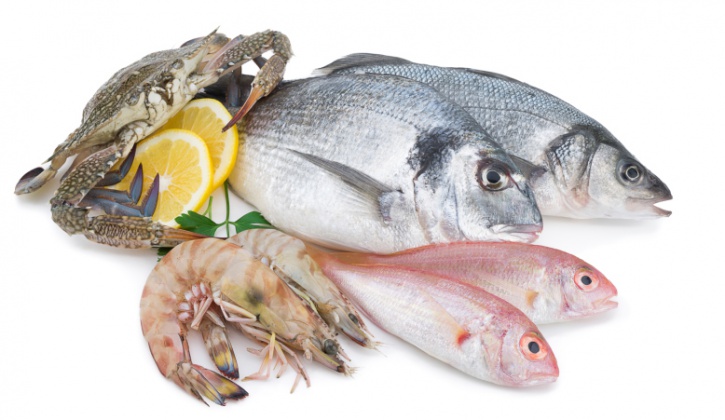
In addition to the wonderful taste, increasing your intake of seafood has a myriad of health benefits like boosting immunity and reducing the risk of heart disease, stroke, cancer and other chronic conditions. However, overfishing and pollution has put many fish species in peril, making it a healthy, but imperfect food choice.
Not so long ago, the ocean’s bounty seemed to have no limit. Now we know better. Efficient fishing fleets and an ever-growing hunger for seafood have pushed many of the world’s fisheries to the brink. Up to 70 percent are exploited or have already suffered a collapse.
MUST READ: Some Farm-Raised Tilapia May Be As Bad As Bacon
Worldwide, the demand for seafood is increasing according to a recent Bloomberg report, yet many populations of the large fish we enjoy eating are overfished. In the United States we import more than 80 percent of our seafood to meet the demand, and destructive fish farming practices only add to the problem.
In order lessen the impact of fish consumption, there are some guidelines and information that can help consumers choose the right fish to eat, while having the least impact on the species and the ecosystem.
To help ease some of the pressure on the world’s seafood populations, Seafood Watch has created a list of seafood broken down by best choices, good alternatives, and fish to avoid.
Abundant, well-managed and caught or farmed in environmentally-friendly ways:
MUST READ: Farm Raised Vs. Wild Caught
An option, but there are concerns with how they’re caught or farmed, or concerns with the health of their habitat due to other human impacts:
These items are caught or farmed in ways that harm other marine life or the environment:


By subscribing, you consent to receive emails from BlackDoctor.com. You may unsubscribe at any time. Privacy Policy & Terms of Service.