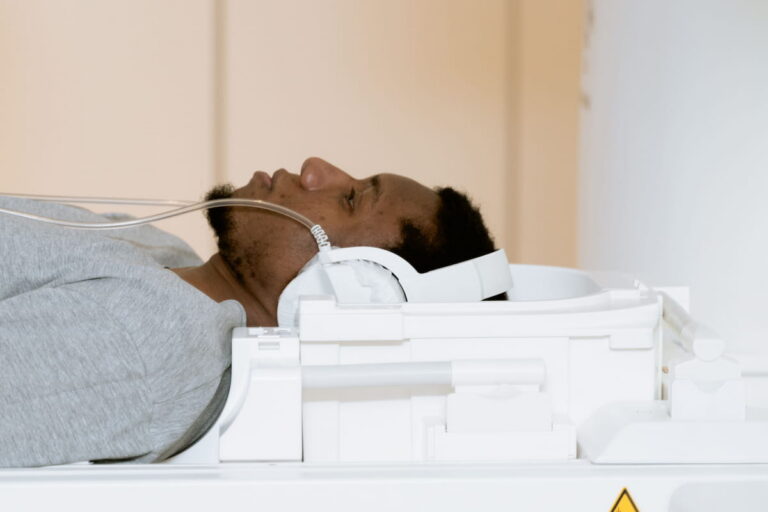
Migraines are complex and often unpredictable, making it challenging for you to anticipate when an attack might occur. However, certain factors have been identified that can increase the likelihood of a migraine episode. By understanding these factors, you can better manage your condition and potentially reduce the frequency and severity of migraines. Here are five key factors that can predict when a migraine will strike.
1. Weather Changes
Weather fluctuations, particularly changes in barometric pressure, temperature, and humidity, have been linked to migraine onset. Many migraine sufferers report that their headaches worsen or occur more frequently during weather changes, such as before a storm.
Keeping track of weather patterns and avoiding triggers during these times can help mitigate the risk of a migraine.
Featured on BlackDoctor
2. Hormonal Changes
Hormonal fluctuations, particularly in women, are strongly associated with migraines. Changes in estrogen levels, such as those that occur during menstruation, pregnancy, or menopause, can trigger migraines in some individuals.
Disrupted sleep patterns, including too much or too little sleep, irregular sleep schedules, and poor sleep quality, can trigger migraines in some people.
Maintaining a regular sleep routine, practicing good sleep hygiene, and addressing any underlying sleep disorders can help reduce the risk of migraines.
4. Stress and Emotional Factors
Stress is a common trigger for migraines, with many individuals reporting headaches during times of increased stress or tension. Emotional factors such as anxiety, depression, and excitement can also contribute to migraine onset.
Managing stress through relaxation techniques, mindfulness, and therapy can help reduce the likelihood of migraines.
While these factors can predict when a migraine will strike, it’s important to note that each individual’s triggers and experiences are unique. Keeping a migraine diary can help you monitor your symptoms and triggers.
Here are some tips for getting started:
Record Details: Note the date, time, duration, and severity of each migraine attack. Include any associated symptoms, such as aura, nausea, or sensitivity to light and sound.
Identify Triggers: Keep track of potential triggers, such as food, stress, weather changes, hormonal fluctuations, and sleep patterns. Note any patterns or trends that may emerge.
Monitor Medication Use: Record the type and dosage of any medications taken to treat migraines, including over-the-counter and prescription medications. Note whether the medication provided relief or not.
Track Lifestyle Factors: Note any significant lifestyle factors, such as diet, hydration, exercise, and alcohol or caffeine consumption, that may influence migraine occurrence.
Use a Migraine Tracking App: Consider using a migraine tracking app to simplify the process and provide insights into your migraine patterns over time
When to See a Doctor
Working closely with a healthcare provider, and exploring various treatment options can help manage migraines effectively and improve quality of life. Here are signs it’s time to see a doctor:
Frequency and Severity: If you experience frequent or severe migraines that significantly impact your daily life, it’s important to consult a healthcare provider.
New Symptoms: If you experience new or unusual symptoms along with your migraines, such as confusion, weakness, or changes in vision, seek medical attention immediately.
Lack of Response to Treatment: If your migraines do not respond to over-the-counter medications or other treatments, consult a healthcare provider for further evaluation and management options.
Migraines with Aura: If you experience migraines with aura, which are visual or sensory disturbances that occur before the headache phase, consult a healthcare provider for evaluation and management.
Underlying Health Conditions: If you have other health conditions, such as high blood pressure, heart disease, or a history of stroke, consult a healthcare provider before starting any new migraine treatments.
BlackDoctor is the world’s largest and most comprehensive online health resource specifically for the Black community. BlackDoctor understands that the uniqueness of Black culture - our heritage and our traditions - plays a role in our health. BlackDoctor gives you access to innovative new approaches to the health information you need in everyday language so you can break through the disparities, gain control and live your life to its fullest.
✦ AI Search Disclaimer This AI-powered search tool helps you find relevant health articles from the BlackDoctor.org archive. Please keep the following in mind:
✦ For Informational Purposes Only The information provided through this AI search is for general educational and informational purposes only. It is not intended as a substitute for professional medical advice, diagnosis, or treatment.
✦ Always Consult a Healthcare Provider Never disregard professional medical advice or delay seeking it because of something you have read through this search tool. If you have a medical emergency, call your doctor or 911 immediately.
✦ AI Limitations This search tool uses artificial intelligence to help match your queries with articles in our archive. While we strive for accuracy, AI-generated results may occasionally be incomplete, outdated, or not fully relevant to your specific situation.
✦ No Doctor-Patient Relationship Using this search tool does not create a doctor-patient relationship between you and BlackDoctor.org or any healthcare provider.
Explore over 35,000 articles and videos across black health, wellness, lifestyle and culture