If you’re raising a child with autism spectrum disorder (ASD), you may already know that finding activities your child enjoys can sometimes take patience and creativity. You may also notice that your child has difficulty with balance, coordination or certain physical movements. While those challenges aren’t part of the core diagnostic criteria for autism, they are common among children with ASD.
Finding the right sport can give your child an opportunity to work on these skills while having fun, building confidence and spending time with others. And if you’re a Black parent, you may also be thinking about whether your child will feel welcomed, understood and supported in the programs available in your community.
Motor challenges are relatively common among children with autism. Some may have difficulty with balance, coordination, motor planning or controlling movements. These challenges can sometimes make everyday activities, playground games or organized sports more difficult.
The good news? Research suggests that certain organized sports and physical activities may help children with ASD strengthen these important skills.
A recent analysis found that sports-based interventions—particularly martial arts and aquatic activities—may improve several motor skills in children with autism. While researchers say more high-quality studies are needed, the findings suggest that organized sports could be a useful addition to a child’s overall development and wellness routine.
Although motor delays are not part of the core diagnostic criteria for autism spectrum disorder, it’s estimated that 50 to 88 percent of children with ASD experience challenges with balance, hand-eye coordination, fine motor control, and manual dexterity.
These difficulties can affect everyday activities, limit social participation and interactions with peers and caregivers, and increase anxiety during play.
In a new analysis, researchers examined data from 11 clinical trials evaluating organized sports-based interventions for children ages four to 13 with a formal autism diagnosis.
The researchers examined how different types of sports affected several areas of motor development, including balance, locomotor skills, object control, overall motor skills, and bilateral coordination.
The findings suggest that some activities may be particularly helpful.
Martial arts showed some of the most consistent benefits across the studies reviewed.
Researchers found that martial arts led to large improvements in balance, overall motor skills, and object control. Tai Chi programs, in particular, were associated with especially strong effects.
Martial arts may be helpful because they often involve repetitive movements, changes in body position, controlled stepping, and the practice of specific sequences. These activities can give children repeated opportunities to work on body awareness, balance and coordination.
They can also provide structure and predictable routines, which may make organized martial arts programs appealing to some children with autism.
If you are considering martial arts, you should look for instructors who have experience working with children with different developmental and sensory needs.
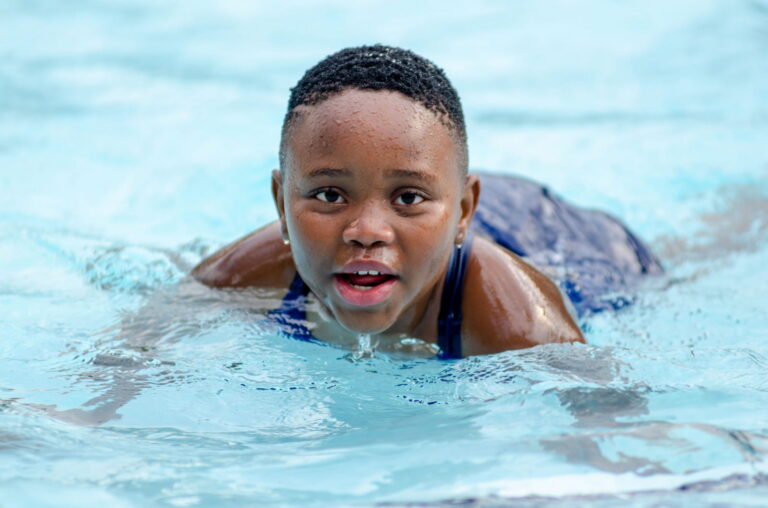
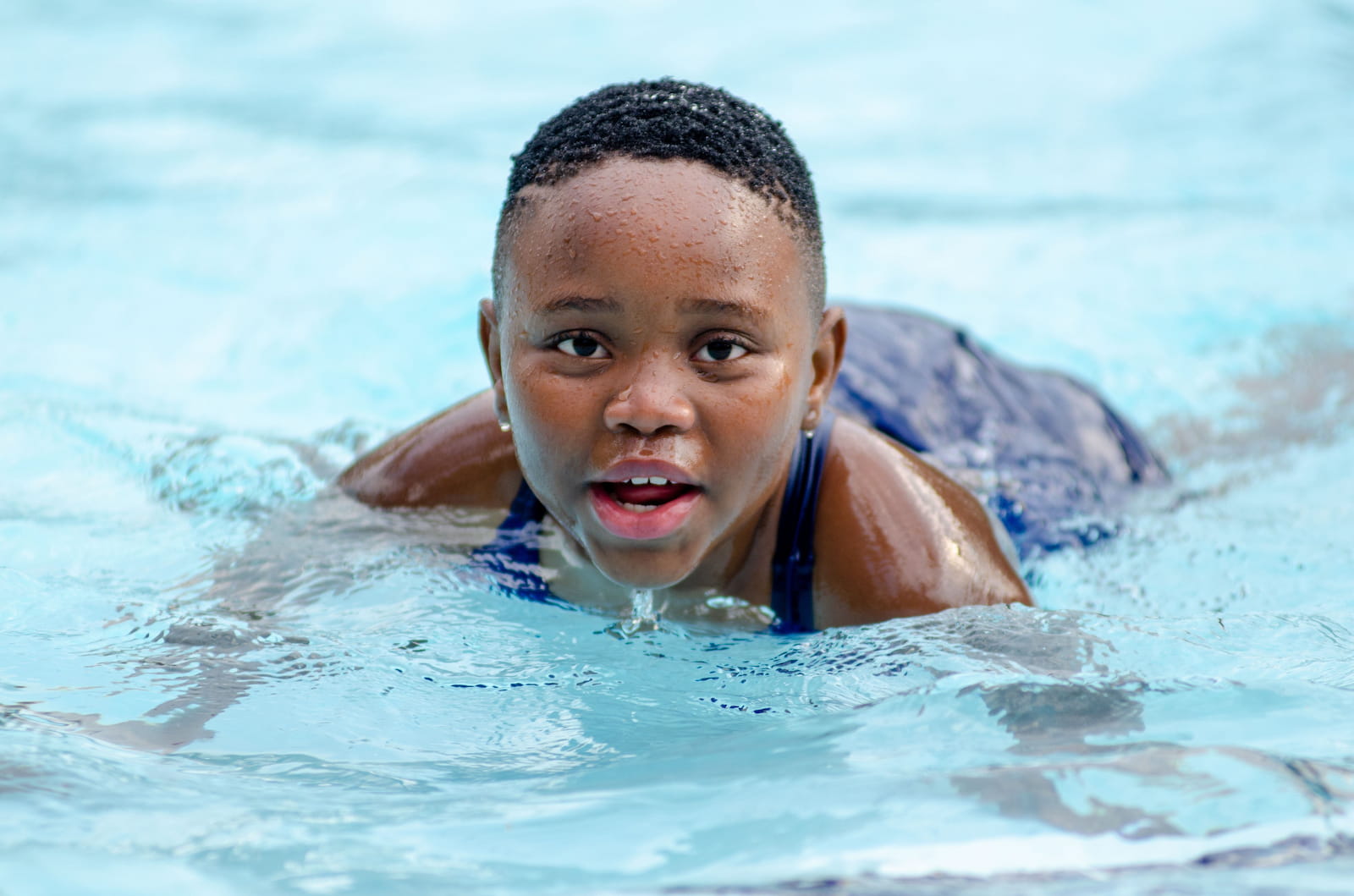
Aquatic training was another activity associated with significant improvements.
The analysis found large improvements in balance, locomotor skills and object control among children participating in aquatic interventions.
Swimming and water-based activities require children to coordinate movements of their arms, legs, and core while adapting to the water’s resistance. Activities in the pool can also give children opportunities to practice movement in a different environment.
Of course, water safety is essential. Children should always be appropriately supervised around water, and swimming lessons should be provided by qualified instructors.
RELATED: 3 Early Autism Prevention Activities for Your Baby
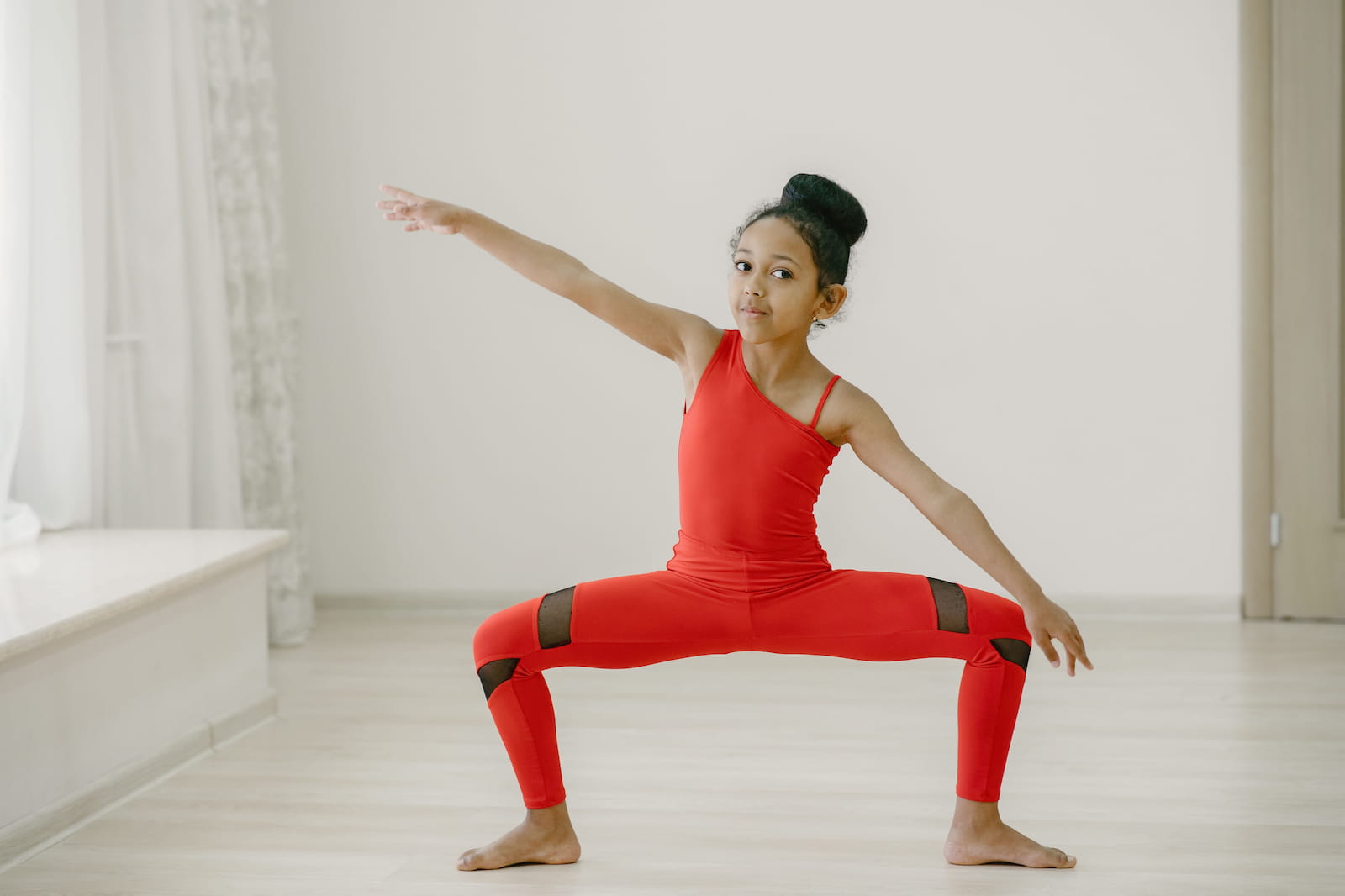
Gymnastics may also help children develop foundational movement skills.
According to the analysis, gymnastics interventions were associated with improvements in balance and bilateral coordination—the ability to coordinate both sides of the body together.
Gymnastics activities can involve jumping, rolling, climbing, balancing and moving through different positions. These exercises may give children repeated opportunities to practice body control and movement planning.
A recreational gymnastics program doesn’t have to be highly competitive to be beneficial. For some children, a beginner-level class focused on participation and skill-building may be a better fit.
Trampoline-based activities were also linked to improvements in balance and bilateral coordination.
Jumping requires children to maintain their body position while coordinating movements between the upper and lower body. Repeated jumping activities may also help children practice controlling their movements and adjusting their balance.
Make sure to prioritize safety when considering trampoline activities. Children should use appropriate equipment and supervision, and activities should be tailored to their developmental and physical abilities.
Table tennis may be another option for children who enjoy activities involving a ball and paddle.
The analysis found that table tennis improved gross motor skills in the studies reviewed. Because the activity requires children to track an object, position their bodies and coordinate their arm movements, it can provide opportunities to practice several movement skills at once.
Table tennis can also be adapted to different skill levels, allowing players to start with simple activities before progressing to more complex play.
Across the different sports included in the analysis, balance was the motor skill that improved most consistently.
Balance is an important foundation for many everyday movements. It helps children walk, run, climb stairs, navigate playground equipment and participate in games and physical activities.
Improving balance and coordination may also give children greater confidence when moving through their environment and participating in activities with other children.
Don’t feel pressured to choose a particular sport simply because research suggests it may improve a specific motor skill.
Every child with autism is different. An activity that works well for one child may not be enjoyable or comfortable for another.
Sensory preferences, communication styles, physical abilities and interests can all influence which activities are a good fit. Some children may love the repetitive movements of martial arts, while others may prefer the water, jumping on a trampoline or playing a game of table tennis.
The goal doesn’t have to be competition or athletic performance. Recreational programs can provide valuable opportunities for children to move, practice skills and have fun.
You may also want to talk with your child’s pediatrician, physical therapist, or occupational therapist when determining which activities are appropriate, particularly if the child has specific motor or physical challenges.
While the findings are encouraging, the researchers caution that more research is necessary. The analysis included only 11 clinical trials, and larger, higher-quality studies are needed to better understand which sports are most effective, how frequently children should participate and how long the benefits may last.
Still, the findings add to evidence suggesting that organized sports can be more than just a way for children to stay active.
One study author noted that “organized sports-based interventions may offer benefits beyond recreation for children with autism by supporting motor skill development.”
For families, that can be an encouraging takeaway. Whether it’s swimming, martial arts, gymnastics, table tennis or another activity, finding a sport that matches your child’s interests and abilities can create an opportunity to build movement skills while having fun. With the right support and an environment that meets your child’s needs, physical activity can become a positive part of their routine—not another source of pressure.


By subscribing, you consent to receive emails from BlackDoctor.com. You may unsubscribe at any time. Privacy Policy & Terms of Service.