What are the best ways to achieve greater kidney health? How much do you know about your kidneys?
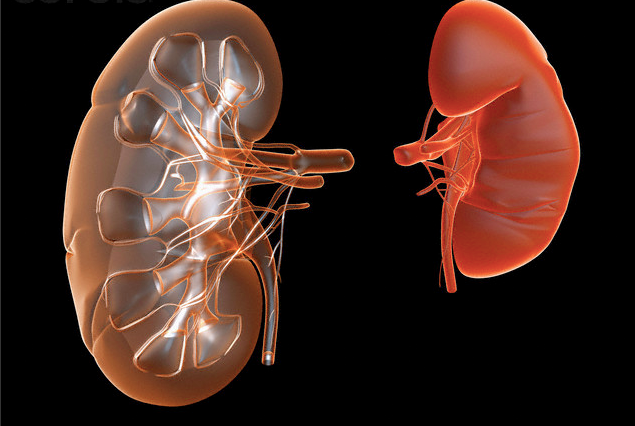
The kidneys, two organs located on either side of your spine just above the waist, perform several life-sustaining roles. They cleanse your blood by removing waste and excess fluids, maintain the balance of salt and minerals in your blood, and help regulate blood pressure.
Each bean-shaped kidney is four to five inches long and contains about a million nephrons, which are like tiny pouches. Each nephron has a filter at one end, called a glomerulus, to filter your blood. Your overall kidney function can be measured by how quickly blood is filtered through these glomeruli. This measurement is called the glomerular filtration rate.
When the kidneys become damaged, waste products and fluid can build up in the body, causing swelling in your hands and feet, shortness of breath, and problems with urination. If left untreated, diseased kidneys may eventually stop functioning completely. Loss of kidney function is a serious — potentially fatal — condition.
RELATED: Eat These Fruits, Your Kidneys Will Thank You
RELATED: 15 Foods To Avoid When Your Kidneys Are In Trouble
There are six steps you can take to help protect the health of your kidneys:

Kidney health is mostly about prevention – learning which foods to eat and avoid, as well as talking with your doctor about the necessary diagnostic tests.
Drinking an adequate amount of water helps flush toxins and waste products from your body, reducing the risk of kidney stones and urinary tract infections.
It is also important to maintain a healthy diet. Maintaining a healthy diet consists of the following:

If you have diabetes, high blood pressure, or a family history of kidney failure, get your blood and urine checked for kidney disease.
Diabetes is a leading cause of kidney disease. It is important to work closely with your healthcare provider to
manage your blood sugar levels and prevent kidney complications.

High blood pressure can damage the blood vessels in the kidneys. Regularly monitor your blood pressure and take steps to keep it within a healthy range through lifestyle changes or medication if prescribed by a doctor.
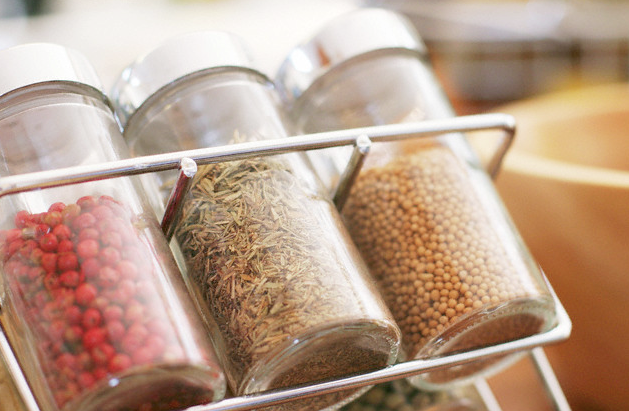
High sodium intake can raise blood pressure and strain the kidneys. Limit processed foods and use herbs and spices for flavor instead of salt.

For those recently diagnosed with kidney disease, find out about the basics of kidney disease and what it means for you. Individual needs may vary, so it’s always a good idea to consult with a healthcare professional before making significant changes to your diet, exercise routine, or medication. If you have existing kidney issues or concerns, your doctor can provide personalized guidance.

Talk to loved ones with diabetes and high blood pressure about getting tested for kidney disease.
RELATED: 8 Signs Your Kidneys May Be Failing
If you have additional questions or concerns about how to protect your kidneys, always consult with your doctor. Your doctor can also help you make the following additional lifestyle changes to protect your kidneys and overall health:


By subscribing, you consent to receive emails from BlackDoctor.com. You may unsubscribe at any time. Privacy Policy & Terms of Service.