Waiting for an organ transplant can be like running a marathon race. In particular, kidney transplant candidates have to wait three to five years for a transplant. However, Black people have a much longer wait time than white patients. According to United Network for Organ Sharing minority affairs committee member, Dr. Paulo Martins, for years “Black patients have started at 5 miles behind.” These numbers point to the daunting reality that Black Americans Americans disproportionately accounted for America’s renal failure patients, even though they make up less than 20% of the population. Due to this, Black patients are more likely to die from kidney disease.
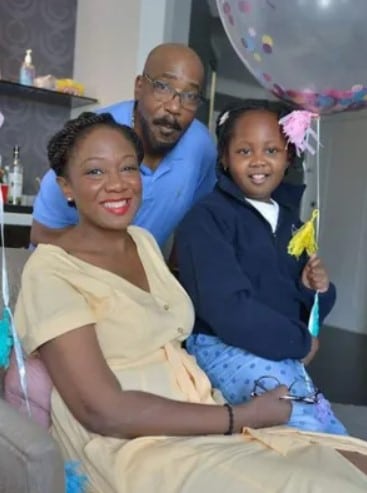
It’s a hard pill to swallow for wife and mother of one, Kristal Higgins, who’s been diagnosed with kidney disease. Several members of her immediate family have suffered from the chronic condition and even died from it.
A kidney function test, commonly known as the eGFR test, has miscalculated the severity of the disease in patients for years. Higgins’ situation was no different. The test kept her waiting six long years before she finally could get a kidney transplant. Her experience led her to speak out against the healthcare system and advocate for earlier screenings. In the end, she hopes her story will help save more lives from kidney failure.
RELATED: Is Chronic Kidney Disease Reversible?
Years ago, Kristal Higgins looked forward to what the future had in store for her. The mother of one had plans to travel to Greece and become a licensed nurse. Life was going well for Higgins. Unfortunately, her plans were cut short after doctors diagnosed her with kidney failure.
Making matters worse, the chronic disease runs in Higgins’ family. Currently, her mother has stage 2 kidney disease and her father, who has diabetes, is at high risk for developing the illness. Even several of her relatives, including her late grandmother, suffered from kidney disease.
Additionally, one of Higgins’ good friends passed away from the chronic disease back in 2020 because the disease was caught too late.
Kristal Higgins found herself fearing she’d have the same fate as her friend and family members who’d all passed away from the disease. She waited six long years to finally qualify as a kidney transplant candidate and receive an organ donation.
However, the fact remained that she endured such a long and stressful wait time compared to other patients. During that time, Higgins drove 40 miles roundtrip from Memphis to Olive Branch, Mississippi to receive her dialysis treatments three times a week.
Not to mention, she spent several dollars on van transportation because she felt uncomfortable driving herself. Higgins remained in a constant state of fear and stress for several years, all because of the eGFR tests.
RELATED: Why African Americans Are Waiting Longer for a Kidney Transplant
Unfortunately, life throws curve balls at us. However, Higgins’ curveball threw her for a serious loop. In general, Black people are almost four times as likely to be diagnosed with renal failure as white people. However, they often receive a late diagnosis, which in turn, leads to a longer wait time on getting a transplant. In particular, some eGFR tests have “a race variable that can detect if a person identifies as African-American or not.”
Even worse, it can overestimate and underestimate kidney function in Black patients. Unfortunately, this can lead to miscalculations of the severity of the disease, result in a late diagnosis, and could even delay kidney transplants for patients like Kristal Higgins. Additional research shows that “race-inclusive eGFR calculations can disadvantage Black people with kidney disease by erroneously estimating that they have a higher level of kidney function than people with a race-neutral eGFR result.”
Furthermore, the tests have drawn much scrutiny from health experts and led many to make changes. For instance, the Organ Procurement and Transplantation Network board recently approved a waiting time adjustment for Black patients.
According to Dr. Martha Pavlakis, the nephrologist and kidney transplantation committee chair at the network says, “It’s a restorative justice project in medicine.”
In turn, the policy will backdate the waiting time of Black kidney transplant candidates who’ve been waiting years for an organ donation. Furthermore, the policy requests kidney transplant programs to identify and notify the Black candidates who should’ve made the lists sooner. Now programs have a year to give the names of patients and apply to the network for waiting time adjustments.
While Kristal Higgins received her transplant at a later date, she wishes a policy such as this existed six years ago. The mother of one and wife now wonders “what if my time could’ve been shortened?”
Fortunately, Kristal Higgins found herself in good hands after becoming a patient advocate at The National Kidney Foundation. Furthermore, the organization promotes awareness of the chronic disease and seeks funding for effective treatment options.
More importantly, they’ve had a hand in carrying out the new policy mandate for more improved eGFR tests and helping patients receive kidney transplants sooner than later. Now, the nursing student hopes that others won’t have to go through the same struggles she did to receive a kidney transplant.


By subscribing, you consent to receive emails from BlackDoctor.com. You may unsubscribe at any time. Privacy Policy & Terms of Service.