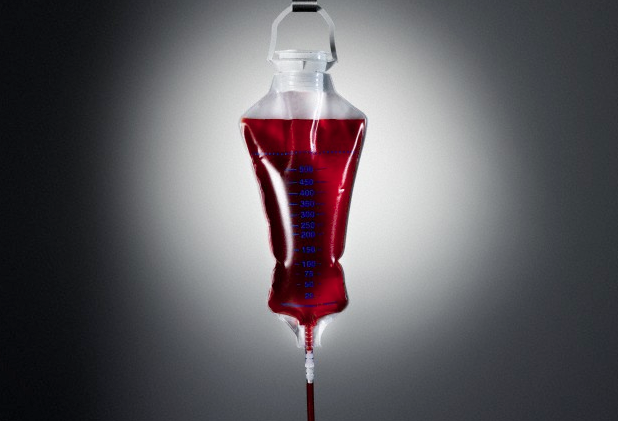
What are blood transfusion risks?
Blood transfusion errors can occur in about 1 out of 14,000 transfusions. Most transfusion reactions occur because of errors made in matching the recipient’s blood to the blood transfused.
Why?
These administrative errors may occur because of mislabeled blood samples or misread labels. Even receiving the correct blood type sometimes results in a mild transfusion reaction.These reactions may be mild or severe.
There are several immune-related transfusion reactions:
What is Fluid Overload?
Fluid overload is a common type of nonimmune reaction.
Very rarely, a person can develop iron overload after having many repeated blood transfusions. This condition is often treated with medicine.
What are the Risks of Infection?
The transmission of viral infections, such as hepatitis B or C or HIV, through blood transfusions has become very rare because of the safeguards enforced by the FDA. The risk of infection from a blood transfusion is higher in less developed countries, where such testing may not happen and paid donors are used.
It is possible for blood to be contaminated with bacteria or parasites. Bacterial contamination can happen during or after donation. Donated blood might have a parasitic infection. Transfusion with blood that has bacteria or parasites can result in a systemic infection. But this risk is small.
The risk of a bacterial infection in donated blood is small because of the precautions taken in drawing and handling blood. There is a greater risk of bacterial infection from transfusions with platelets. Unlike most other blood components, platelets are stored at room temperature. If any bacteria are present, they will grow and cause an infection when the platelets are used for transfusion.


By subscribing, you consent to receive emails from BlackDoctor.com. You may unsubscribe at any time. Privacy Policy & Terms of Service.