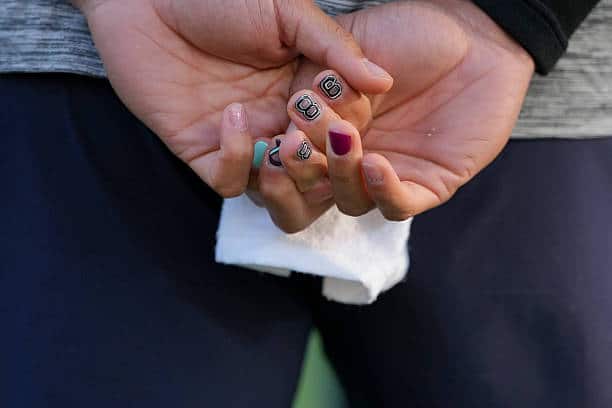
Chicago Bears quarterback Caleb Williams is known for painting his fingernails before games, but his latest choice carried a deeper message. During a recent Monday Night Football matchup against the Minnesota Vikings on “988 Day” (September 8), the 23-year-old used his platform to spotlight suicide prevention. The date honors the 988 Suicide & Crisis Lifeline, which has handled more than 14 million calls, texts, and chats since its launch and now operates 24/7 with over 200 crisis centers nationwide.
Yet, despite its reach, awareness remains low. A poll from the National Alliance on Mental Illness found only 23 percent of Americans are familiar with 988, and just three percent say they or a loved one has used it. Williams, who has long spoken out about mental health and runs the Caleb Cares Foundation to promote awareness, diversity, and anti-bullying, is determined to change that.
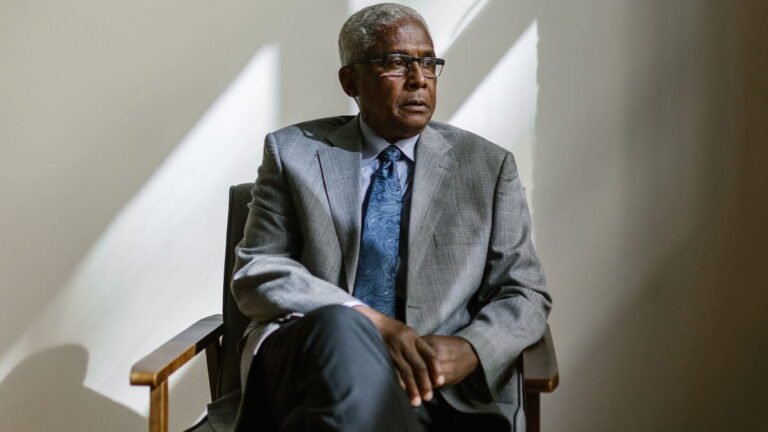
BlackDoctor spoke with Vic Armstrong, Vice President for Health Equity and Engagement at the American Foundation for Suicide Prevention, about how athletes like Williams are helping push mental health into the spotlight and connect more people with lifesaving resources.
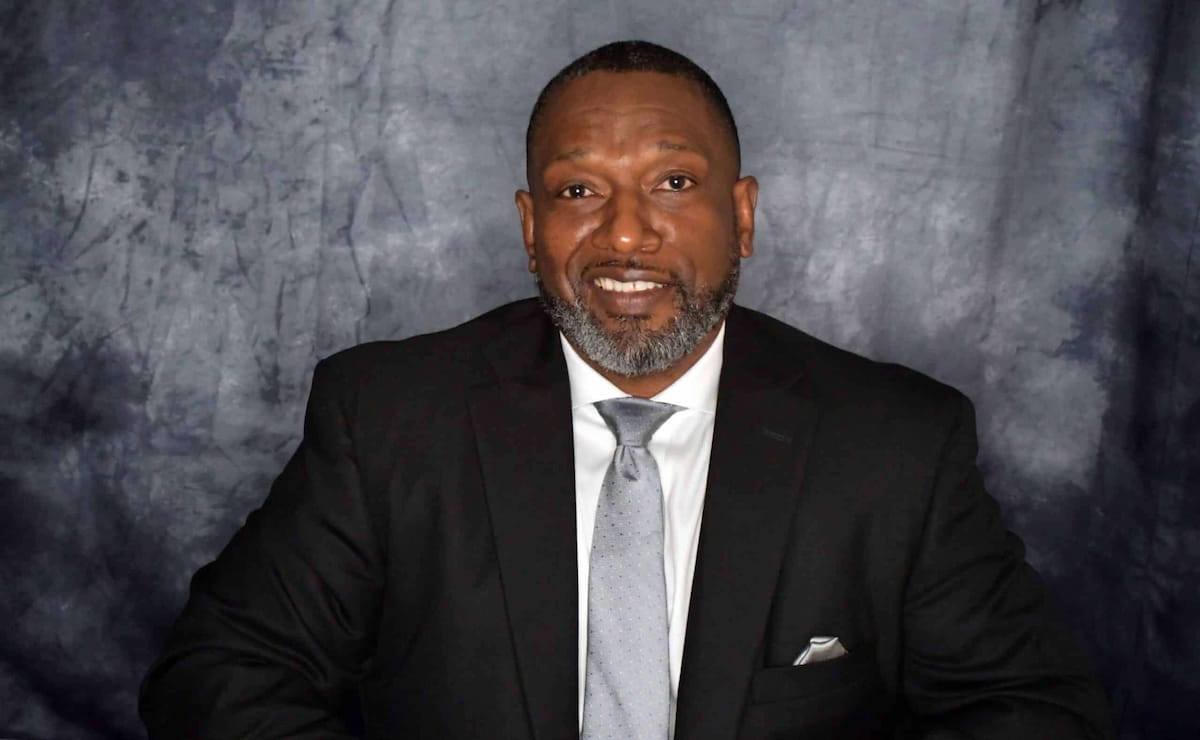
Athletes who are high profile – like Caleb – can use their platforms to break the silence around historically taboo topics like mental health. They can also shift norms. Seeing someone like Caleb, who is admired with perceived strength can validate feelings of those struggling with their mental health. It gives everyday people permission to admit they may be struggling, especially among Black men. By painting his nails with the numbers 988, Caleb showed vulnerability, encouraged help-seeking, and acknowledged that struggling with mental health is not a sign of weakness.
Seeing 988 painted on Caleb’s fingernails during a nationally televised football game could have prompted viewers to ask questions like:
This curiosity can spark conversations about topics like suicide prevention, mental health, resources, and the importance of help-seeking. This moment could have also encouraged viewers to check in on themselves and their loved ones.

Caleb Williams is a role model to a lot of young fans, especially younger people of color. Seeing someone who looks like them and/or may come from the same background may send a message that they are accepted and belong.
This is not the only time Caleb has raised awareness about mental health for young people. He participated in the Seize the Awkward campaign, encouraging people to check in with their peers and have open conversations about their mental health. In collaboration with The Jed Foundation and the Ad Council — The American Foundation for Suicide Prevention (AFSP) worked with the Caleb Cares Foundation and the Annenberg School for Communication and Journalism at the University of California to develop a student-produced PSA. Caleb is one of many trusted messengers and celebrities who have lent their voices to share the message of Seize the Awkward since the campaign first launched in January 2018 by sharing personal stories about how talking with friends about mental health has made an impact.
National Suicide Prevention Month is a powerful reminder that there are steps we all must take in looking out for loved ones, the people in our community, and those who have been impacted by this leading cause of death.
It’s an important time to educate people about mental health and suicide prevention. By learning more about the warning signs and risk factors of suicide, taking proactive steps to safeguard our mental health, learning more about the resources that are available, as well as encouraging help-seeking – we can empower our friends, family, colleagues, and communities to support one another should a crisis occur.
I hope people take away four things with them this month and all year round:
Anyone, anywhere in the U.S., can call, chat, or text 988 and receive resources and support during a suicide, mental health, or substance use crisis. Connecting a national network of over 180 independently operated state and local crisis call centers, 988 links callers throughout the U.S. to immediate crisis care.
If someone is in crisis, they can text, call or chat with the 988 Lifeline. The line is available 24/7, free, and confidential. There are counselors available to listen and support without judgment. Here’s what someone can expect when they call, text, or chat with the 988 Lifeline:
Sometimes we might worry that saying the wrong thing to someone who is struggling with their mental health and/or is at risk for suicide will make it worse. So, we end up not saying anything – even though a few kind words can make the difference in connecting someone to help or supporting someone who experienced a suicide loss.
Everyday conversations play a crucial role in breaking down stigma around mental health and suicide because they normalize discussions about these topics, encourage help-seeking, and spread awareness about warning signs for suicide, available resources and how to support people.
Athletes are performers, so everything they do on and off the field is for impact. When I see athletes like Caleb highlighting suicide prevention through his fingernails, it’s a signal that it’s okay for everyone to reach out and ask for help. The growing number of male athletes, in particular, speaking openly about mental health is helping to shift public attitudes away from traditional socialization of keeping your head down and mouth shut, as well as staying strong to showing strength in affection, vulnerability, and help-seeking.
In addition to normalizing mental health conversations and referring people to 988, it is crucial that organizations and communities continue to increase awareness of resources for public health and safety. A couple of examples of how this can be done include:
Having conversations about mental health is an important way we can be there for our loved ones. All it takes is a willingness to be open, honest and present with them.
First, trust your gut if you think someone’s having a hard time; have a conversation with them privately. Start with an expression of care, followed by an observation. For example, you can say something like “I care about you and I’ve noticed you haven’t been yourself lately. You seem more frustrated than you’ve been in a while, and I’m wondering how you’re doing.” If they tell you they are having a hard time, reassure them that it’s ok to talk about it by saying something like “You know what? Everyone goes through periods in their life when they’re struggling. But just because you’re struggling now doesn’t mean you’ll always feel this way. What’s the worst thing about what you’re going through right now?” Make sure to mention that getting help from a mental health professional can truly make a big difference in their situation.
Your loved one might worry that sharing how they feel will be a burden to you. They might say something like, “You must be sick of hearing about all of this,” or, “I don’t want to saddle you with my problems.” You can tell them, “Not only am I not sick of it, but I care about you, so I want to be there for you. I get that life is complex – so I’m here to listen and support you.”
If you suspect your loved one might be more comfortable talking with someone else, you can offer to help connect them by saying, “Is talking to me about this helping you right now? Or is there someone else you’d feel more comfortable with, who we can bring in to help support you?”
No matter which route your conversation goes, end the conversation by reiterating that you are so glad for the chance to connect on this deeper level about such meaningful things in life. Remind them that we all have challenges at times, and that you’ll continue to be there for them.
In observance of National Suicide Prevention Month – and all year round – there are a number of ways people can protect their mental wellness, including:


By subscribing, you consent to receive emails from BlackDoctor.com. You may unsubscribe at any time. Privacy Policy & Terms of Service.