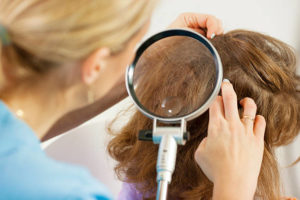
There’s been a long-time myth that Black people cannot get lice. Well, that’s not entirely true. Although the numbers are low, Black people can get infested.
RELATED: Top 5 Home Remedies for Head Lice
A study, shows that about 10 percent of White children got lice compared to 0.3 percent of Black children.
There are several reasons that getting lice is rare for Black people. For starters, Europeans are the ancestors of lice. They brought it into America in the 19th century.
Second, the shape of African American hair plays a major part in lice being rare.
White people tend to have a round-cross shape while Black people tend to have more of an oval shape.
Since lice crawl along a hair shaft and glue their eggs, this typically prevents Black people from developing lice because the lice have a hard time grasping their hooks onto the shaft.
However, there are lice in Africa that have adapted to the oval shape.
One myth is that cultural oils also play a role in Black people rarely developing lice. While they can serve as a deterrent, many patients who used particular styling products still developed lice.
Now that we know Black people are not exempt from getting lice, here are the risk factors to look out for:
Lice can be transmitted through the following:
RELATED: Doctors Warn Against Lice Hiding In Eyelash Extensions
While lice treatment for African Americans is primarily the same, it can be more time-consuming. Prior to treatment all hair extensions, weaves, wigs, etc. must be removed in order for the treatment to work because they can be a place for the lice to hide and seek shelter. Next, all live bugs must be killed or removed from the hair. No treatment can kill all the laid eggs, so those must be removed as well. Professionals recommend using a grade nit comb such as the Terminator for this.
Straightening the hair and using oils can speed the process up and make combing easier, especially for tender-headed people.
RELATED: Straightening Systems For Smooth, Frizz-Free & More Versatile Natural Hair
Those that have dreads might have more of a challenge. In most cases, removal of the dreads by cutting is necessary to ensure that the treatment can be completed properly. The next option would be for the person to unlock their dreads before treatment. While there are a lot of products available to assist with this, most patients opt to remove their dreads before the treatment.
If you don’t want to cut your dreads, try these options:
RELATED: Apple Cider Vinegar: 13 Uses For It That Will Change Your Life
If you do come in contact with lice, you can also contact your nearest clinic for the best treatment options.


By subscribing, you consent to receive emails from BlackDoctor.com. You may unsubscribe at any time. Privacy Policy & Terms of Service.