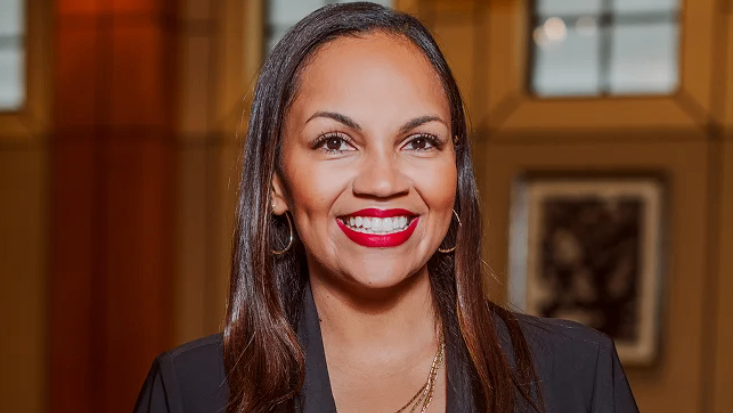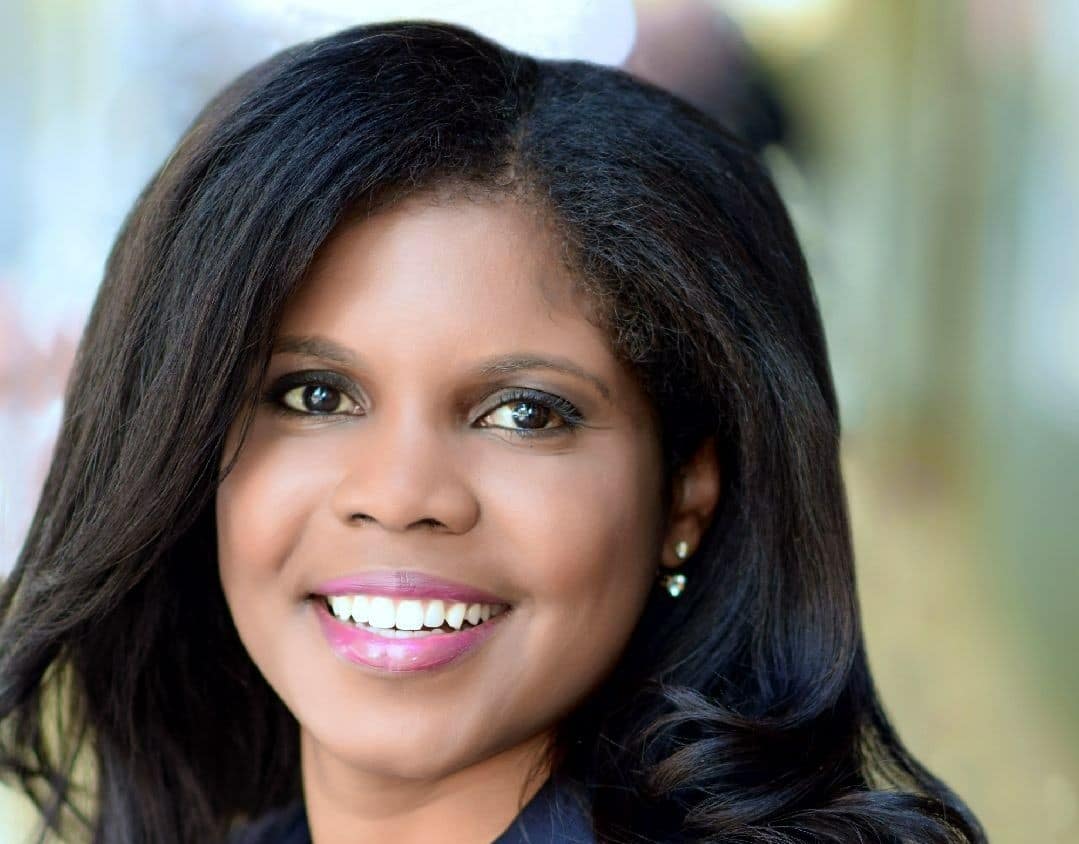
Clinical research plays a critical role in advancing medicine, yet a long-standing issue persists—diversity in clinical trials remains lacking. Nadine Spring, a public health professor and CEO of SpringWell 360, is actively working to change this reality.
Spring’s path into clinical research was unplanned. As a first-generation college graduate with a biology degree, she started as a research assistant at Mount Sinai School of Medicine.
“I didn’t go in thinking I would end up in public health or clinical research. I graduated with a degree in biology and got my first job as a research assistant at Mount Sinai School of Medicine. It was entry-level, but I fell in love with it,” Spring shares.
Over time, she pursued further education in public health and clinical research, eventually becoming a director of clinical trials. However, throughout her career, she noticed a troubling pattern: clinical trial participants were overwhelmingly white men, despite many of the studies targeting conditions disproportionately affecting people of color.
“They were often white men, and here I was, someone who looked like me, recruiting for studies that disproportionately affected people of color. But the participants didn’t match the people who lived with these conditions every day,” Spring adds.
That realization changed everything for Spring.
“When I did my dissertation for my doctorate at Walden University, I focused on how strict inclusion criteria in research studies often exclude the very people who need these treatments most. I knew I had to do something to fill that gap and advocate for more equitable practices in clinical research,” Spring says.
RELATED: Black Women and Clinical Trials: “We Have a Story to Tell”
Spring highlights several key obstacles that prevent communities of color from participating in clinical trials:
Historical injustices, such as the Tuskegee Syphilis Study and the unauthorized use of Henrietta Lacks’ cells, have led to deep-seated mistrust. These unethical experiments harmed Black communities, and their legacy continues to impact perceptions of clinical trials today.
“There’s a lot of mistrust of the medical system, of researchers, of scientists—and unfortunately, that mistrust is rightfully so,” Spring explains. “We all know the historical injustices that have happened in the name of research.”
“We had what happened in Tuskegee, where there was already a known treatment for syphilis that could have cured these men, that could have helped them. But this study—sanctioned by the United States government—intentionally withheld treatment. These men suffered, and their stories linger,” Spring adds.
Then there’s Henrietta Lacks.
“Her cells were taken without her consent, and they led to so many vaccines and therapeutic agents. Companies made billions of dollars off them. But her family? They never saw a dime until a few years ago when there was finally a settlement,” Spring says.
And what about Dr. J. Marion Sims, the so-called “father of gynecology”?
“He experimented on Black enslaved women, often without anesthesia,” Spring notes. “Much of what we know about gynecology today comes from his work—but at what cost?”
With all of these injustices, Spring completely understands why there’s mistrust.
“Now we have things in place to prevent this kind of exploitation. We have IRBs [Institutional Review Boards], we have ethics committees, we have laws to make sure this never happens again. But still, the distrust remains,” Spring shares.
Beyond mistrust, there’s also a lack of awareness. Many people in underserved communities don’t even know clinical trials are an option for their care.
“A lot of people go to their doctor, and their doctor never tells them, ‘Hey, there’s a clinical trial for hypertension, or sickle cell, or cancer, and you may benefit from it,’” Spring notes.
Some clinical trial inclusion criteria unintentionally exclude diverse populations, making it difficult for people of color to qualify for studies that could benefit them.
There are also logistical challenges—transportation, caregiving responsibilities, and financial constraints. If research visits only happen during work hours, how do people take time off? If they live two hours away from a research site, how do they get there?
“Let’s talk about the eligibility criteria. A lot of clinical trials have these strict rules that end up excluding people who look like me. Sometimes it’s unintentional, but the result is the same—diverse participants get disqualified,” Spring says.
To address these challenges, Spring emphasizes the importance of community engagement. She urges pharmaceutical companies to invest in underserved communities beyond recruitment efforts—by supporting local organizations, churches, and community programs, they can build trust over time.
“I think pharmaceutical companies need to be in it for the long haul,” Spring shares. “They can’t just come into our communities when they need something and then disappear.”
Healthcare providers also play a crucial role. Doctors need better training in discussing clinical trials with patients and should ensure that educational materials are culturally competent.
“If you’re trying to recruit people from my community, but your brochures only show white patients, you’ve already lost me,” Spring explains. “I need to see people who look like me. I need to see kids who look like my kids. And materials should be available in multiple languages, not just English.”
For those hesitant about participating in clinical research, Spring reassures them that today’s clinical trials are heavily regulated to prevent past abuses. IRBs and ethics committees ensure patient safety, and participants can withdraw from a study at any time.
“Participating in a clinical trial can actually mean better care than standard treatment,” Spring explains using migraines as an example.
“Let’s say you go to your doctor for migraines. They prescribe you something, you take it, and that’s it. But if you’re in a clinical trial? You have a whole extra layer of people checking in on you. Every little thing—if you sleep better, if you get a rash, if your appetite changes—it’s all documented,” Spring shares.
Spring always encourages people to:
“And remember, if at any point you don’t want to continue, you can stop. You are always a volunteer. You have full control,” Spring adds.
Through her health equity firm, SpringWell 360, Spring is making a significant impact.
“One of our recent successes was partnering with a clinical research site in Stonecrest, Georgia. We helped them meet their enrollment goals for diverse participants, thanks to targeted strategies,” Spring says.
SpringWell 360 is also developing online courses to train clinical researchers in culturally competent engagement strategies.
“Right now, a lot of the training isn’t hitting the mark—especially when it comes to Black maternal healthcare. We need to do better,” Spring notes.
RELATED: This Black Woman Went From Stage 3 Breast Cancer to Clinical Trials Advocate
As Women’s History Month celebrates trailblazing women, Spring offers a powerful message to young Black women considering careers in public health and research:
“Your voice is needed. The work you do can bring about real change. Don’t let imposter syndrome or lack of representation hold you back—you belong in the rooms where decisions about public health are made.”
Spring recommends:
“Remember, your perspective is valid, essential, and shaping the future of healthcare. Someone’s quality of life—someone’s longevity—could depend on the work you do,” Spring concludes.
For those interested in learning more about SpringWell 360, visit:


By subscribing, you consent to receive emails from BlackDoctor.com. You may unsubscribe at any time. Privacy Policy & Terms of Service.