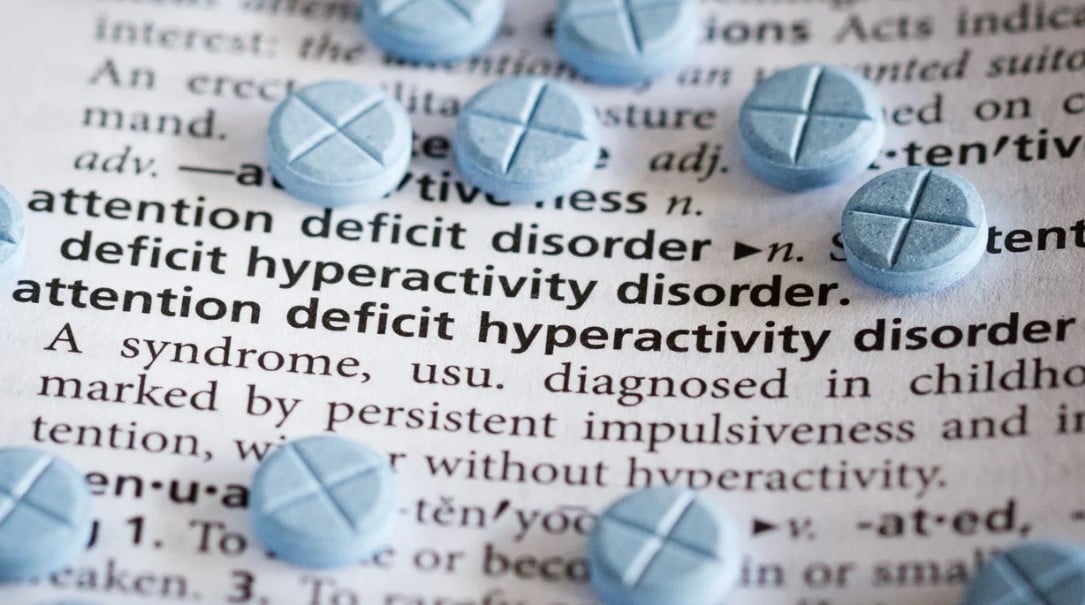
The anticipation of a new school year often brings a mix of excitement and preparation for parents. However, for those raising children with Attention Deficit Hyperactivity Disorder (ADHD), this year presents an unexpected hurdle: a shortage of ADHD medications. As parents gear up for the challenges ahead, it’s crucial to be equipped with practical strategies that can help your child succeed despite the medication scarcity.
For nine months, patients have had difficulty finding and filling prescriptions for Adderall. While demand for prescription stimulants is surging, a shortage of the drugs persists, so federal officials have stepped in and asked drug companies to ramp up production of the medications. This has left millions who rely on these drugs with uncertainty.
Officials from both the U.S. Food and Drug Administration and the U.S. Drug Enforcement Administration (DEA) made the joint request.
“The FDA and DEA do not manufacture drugs and cannot require a pharmaceutical company to make a drug, make more of a drug or change the distribution of a drug,” FDA Commissioner Dr. Robert Califf and Drug Enforcement Administration leader Anne Milgram wrote in a letter. “That said, we are working closely with numerous manufacturers, agencies and others in the supply chain to understand, prevent and reduce the impact of these shortages.”
The agencies are also asking prescribers to carefully monitor their prescribing practices.
“The lack of availability of certain medications in recent months has been understandably frustrating for patients and their families,” Califf and Milgram wrote in their letter.
RELATED: ADHD: Treating Your Child Without Medication
Supply chain disruptions, increased demand, and production challenges have all contributed to the current predicament.
The FDA first announced a shortage of Adderall last October; that medication is commonly used for those with attention deficit hyperactivity disorder (ADHD).
The DEA limits the amount of stimulants that can be produced, but manufacturers haven’t been reaching that upper limit, the joint letter noted. A 2022 analysis found they were 30% short of the quota.
The agency is asking manufacturers to relinquish any quota they can’t meet so the DEA can redistribute it, while it is “committed to reviewing and improving” the quota process.
The letter also highlights the “widespread misuse” of prescription stimulants and calls for accelerated efforts to
appropriately diagnose and treat ADHD.
“We will consider additional actions to prevent non-medical use and identify efforts to better understand and strengthen the supply chain,” Califf and Milgram wrote. “We also hope that we can all work together to assure that those who need stimulant medications can get them based on the best clinical knowledge about when they are effective, and avoid them when there is no indication for their use.”
While the exact causes may vary, it’s essential for parents to be aware of the broader context shaping this issue. If you’re navigating the tricky waters of the ADHD medication shortage, we understand the challenges you’re facing. Here are some tips to help you navigate this situation.
Maintaining open lines of communication with your child’s healthcare provider is paramount during times of medication shortage. Reach out to your doctor to discuss the situation and explore potential solutions. They may be able to recommend alternative medications, adjust dosages, or suggest temporary changes in treatment plans. Collaboration with a medical professional ensures that any adjustments are made with your child’s well-being in mind.
The ADHD medication shortage might require you to seek out alternative strategies to manage your child’s symptoms. Consider implementing behavioral interventions, such as structured routines, task lists, and time management techniques. Collaborate with your child’s school to create an environment that supports their specific needs. Teachers can play a pivotal role in providing accommodations that cater to your child’s learning style and attention span.
While medication can be an important part of managing ADHD, it’s not the only approach. Take this opportunity to focus on promoting healthy lifestyle habits that can complement your child’s well-being. Regular physical activity, a balanced diet, and sufficient sleep have all been shown to positively impact ADHD symptoms. Engaging in outdoor activities, reducing screen time, and encouraging hobbies can provide alternative outlets for excess energy and improve overall focus.
The ADHD medication shortage may lead to emotional challenges for both parents and children. It’s important to create an environment that fosters emotional resilience and open communication. Encourage your child to express their feelings and concerns. Consider involving them in discussions about their ADHD and the medication shortage, helping them understand the situation and feel empowered in their journey.
Navigating the ADHD medication shortage can be isolating, but remember that you’re not alone. Reach out to support groups, online communities, and local organizations that specialize in ADHD. These networks can provide valuable insights, emotional support, and shared experiences. If needed, consult a mental health professional who specializes in ADHD to explore additional coping strategies and interventions.
While the ADHD medication shortage presents a unique challenge, it also offers an opportunity for parents to embrace a holistic approach to managing their child’s condition. By maintaining effective communication, exploring alternative strategies, prioritizing healthy lifestyle habits, and fostering emotional well-being, parents can navigate this situation with resilience and ensure their child’s success both inside and outside the classroom. Remember, your unwavering support and dedication are key factors in helping your child thrive despite the challenges posed by the medication shortage.


By subscribing, you consent to receive emails from BlackDoctor.com. You may unsubscribe at any time. Privacy Policy & Terms of Service.