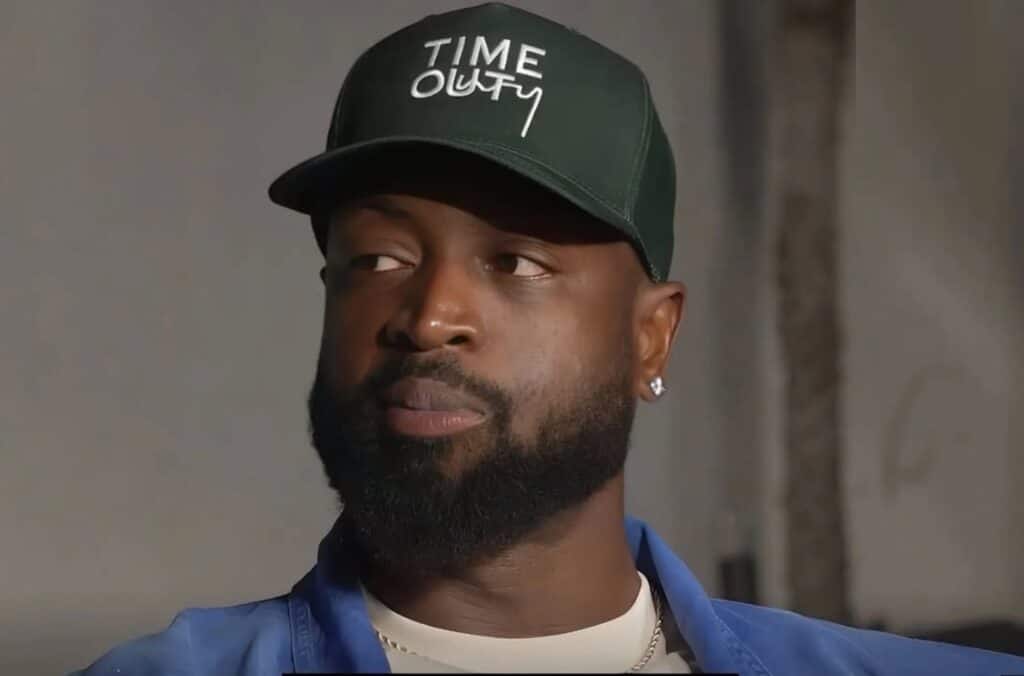
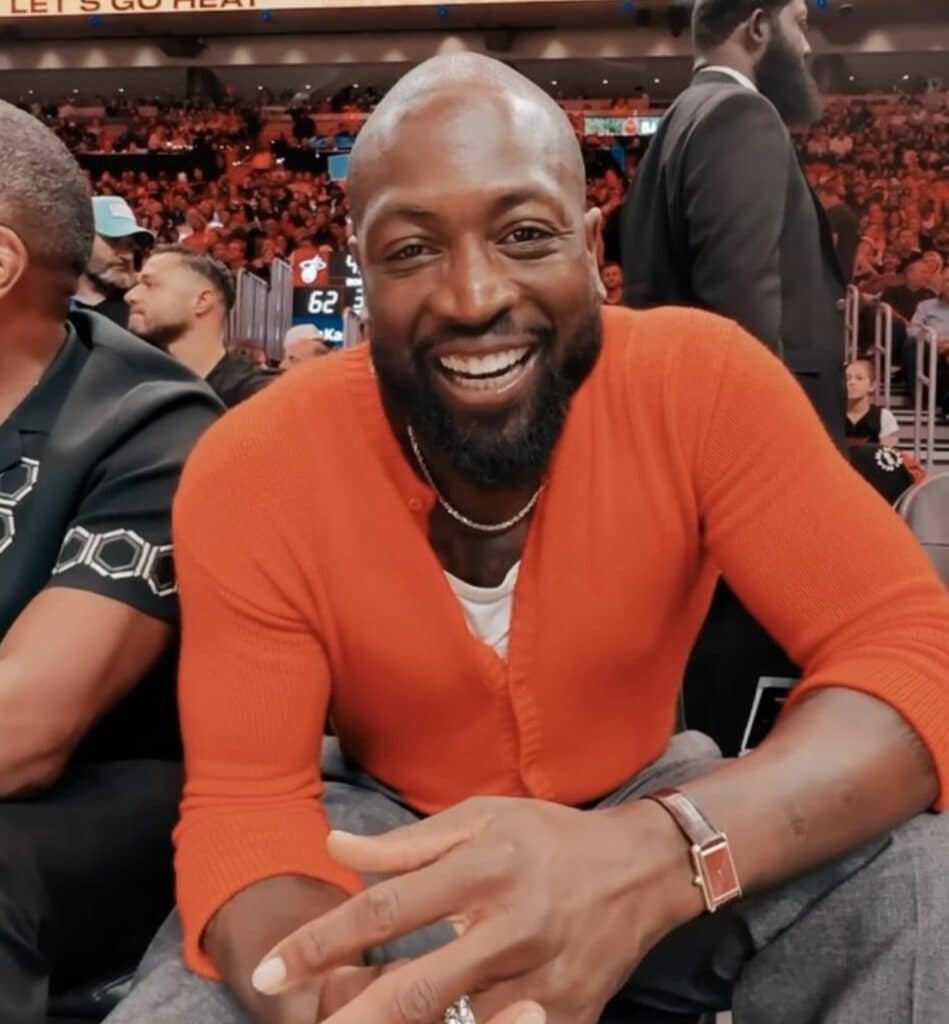
Retired NBA superstar Dwyane Wade is recalling how a routine checkup turned into a life-changing cancer diagnosis that forced him to confront his own mortality and ultimately led to the removal of 40% of his kidney.
The 43-year-old basketball player opened up about his health on the Jan. 30 episode of his podcast, “The Why With Dwyane Wade,”
The former Miami Heat franchise player learned of the diagnosis after years putting off his annual check-up. After reflecting on his father’s experience with prostate cancer, Wade finally made an appointment and explained that he had symptoms including stomach issues, cramps, and was urinating slowly.
Initially, Wade wasn’t expecting anything serious — just some answers to a few questions.
“Why is my p— coming out slow? Why is my stream ain’t powerful? Why is it a little weak?” Wade recalled.
“To find out that at 41 years old, pretty healthy guy, I had cancer — thank God I did do the surgery because the tumor was cancerous,” Wade said. “I have one kidney, and I have one kidney that is 60 percent. They took 40 percent of my kidney to make sure they got all the cancer off of it.”
His father, Dwyane Wade Sr., went through his own journey with prostate cancer, which motivated the former NBA star to go to the doctor. He said he went in without thinking about his kidneys, but a full-body scan revealed Wade had a “cyst/tumor” on his right kidney.
At that point it wasn’t confirmed that it was cancerous, but multiple doctors suggested surgery. The procedure took place on Dec. 18, 2023. It was tough physically, but also mentally.
“My own journey to have that surgery, I think it was the first time that my family, my dad, my kids, they saw me weak,” Wade said. “That moment was probably the weakest point I’ve ever felt in my life.
“The moments that I was by myself, I was struggling, dog. Struggling. And one thing you never want to do as a man is you never want your family to see you as weak. You don’t want to be perceived as weak and you don’t want to be seen in your weak moments. But I had to.”
“Stage 1 cancer… those words hit hard,” confessed Wade in his Instagram post. “…Fellas, this @wynetwork episode is personal. It’s my story, a reminder to face your fears, prioritize your health and get checked. Also, we never know what battles others are fighting.”
Black men have the highest lifetime risk of kidney failure in the United States. This is due to a number of factors, including high rates of diabetes, hypertension, and heart disease, as well as barriers to care.
Diabetes: A major cause of kidney disease that is more prevalent in Black Americans
Hypertension: A major cause of kidney disease that is more prevalent in Black Americans
Heart disease: A major cause of kidney disease that is more prevalent in Black Americans
APOL1 risk polymorphisms: A genetic factor that increases the risk of kidney disease in Black people
Access to care: Black Americans have less access to high-quality care, including kidney transplants
Insurance: Black Americans may have inadequate insurance coverage for kidney disease
Wait times: Black Americans wait longer than white patients for kidney transplants
Survival rates: Black Americans have lower rates of survival on the transplant waitlist and lower rates of graft survival after a transplant
Changes in Urination:
Swelling:
Other Symptoms:
Chronic Kidney Disease (CKD) is evaluated using two simple tests – a blood test known as the estimated glomerular filtration rate (eGFR) and a urine test known as the urine albumin-creatinine ratio (uACR). Both tests are needed to have a clear picture of your kidney health. When identifying your CKD stage, these tests usually need to be repeated to confirm long-term damage (lasting 3 months or more).
Having an eGFR less than 60 and/or a uACR higher than 30 for three months or more is a sign you may have kidney disease.
Wade, 43, also leaned on former Miami Heat teammate Alonzo Mourning, who had a kidney transplant as well.
“I saw everybody show up for me and be there for me and in that process. In my weakness, I found strength in my family, in my friends, in my group.”
Mourning was diagnosed during a routine physical examination before the 2000 Summer Olympics. He experienced symptoms such as swelling in his feet and legs, fatigue, and reduced athletic performance. After undergoing tests, he was diagnosed with FSGS.
In 2003, Mourning received a kidney transplant from his cousin, Jason Cooper. He returned to the NBA after his recovery and played for several more seasons.
Since his diagnosis, Mourning has become an advocate for kidney disease awareness. He has established the Alonzo Mourning Foundation, which provides support and resources to patients and families affected by kidney disease. Mourning has also worked to educate the public about the importance of early detection and treatment of kidney disease.
There’s no sure way to prevent kidney cancer, according to the Mayo Clinic. But you can reduce your risk by cutting back on tobacco, eating more fruits and vegetables, exercise, maintaining a healthy weight and monitoring high blood pressure.
Kidney experts recommend the following:


By subscribing, you consent to receive emails from BlackDoctor.com. You may unsubscribe at any time. Privacy Policy & Terms of Service.