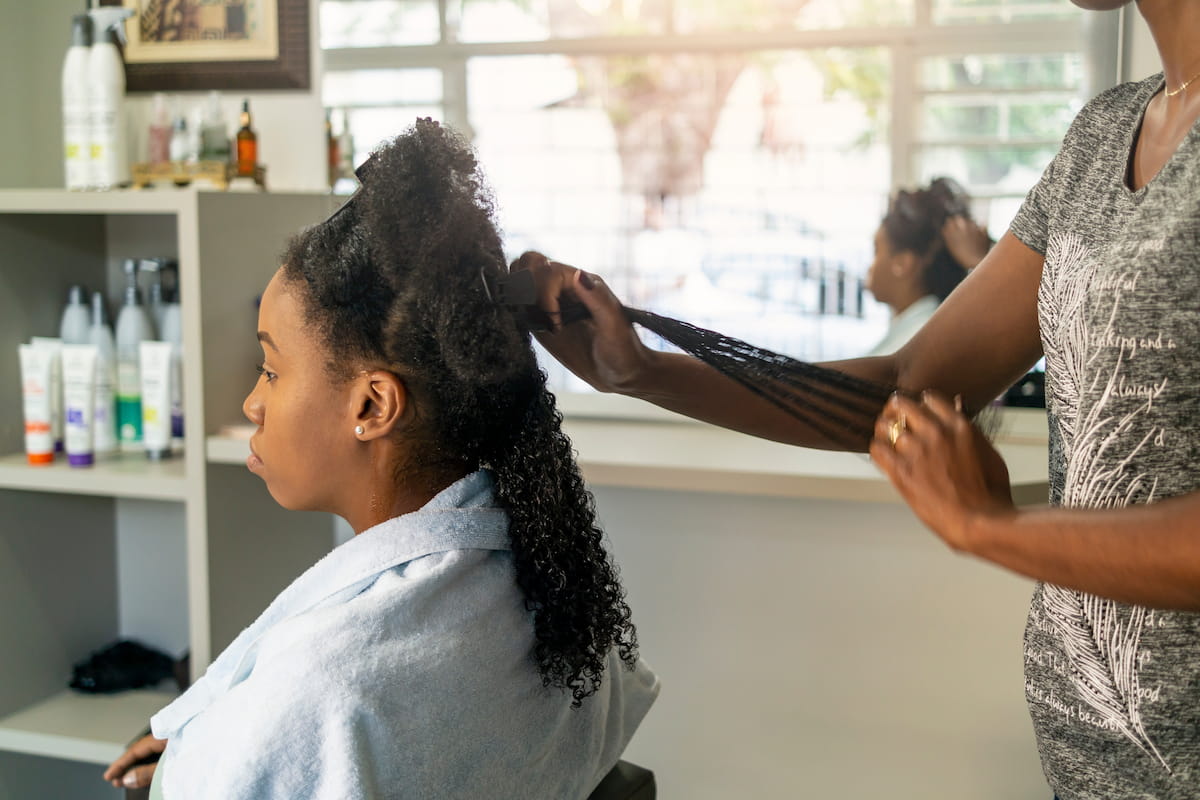
In a long-overdue shift toward equity in the beauty industry, New York State has ordered cosmetology and hair-styling schools to incorporate comprehensive education on kinky, coily, and curly hair into their core curricula. By September 2026, all programs must comply with the updated training requirements to ensure their students qualify for licensure.
At first glance, this may seem like a simple curriculum update. But in reality, it represents a deeper cultural and systemic correction—one that addresses decades of exclusion, bias, and inadequate training that have disproportionately impacted Black individuals and others with textured hair.
This is not just about hair. It’s about dignity, access, and redefining professional standards in an industry that has historically centered on Eurocentric beauty norms.
Under new rules issued by the New York Department of State, cosmetology and hair-styling schools must now include education on textured hair as a required part of their instruction. This means students will be trained to properly care for a full spectrum of hair types—ranging from loose curls to tightly coiled and kinky textures—before they can graduate and become licensed professionals.
The requirement builds on legislation signed in 2023 that mandates education, training, and even testing on all hair textures as part of cosmetology licensing. The goal is clear: eliminate the long-standing gap in cosmetology education that has left many stylists unprepared—and many clients underserved.
As Assemblywoman Michaelle Solages, a co-author of the bill, explained, the issue is deeply personal and systemic. Many individuals with textured hair have experienced being turned away or poorly serviced in salons due to a lack of training. That reality is now being formally acknowledged—and corrected—at the educational level.
To understand why this policy matters, it’s important to look at what came before it. For decades, cosmetology programs across the United States largely centered their training on straight or loosely wavy hair textures. Techniques for cutting, coloring, and styling were often taught through a Eurocentric lens, leaving textured hair as an afterthought—or excluding it entirely.
Even when textured hair was included, it was often framed in limited or harmful ways, such as focusing primarily on chemical straightening or basic braiding techniques rather than holistic care and styling. The consequences of this gap have been significant. Studies and industry reports have shown that a large percentage of Black women struggle to find stylists who are properly trained to care for their hair.
This has led to what some experts call “hair deserts”—areas where people with textured hair have limited or no access to qualified professionals. In many cases, the burden has fallen on clients to educate stylists—or to avoid mainstream salons altogether.
RELATED: The Code Switch: Natural Hair in The Work Place
The lack of education around textured hair isn’t just an inconvenience—it’s a form of systemic discrimination. New York’s updated curriculum is explicitly designed to address racial disparities in the beauty industry.
Hair texture has long been tied to racial identity, particularly for Black individuals. When stylists are not trained to work with kinky, coily, or curly hair, it reinforces the idea that these textures are “other” or less worthy of professional attention.
This aligns with broader conversations around hair discrimination, including the rise of the CROWN Act, which seeks to prohibit discrimination based on hair texture and styles. By requiring textured hair education, New York is effectively saying: all hair types deserve equal expertise, care, and respect.
The updated curriculum isn’t just symbolic—it’s practical and comprehensive.
Students in cosmetology and hair-styling programs will receive training on:
This is critical because textured hair behaves differently from straight hair. It requires different techniques, tools, and approaches to avoid damage and achieve desired results. By integrating this knowledge into foundational training, schools are preparing future stylists to serve a more diverse clientele with confidence and competence.
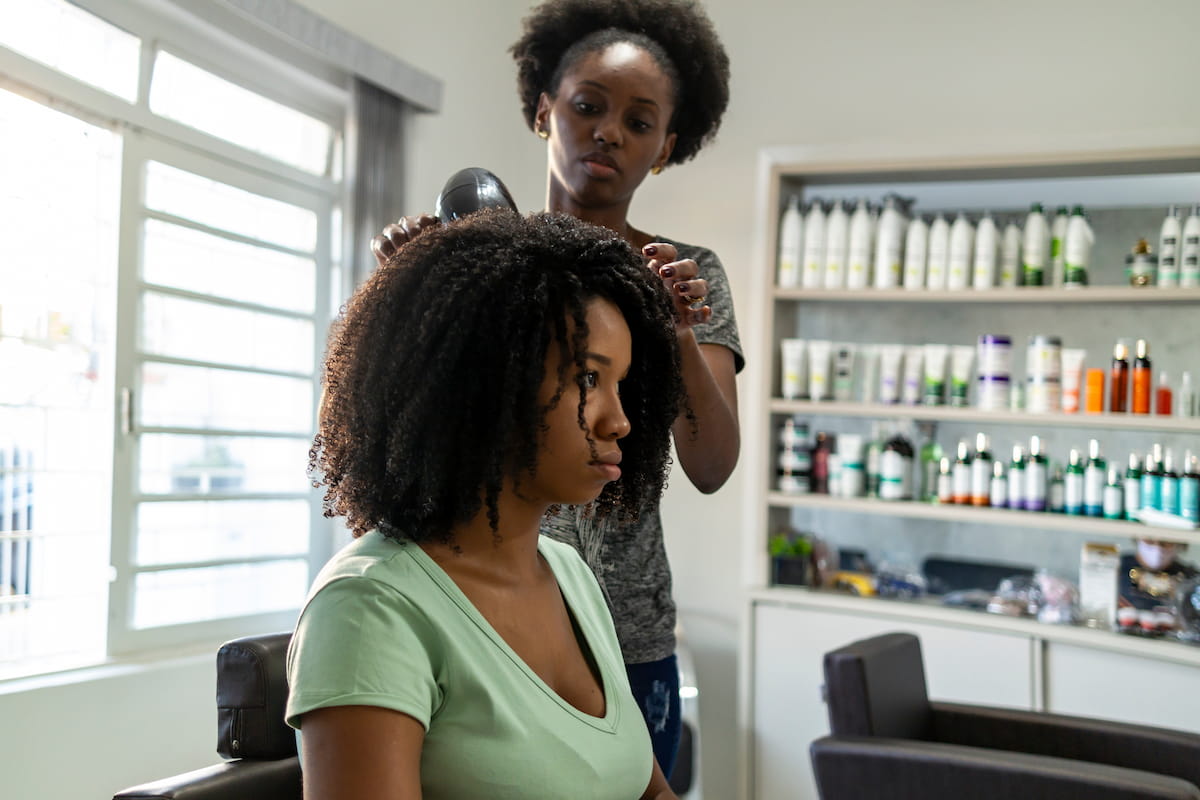
New York is not alone in making this shift. In recent years, multiple states—including California, Minnesota, Connecticut, and Louisiana—have passed legislation requiring cosmetology schools to teach about textured hair. This growing movement reflects a broader recognition that the beauty industry must evolve to meet the needs of a diverse population.
In fact, industry leaders estimate that around 65 percent of Americans have some form of textured hair, making this education not just a cultural necessity, but a business imperative. Federal efforts are also underway. The proposed Texture Positive Act aims to expand training nationwide by funding partnerships between cosmetology schools and organizations specializing in textured hair education.
Beyond equity, this policy has significant economic implications. The textured hair market in the United States is valued at billions of dollars, yet many stylists graduate without the skills to tap into this segment.
By providing comprehensive training, New York is expanding career opportunities for future professionals. Stylists who can confidently work with all hair types are more competitive, more versatile, and more likely to build diverse client bases. For salon owners, this also means increased revenue potential and improved customer satisfaction. In other words, inclusion isn’t just ethical—it’s profitable.
For clients, particularly Black individuals, this change could be transformative. No longer will finding a qualified stylist feel like a gamble. No longer will clients have to ask, “Can you do my hair?” with uncertainty. Instead, the expectation becomes clear: every licensed stylist should have the knowledge and skills to provide safe, effective, and respectful care.
This has implications beyond aesthetics. Hair care is deeply tied to identity, confidence, and cultural expression. When clients feel seen and understood in the salon chair, it creates a more affirming and empowering experience.
RELATED: 9 Things Professional Hairstylists Want Us To Stop Doing To Our Hair
While the policy is a major step forward, implementation will be key. Schools must update their curricula, train instructors, and ensure that students receive hands-on experience with textured hair. There may also be resistance or learning curves within institutions that have historically lacked this focus.
However, early indications suggest that schools are prepared to adapt. Industry groups have noted that integrating these changes is both feasible and necessary. The real test will be consistency—ensuring that the quality of education matches the policy’s intent.
Ultimately, New York’s mandate represents more than a curriculum update—it sets a new standard for what it means to be a professional in the beauty industry. A licensed stylist should be able to serve all clients, not just a subset. A cosmetology education should reflect the diversity of the real world, not outdated norms. And beauty itself should be inclusive, not exclusive.
By September 2026, New York’s classrooms will begin producing a new generation of stylists—ones who are better trained, more culturally aware, and more equipped to meet the needs of every client who sits in their chair. That shift has been a long time coming.


By subscribing, you consent to receive emails from BlackDoctor.com. You may unsubscribe at any time. Privacy Policy & Terms of Service.