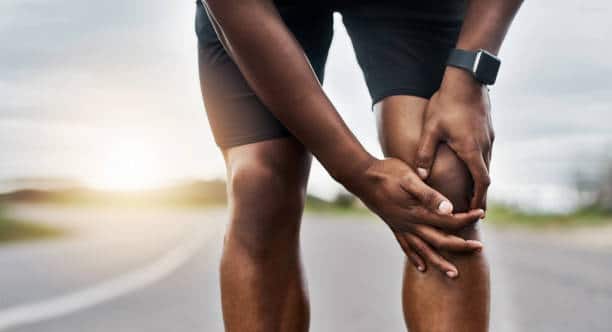
If you’re older and your legs ache, it could be nothing — or it could be a sign of peripheral artery disease (PAD). Blacks have two times the risk for PAD as whites or Asians.
Peripheral artery disease happens when plaque builds up in the arteries of the legs. This happens gradually. If it’s allowed to progress, it can limit or block blood flow in that artery.
The disease affects about 10 million people in the United States. Risks for developing it include smoking, high blood pressure, high cholesterol, diabetes, kidney failure and obesity.
“As we age, we are susceptible to some aches and pains, possibly a tightness in the lower back after standing for long periods of time or a soreness in the legs after a challenging workout, but if unexplained pain persists, it’s important to see a physician,” Dr. Alan Dietzek, a surgeon in Danbury, Conn. says. “Of course, not all pain indicates a serious problem, but certain leg pain and other symptoms in the lower extremities could be a sign of PAD.”
Symptoms can include leg pain when walking or climbing, cool skin in the feet, redness or other color changes of the skin, numbness, cramps, weakness and foot wounds that do not heal. It may start with difficulty walking, but can progress to infections, painful foot ulcers, gangrene and amputation.
READ: Is Sciatica Causing Your Leg Pain?
Older, at-risk patients can have an ultrasound and leg blood pressure examination, to help determine if they have PAD and how severe it is.
“It’s critical to get diagnosed and treated as early as possible,” Dietzek adds. “While PAD can be severe and limb-threatening, the good news is that it is a slow-moving disease, and many patients can keep the worst effects at bay simply by changing their lifestyle.”
If you develop PAD, your doctor may recommend quitting smoking, losing weight and exercising, such as walking 30 minutes a day. Patients who have diabetes and PAD should control their blood sugar. Some patients will be prescribed medication to improve
blood flow or lower their blood pressure.
You should also try to consume a low fat, low sugar diet that includes at least five servings of fresh fruits and vegetables every day.
It is also important that you practice good foot and skin care to prevent infection and the risk of further complications by doing the following:
RELATED: Want More Attractive Feet? Best Home Remedies
Sometimes surgery will be recommended to restore blood flow to the legs or feet. According to Cleveland Clinic, surgeries for PAD include:
Patients who don’t have treatment or who don’t follow their doctor’s advice have a higher chance of PAD progressing to ischemia — blood flow to the limb so restricted that they may lose that limb.
If you believe you may have symptoms of PAD, it is important that you talk with your doctor. There is no cure, however, early detection of PAD is important so that you can get the proper treatment before the disease leads to complications such as a heart attack or stroke.


By subscribing, you consent to receive emails from BlackDoctor.com. You may unsubscribe at any time. Privacy Policy & Terms of Service.