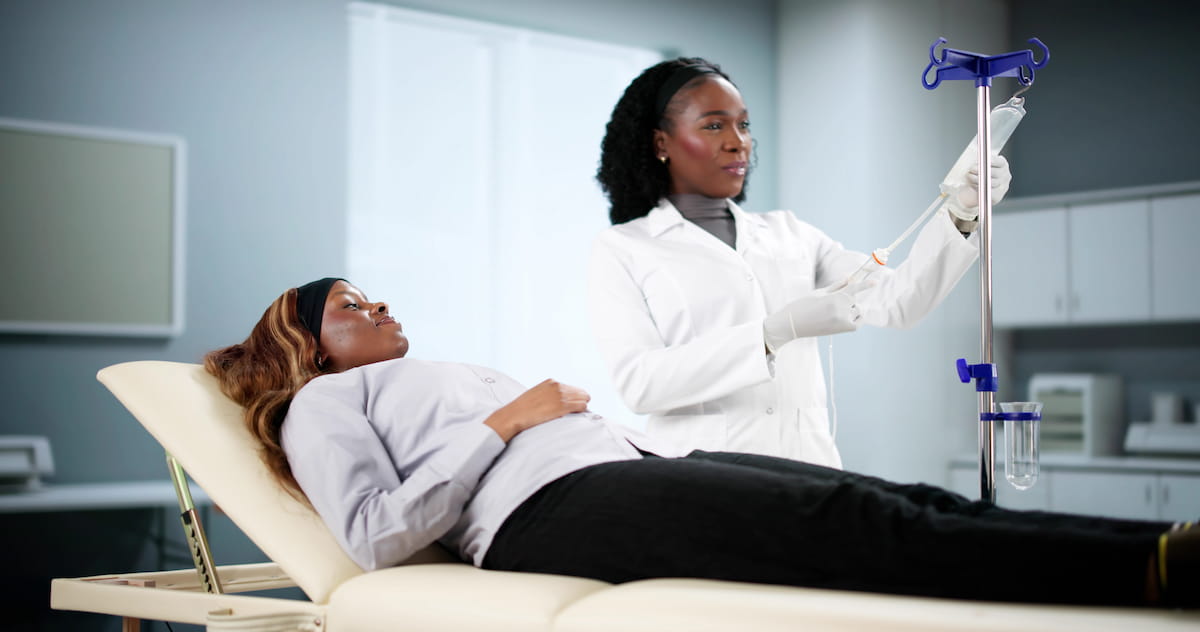
Stroke is the fifth leading cause of death in the United States. For women, it’s the third leading cause of death, as one in five women will have a stroke during their lifetime. That risk doubles for Black Americans, who have the highest rate of death due to stroke.
A stroke occurs when the blood supply to the brain is blocked or when a blood vessel in the brain bursts. Parts of the brain then become damaged or die off, which can cause brain damage, disability, and even death.
Clinical trials provide researchers with information necessary to potentially prevent stroke or reduce the incidence of the condition and allow doctors to improve the quality of life for stroke survivors.
A clinical trial is a research study that involves volunteers who are typically patients with a specified disease. In some cases, healthy patients participate in clinical trials to assist researchers in determining biomarkers and risk factors for disease.
The goal of clinical trials is to help test whether treatments are safe and effective. They provide essential data for regulatory approvals that make life-saving treatments available to the public. Clinical trials progress through phases; each phase provides researchers with valuable information about safety and efficacy, dosage, and potential side effects of drugs.
Phase I trials include small groups of 10 to 20 participants and assist researchers in confirming safety. Phases II and III involve larger groups of participants and track the safety of the medication and its effect on the disease or condition researchers are trying to treat.
Stem cells are found in the body tissue and are necessary for both tissue maintenance and cell repair. Stem cells can self-renew but they can also, through a process called differentiation, become other cells with different functions.
Stem cell therapy allows for the repair of injured cells using stem cells. Researchers are interested in studying stem cells to both increase the understanding of disease and generate healthy cells to replace injured ones.
“Whether it’s acute or chronic, after an injury our body broadcasts an SOS signal, what we more commonly know as inflammation, to try to attract stem cells to the area to organize healing,” Dr. Heather Hinshelwood told BlackDoctor.org.
Dr. Hinshelwood is the co-owner and chief medical officer of the Fraum Center on Hilton Head Island. Fraum Center is the regional leader in regenerative medicine where she has been developing a variety of protocols for stem cell applications.
“Stem cells are the calvary answering our body’s SOS. Once the stem cells arrive, they are potently anti-inflammatory. It’s like throwing a wet wool blanket on a roaring fire—it brings it down to a dull sizzle very quickly.”
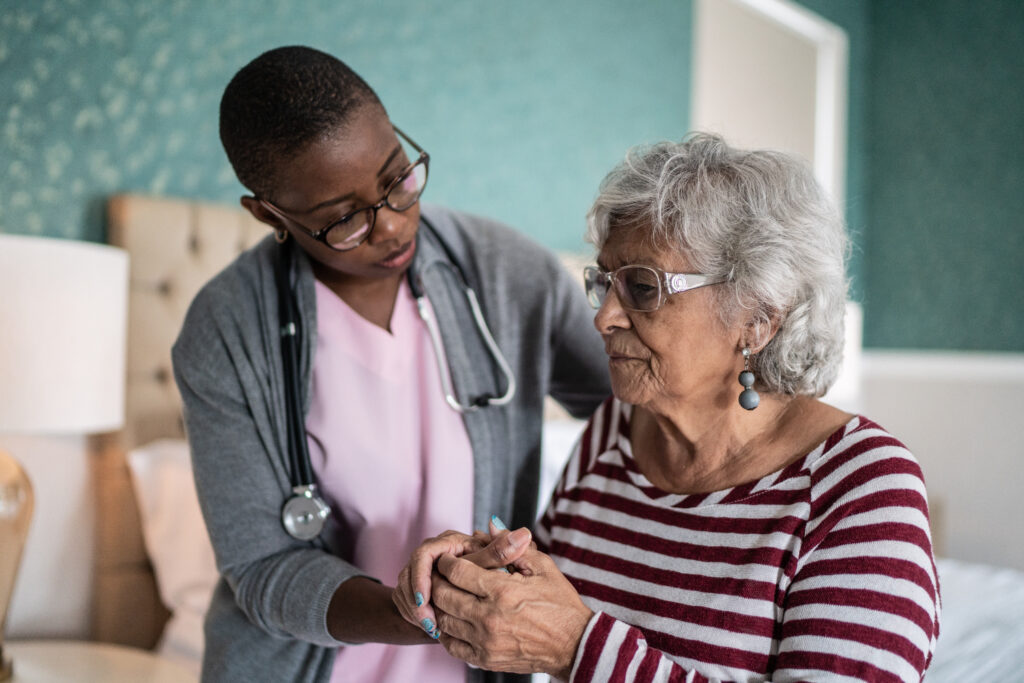
Hinshelwood explained that mortally injured cells emit signals to surrounding cells to die, even if they’re metabolically intact. While compromised cells can’t be changed, the opportunity exists to limit additional damage and tissue loss by intervening in the signals injured cells give off.
“Stem cells have been in clinical trials for a number of years to try to limit cell death after an acute injury, Dr. Hinshelwood explained to BlackDoctor.org. “Whether the injury is a spinal cord injury, heart attack, or stroke, the underlying mechanism is the same.
Stroke survivors who participate in clinical trials can be confident that they’re taking an active role in their health while also helping others by contributing to medical advancements. Close monitoring and care from healthcare professionals is another draw for participants, especially when certain conditions can feel overwhelming and isolating.
Locating a stem cell therapy stroke clinical trial can be a challenge, but there are resources available for those interested. ClinicalTrials.gov is a database of both federal and private clinical trials. The National Institute of Health also provided a database of clinical trials available at their clinical center in Bethesda, Maryland.
The BlackDoctor.org Clinical Trial Resource Center for Black Americans is a clinical trial research database committed to increasing enrollment of Black patients in a variety of trials.
Clinical trials are not to be entered into lightly, it’s important to evaluate any risk or side effects and connect with your healthcare provider to ensure that participating in a research trial is the right path for your particular situation. Connect with your doctor to ensure you’re eligible and discuss any potential adverse effects.
According to the American Stroke Association, one in four stroke survivors is at risk for another stroke. Because of this, stem cell therapy clinical trial research is beneficial for medical advancement and provides patients with a potentially improved quality of life.
“Based on my knowledge and first-hand experience, if a family member had a stroke, they would be getting stem cells from me as early as possible,” Dr. Hinshelwood emphasized.


By subscribing, you consent to receive emails from BlackDoctor.com. You may unsubscribe at any time. Privacy Policy & Terms of Service.