
For diabetics, adjusting their diet to help manage blood sugar levels can be a challenging task. However, studies show that adhering to a plant-based diet can help diabetics manage their condition and live healthier lives.
Plant-based diets focus on vegetables, fruits, lentils, beans, and grains as primary sources of energy. While most see vegan diets as restricting dairy and meat consumption, the underlying theme of plant-based diets is to obtain nutrients from plant-based foods.
While some may see this way of eating as restrictive, plant-based diets offer numerous benefits:
The meat and fish industry is a key contributor to rising atmospheric carbon dioxide levels. While sustainable meat and fish consumption is possible and practiced by many indigenous communities, the majority of the meat and fish industry is unsustainable.
Cutting meat out of your diet also reduces saturated fat intake, which can lead to heart conditions. Additionally, a plant-based diet rich in fruits, vegetables, legumes, and healthy fats promotes heart health and reduces the risk of heart conditions.
Animal products commonly contain LDL (or “bad cholesterol”), while plant-based products can actually help lower the levels of this type of cholesterol. Keep in mind that this means following a plant-based diet full of whole foods (unprocessed) and key nutrients.
Studies show that eating plant-based foods can improve cognitive functioning and reduce the risk of dementia. This is because the foundation of plant-based diets (fruits, veggies, grains) provides the body with polyphenols, which may reduce the risk of cognitive decline and alzheimers.
While plant-based diets offer benefits to everyone, this way of eating can be especially beneficial for people with type 2 diabetes. Not only can it reduce the risk of developing type 2 diabetes, but it can also help those who already have it. This is primarily because plant-based diets can help control blood sugar levels. Foods like fruits, vegetables, legumes, and whole grains are high-fiber foods that allow the body to better regulate blood sugar. Additionally, fiber helps to digest carbs and absorb sugar.
Want to follow a plant-based diet for diabetes, but don’t know where to start? It’s easier than you think. Start with whole foods you like, and make sure each meal includes a source of protein, carbs, and fat. While a plant-based diet for diabetes can offer many benefits, it’s important to ensure you still get enough protein and iron throughout the day to support normal bodily functioning. Below are ideas to get you started on your plant-based journey!
Press out firm or extra-firm for 30 minutes. While the tofu is being pressed, chop onions, broccoli, carrots, cauliflower, or any vegetables you like. Cook your tofu on the stovetop, in the oven, or in the air fryer until browned.
At the same time, cook your veggies in a frying pan. Add a stir-fry sauce, soy sauce, teriyaki sauce, or coconut aminos, and serve on a bed of rice or noodles.
Drain and rinse one can of chickpeas. Mix chickpeas in a bowl with chopped onions, relish, banana peppers, salt, pepper, and vegan mayo. Mash most of the chickpeas, but keep some whole for added texture. Serve on any type of bread and that’s it!
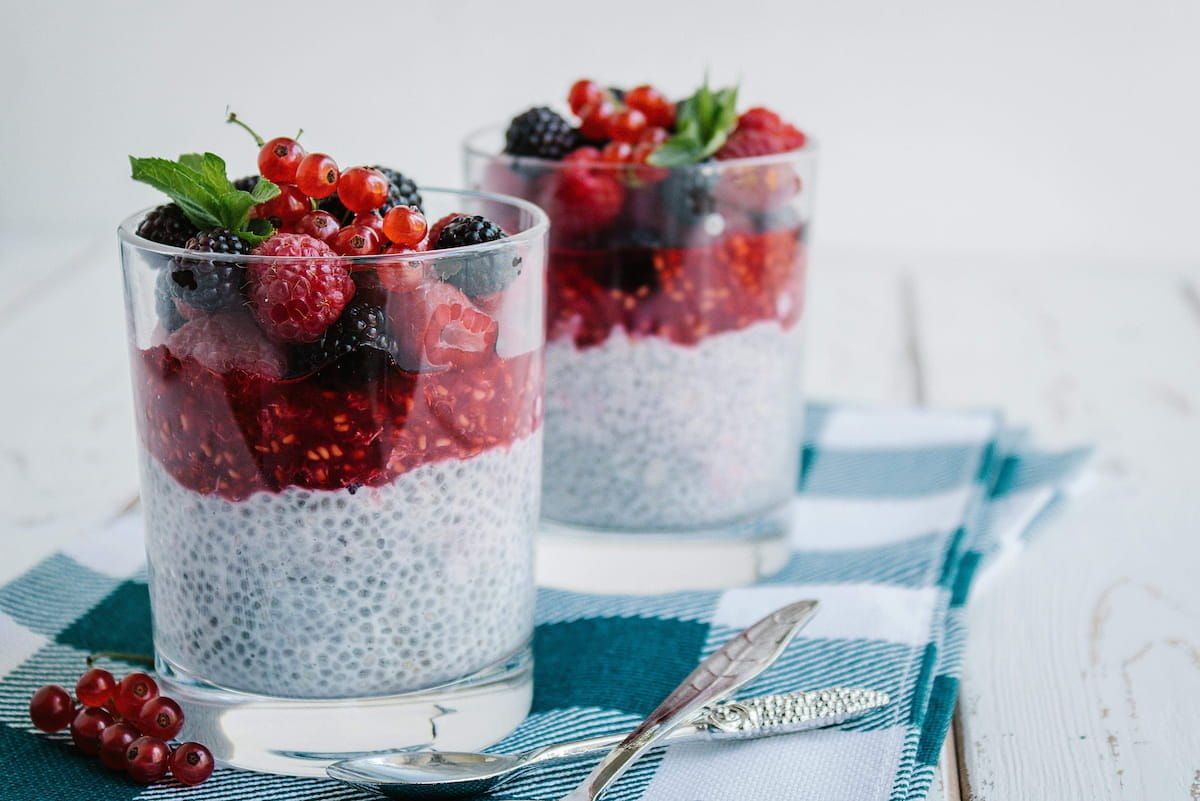
Chia seeds are a great source of fiber and an easy way to keep you full. While chia seeds can be added to smoothies, yogurt, or oatmeal, they can also be mixed with liquid to make a pudding.
Mix 3 tbsp of chia seeds and 1 cup of milk (oat, almond, soy, or coconut). Add a scoop of protein powder to boost protein intake throughout the day. Mix together and let sit overnight in the fridge. In the morning, eat plain or top with honey, fresh fruit, or granola.
Cut up a head of cauliflower into bite-sized pieces. Throw it into a bowl and drizzle with olive oil to coat each piece. Season the cauliflower with salt, pepper, garlic powder, and paprika. Roast cauliflower in the oven at 375 degrees until browned. Then pour about ¼ cup of buffalo sauce over the cauliflower and mix to coat each piece. Serve on a bed of rice or quinoa and top with pickled red onion.
DON’T MISS THIS: 5 Diabetes-Friendly Spring Salads
While finding the right diet for your diabetes may be an overwhelming task, a plant-based diet can be the right step on your journey. If you decide to pursue a plant-based diet, be smart in your approach.
While the initial steps to reduce meat and dairy consumption can look intimidating, tiny steps along the way will help make the transition smoother. Implementing changes, such as Meatless Mondays or gradually trying new plant-based recipes, are key to a sustainable diet.


By subscribing, you consent to receive emails from BlackDoctor.com. You may unsubscribe at any time. Privacy Policy & Terms of Service.