Estate planning is all about assets and responsibilities.
How will your assets be distributed? Who gets what? Who is responsible for what? When, where, and how does this all occur?
If you haven’t thought about this yet, now may be the time. Fortunately, with the legal documents of the trust and will, you can get everything squared away before it’s ever a problem.
But first, you gotta know what you’re dealing with. Understanding the differences between trusts and wills is a must.
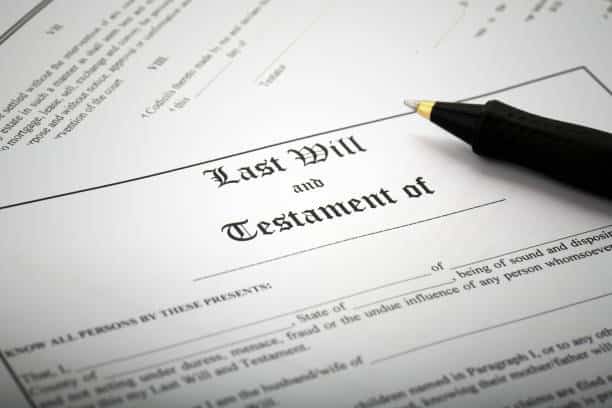
Also called a last will and testament, a will is a document detailing how your assets and affairs are managed when you die. Really, it’s all about your wishes and preferences. From who inherits that real estate and gets money from that fund to who watches over any minor children, all these important details are squared away in a will.
Anything that is in your name at the time of your death can be designated for proper handling.
Just a few terms to know…
First, is the executor, who is the person you appoint to execute your will to your wishes. Second is the term probate, which refers to a court-supervised process by which the will is deemed valid, debts are handled, and assets are distributed.
Remember, as long as you are of sound mind, you can always change your will. Just be sure to speak to an estate planning attorney to ensure your will is exactly as you intend.
A trust is a little different, often more complex, and does not require that someone dies before it’s executed. With a trust, an appointed trustee holds and manages all assets for beneficiaries. The trustee doesn’t have to be a person and may be a company specializing in such positions.
At some point, the assets are distributed (during life or death) based on the instructions of the trust. The trust typically allows people to avoid the probate process, which can take a financial and emotional toll. Trusts are also ideal for beneficiaries who may still be young or inexperienced and cannot manage the assets as well as the trustee.
In some cases, a trust may get dissolved, making it ‘revocable.’ Irrevocable trusts, by contrast, cannot easily be changed or broken up. Due to the complexity of the trust, it is almost always drafted with a legal expert assisting.
Not sure which you want, need, or prefer?
Think of it this way. A will is specifically for assets after death, but a trust can be executed at any point. While wills usually go through the public process of probate, trusts are more private and usually do not go through this process. Also, remember that trusts are for managing assets throughout the duration of the trust. With a will, once the assets are distributed, there’s no trustee to handle the beneficiary’s assets.
Because a trust is usually more complex, it’s more permanent and can not easily be revised like a will. This is one thing to consider if you’re concerned about changes in life circumstances, preferences, values – you name it.
Don’t know which one to choose?
Consider the complexity of your assets. If there is a lot of family ‘stuff’ going on, and you’ve got all kinds of properties, belongings, investments, accounts, and so on, a trust can better address all these complicated aspects. If things are simpler, a will may be the quickest solution.
Also, consider things like minor children. Are there dependents or children with special needs who will require others to manage assets? Although a will appoints guardians for such minors, it does not direct anyone to manage assets once they are distributed. It’s upon the beneficiaries to do with it what they want.
And finally, if you want to skip the tedious probate process, a trust is probably best. A will typically goes through probate, which can cost money and time. That said, due to its lesser complexity, a will may take less time and effort to formally complete.
When it’s all said and done, how you handle these documents is up to you. Speak with an estate planning attorney, be in close contact with friends and loved ones, and take the time to communicate your exact wishes. While things may certainly change, you want to always be honest with yourself.
Who gets what? How do they get it? What responsibilities are important? When and how should things be managed?
While this may all feel quite overwhelming at the time, getting a head start is what’s important. Be detail-oriented, speak to experts, and before you know it, you’ll be formalizing the right document for you – and, most importantly, back to doing what you love: enjoying your life!


By subscribing, you consent to receive emails from BlackDoctor.com. You may unsubscribe at any time. Privacy Policy & Terms of Service.