
While there’s a lot of advice out there about decluttering your space, few of them acknowledge that the same routine won’t work for everyone. That’s because the way you stockpile items is likely to vary from what someone else does. According to the experts, everyone falls into one of five clutter personalities, and knowing where you land can determine how you effectively declutter your home.
Those with this clutter personality usually have signs of organization around the house, but there are still heaps of clutter. While it won’t be apparent to others, they usually have a personal system, so they usually have an idea of where things are. Unfortunately, knowing where things are in the house tends to make them believe that things are under control and the clutter isn’t that bad.
Another issue you may face as a happy heaper is that this personality type is good at procrastination. This habit will likely be obvious in all parts of your life, so it shouldn’t be surprising that you’re putting off decluttering, too. You may also feel like everyone in the household needs your help, and you have to spearhead every project that needs to be accomplished.
Finally, a happy heaper is often a little bit of a perfectionist. That means you won’t want to start decluttering until you’re sure that you’ll be able to get everything done perfectly. For instance, you might delay decluttering the garage because you want to thoroughly clean the floor simultaneously, but you lack the right tools for this task. You might shy away from clearing out your closet because you want to give away some clothes, but you’re not sure when you’ll be able to drive to a collection center.
Chronic shopping is a characteristic of the kind keeper clutter personality. However, it’s your sentimentality with what you’ve purchased that is the core of your clutter problem. You not only have fun shopping, but you’re also associating happy memories with these items. Attempting to declutter usually ends with you deciding that you can’t part with anything because it means too much to you, and anyone who pressures you to get rid of it will only cause conflict.
To make things worse, kind keepers may also deal with what is known as the endowment effect. Doctors describe this effect as a cognitive bias where people consider their belongings to be more valuable than what others own. Of course, this can lead to a misleading belief that what you’ve bought is worth more than they do.
RELATED: 10 Early Signs of a Hoarding Disorder
Unlike the kind keeper, the warm weeper clutter-keeping habit is deeply rooted in pain, loss, or trauma. Experts note that warm weepers keep items that distract them from complicated relationships or a deep sense of melancholy that they can’t manage in any other way. If people suggest that they get rid of anything, warm weepers will put up so much resistance that it might end relationships.
In any case, direct conflict to demand warm weepers dump their items can cause more harm than good, according to therapists. Doing so can make people feel judged while not addressing why they’re keeping the items in the first place.

If you constantly feel overwhelmed by how much is going on in your life while trying to run your household, you may be a harassed housekeeper. In this case, you’re not going out of your way to accumulate clutter. It’s a buildup from the normal process of your life, and your family members are contributing to it, too. However, as a harassed housekeeper, you may feel as if nobody else notices or even cares about the building clutter.
Unfortunately, you feel unable to stay on top of what’s happening, so the clutter keeps growing.
Do you still have things from decades ago that don’t have any sentimental value? Does it always seem that you’re fighting clutter that’s not even yours? Well, you might be a lifetime lingerer. Your clutter personality type means that you’ve been dealing with the issue for as long as you can remember. Depending on how much clutter you have, it might seem sudden, but if you look back, you’ll realize that it’s always been a problem for you.
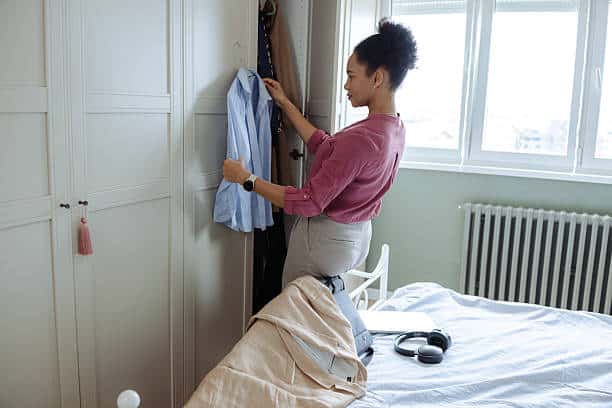
If you’re a happy heaper, decluttering effectively can take different routes because you’re fighting your procrastination and perfectionism. One way to get it done is to delegate the tasks. Your partner can help with areas like the bathroom, kitchen, dining area, living room, and garage. Older children can also tackle their rooms. Creating a list of items to discard or providing detailed instructions on how to sort belongings can help you feel more in control of the decluttering process.
Instead of waiting until everything is in place, you can break tasks into much smaller ones so you have that sense of accomplishment. Using the same example above, you should treat decluttering the bedroom and taking the donated clothes elsewhere as separate tasks. As such, you can tell yourself that you’re finished with decluttering the closet once all the clothes you no longer need are removed. It can also help to delegate the non-decluttering tasks.
RELATED: 8 Tips To Spring Clean Your Kitchen
As you might expect, kind keepers have trouble decluttering because they don’t want to throw out anything that matters so much to them. This can be especially true if the item reminds them of someone who is no longer with them. In this case, you have to accept that decluttering will take some time for you. You will likely need to give yourself space to assess and prioritize what means the most. In that way, you can start to part with items that mean the least.
For example, a souvenir from your recent trip to the mall may not mean as much as a book that taught you an important life lesson. You don’t have to do this on your own, though. Given how deeply kind keepers can get attached to their belongings, many of them find success with a therapist who specializes in decluttering. Working with a therapist can also help you prevent a recurrence of clutter.
While kind keepers can likely declutter without involving a therapist, that is the best place for warm weepers to start. Since their need to keep items around them is based on trauma, they often need to be taught more helpful coping strategies before decluttering can begin. Your therapist can also talk you through decluttering while helping you to deal with your loss or pain.
Additionally, you can start decluttering rooms that have no items to which you have an emotional attachment. These might be the kitchen, storage closet, or garage.
If you’re a harassed housekeeper, the experts suggest incorporating ‘resets’ throughout the day. Instead of tackling massive tasks, these resets focus on small things that will still take bites out of the clutter. One example is clearing a particular area on the kitchen counter. Once it’s clear, you can ensure that items no longer build up there.
You can reset in the morning, at midday, in the evening, and at night. As you keep doing them, there will be less and less to do. There’s also no reason for you to do this on your own. It may seem that you’re the only one who cares about the clutter, but that shouldn’t be the case. You should ask the other members of the household to help with the resets, and at the very least, they can work on bringing less clutter into the house.
Lifetime lingerers usually need to take things small and slow to make a dent in their clutter. Since you’re not necessarily attached to your clutter, it’s not hard to start with a specific section of your home and remove items that no longer serve a purpose. If it’s truly overwhelming, consider hiring some outside help to clear out the most cluttered areas that have items of no true value, like the basement or garage.
Regardless of how you feel about the items you’ve accumulated, there will be times when you need to get rid of them. Though it might not be easy, it helps to remember your personality type and why you kept the items in the first place. Then you can act accordingly to declutter your space. Understanding your clutter personality can help prevent future clutter.


By subscribing, you consent to receive emails from BlackDoctor.com. You may unsubscribe at any time. Privacy Policy & Terms of Service.