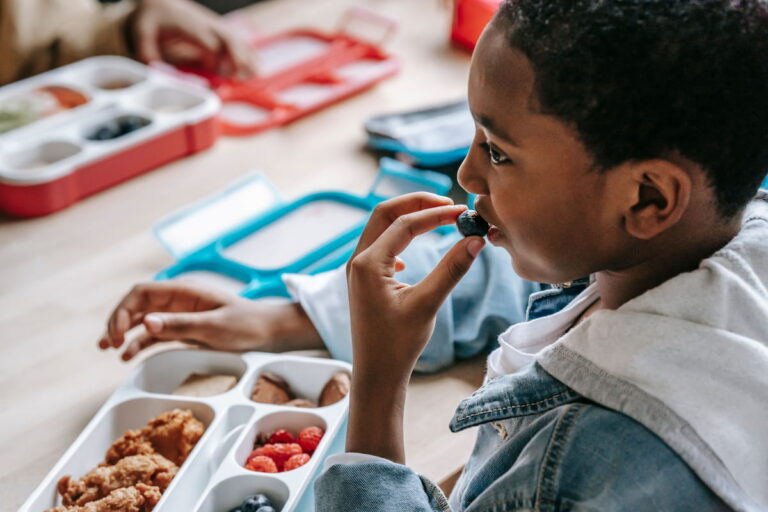
The old saying may be that “Everybody poops” but sometimes, toddlers don’t have it that easy. Several issues can lead to your toddler being unable to go to the bathroom and it’s up to you to help them the best way you can. Before reaching for over-the-counter medications, there are a few natural ways to loosen things up. These homemade laxatives can kick your toddler’s digestive system into gear without any unexpected side effects.
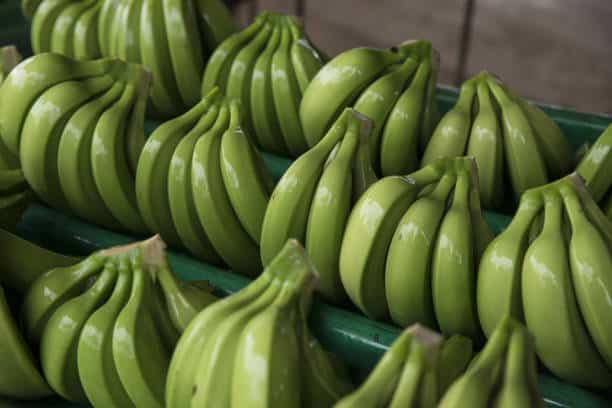
Ingredients
1 ripe banana
8 dried prunes
3-4 ounces of breastmilk
Method:
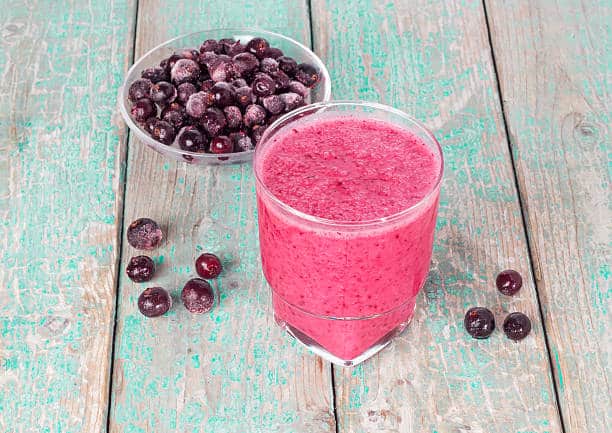
Ingredients
1 ripe banana
½ cup fresh strawberries
½ cup fresh blueberries
1 kiwi, peeled and diced
½ cup Greek yogurt or dairy-free yogurt
¼ cup water or apple juice (for desired consistency)
Method:

Ingredients
1 cup mixed vegetables (carrots, broccoli, and peas), steamed and finely chopped
1 cup shredded cheddar cheese or dairy-free cheese
½ cup whole wheat breadcrumbs
1 egg or egg alternatives
1 teaspoon olive oil
A pinch of salt and pepper
Method:
RELATED: What Every Toddler Needs To Thrive
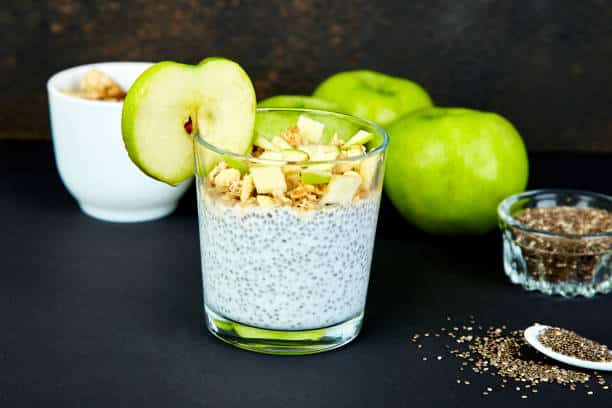
Ingredients
2 tablespoons chia seeds
½ cup unsweetened applesauce or a pureed apple pouch will work
½ cup milk (dairy or plant-based)
½ teaspoon cinnamon
1 teaspoon honey (optional)
Method:

Ingredients
1 ripe banana, mashed
½ cup rolled oats
1 egg or egg alternative
½ teaspoon baking powder
A pinch of cinnamon
Butter or oil for cooking
Method:
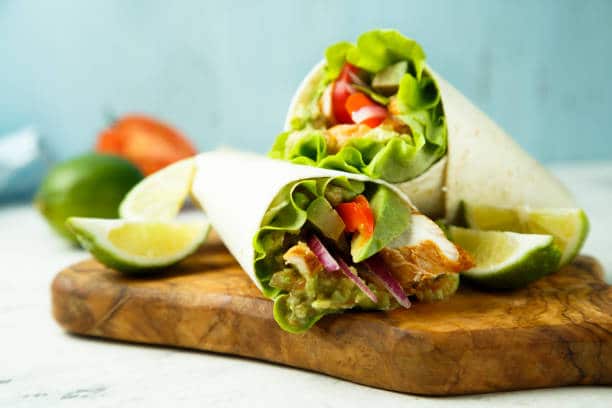
Ingredients
1 whole wheat tortilla or wrap
2 tablespoons cream cheese or hummus
½ cup spiralized or thinly sliced veggies (carrots, cucumbers, bell peppers)
¼ cup shredded cheese (cheddar or mozzarella) or cheese alternatives
A handful of baby spinach or lettuce leaves
Method:
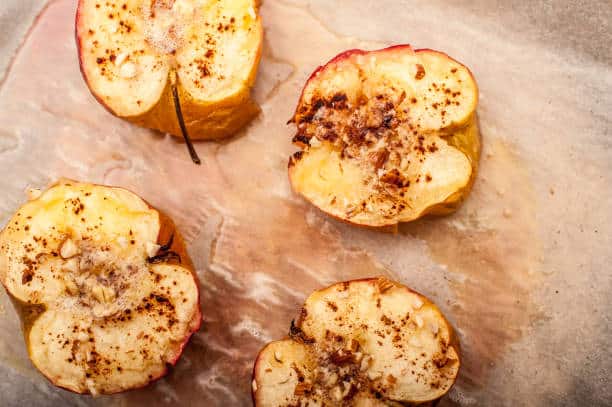
Ingredients
3-4 medium apples (about 3 cups sliced; core discarded)
1 tablespoon melted unsalted butter (or coconut oil)
½ teaspoon cinnamon
Method:

Ingredients
14-ounce can of pears in juice
Method:
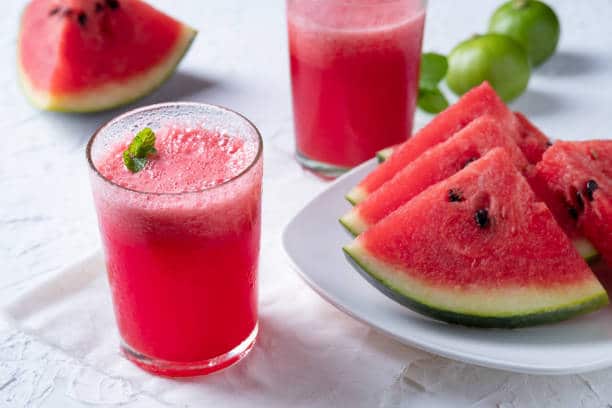
Ingredients
4 cups seedless watermelon cubes
Method:
Ingredients
1 cup plain whole-milk Greek yogurt
1 cup blueberries (wild blueberries give these the best color)
½ -1 cup lightly packed baby spinach (or kale)
2 tablespoons honey (or maple syrup)
½ teaspoon vanilla extract
Method:
RELATED: You Might Be Ready, But Are They? When to Start Potty Training Your Toddler
While natural remedies are great for addressing constipation, it’s always best to prevent the issue in the first place. Constipation can be uncomfortable for your toddler and the ensuing loosening of their bowels isn’t always easy to handle, either. One efficient way to ensure your toddler stays regular is to monitor their diet.
Ideally, your toddler should eat a balanced diet with fiber and fluid. Both of these are integral to a properly functioning digestive system. Fiber and fluid work together to keep feces soft and easy to pass. Keeping your child hydrated is a good way to make sure that they’re drinking enough fluid. While water is best, you can mix things up with some juice as well.
If your child doesn’t usually get a lot of fiber in their diet, it’s best to introduce them slowly so there’s time for them to get used to new foods. Some great options include kiwi, fresh vegetables, whole grains, and legumes like black beans, kidney beans, or lentils. You can also try mixing the fiber-rich foods into meals they already like.
Other things that can help with regular digestion are physical activity and routine potty time. The experts say that even if nothing happens when your toddler sits on the potty, having the routine helps them get used to going at the same time.
Generally, constipation isn’t serious and can be resolved easily. However, there are times when something more serious is happening. If your toddler’s constipation has lasted for more than two weeks, you need to see the doctor. Furthermore, your doctor needs to know if the constipation is accompanied by loss of appetite, a fever, abdominal swelling, blood in the stool, unexplained weight loss, pain when trying to use the bathroom, and any sign that a part of the intestine is coming out of the anus.
Toddlers can get constipation at any time so it’s good to have a few recipes on hand that can help. You can also be proactive by ensuring that they’re properly hydrated and getting enough fiber in their diet. If nothing helps, though, and their symptoms are getting worse, it’s time to see a doctor.


By subscribing, you consent to receive emails from BlackDoctor.com. You may unsubscribe at any time. Privacy Policy & Terms of Service.