For generations, Black communities have faced a legacy of exclusion and mistrust when it comes to medical research and clinical trials. Too often, the journey has been marked by unanswered questions, skepticism, and experiences of being overlooked or misunderstood—before ever seeing the promise of new treatments.
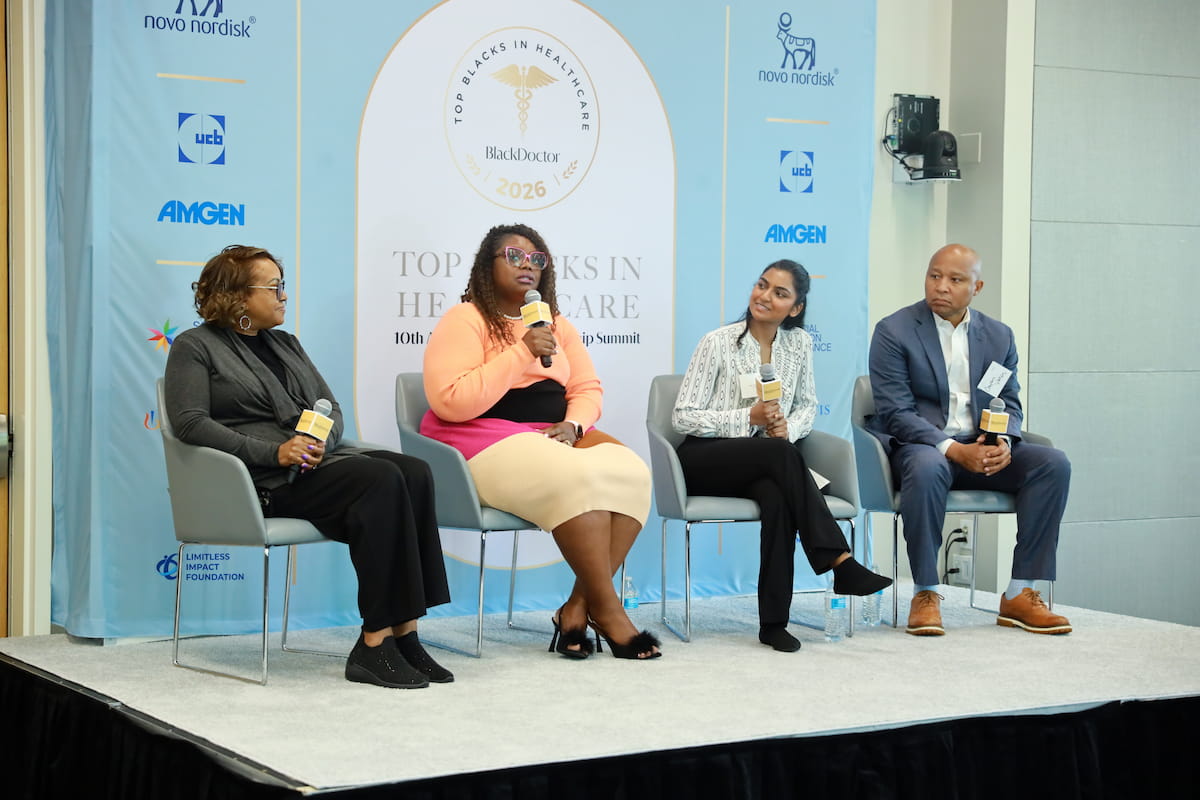
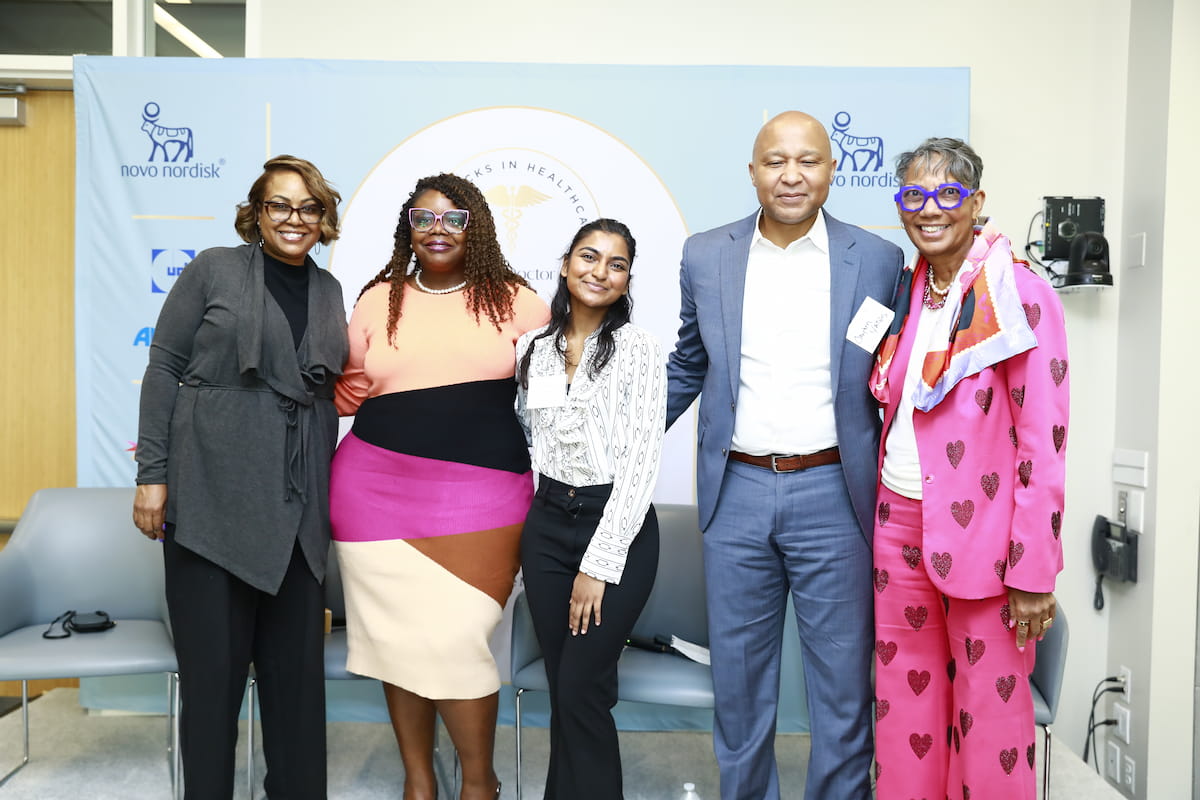
This was the topic of the “From Mistrust to Movement—Reimagining Clinical Trials in Our Community” panel, part of the 10th Annual Thought Leadership Summit hosted by BlackDoctor in Washington, D.C. Moderated by Ricki Fairley (TOUCH: The Black Breast Cancer Alliance), the conversation convened experts, advocates, and industry leaders, including LaToya Bolds-Johnson, Dr. Regina Hampton, Dr. Clayton Yates, and a representative from Amgen to chart a new path forward—one rooted in trust, inclusion, and generational healing.
The panel began by reframing narratives around clinical trials—moving away from blaming communities for low participation and instead recognizing the deep-seated structural inequities and historical harms that have shaped perceptions.
“It’s not really an issue of are they willing to participate? Are they being asked? Do they have an ability or a facility to go to that’s not three miles away?” the Amgen representative questions.
Panelists discussed the complex interplay of misinformation, provider bias, and inaccessible trial designs that create barriers for Black patients, something Bolds-Johnson has experienced firsthand.
At age 36, while breastfeeding, Bolds-Johnson discovered a lump. Despite her medical background, she had to fight for basic diagnostic tools; a radiologist initially refused a mammogram, claiming she was “too young.”
After being misdiagnosed for months as having a benign milk cyst, she finally received a biopsy. Instead of a professional phone call, she received a text message while treating patients in the ER, informing her she had invasive carcinoma. She described the radiology team’s follow-up as “nonchalant” and lacking compassion.
During her treatment, Bolds-Johnson discovered her oncologist had withheld immunotherapy, a standard treatment for her diagnosis. When questioned, the doctor simply stated it wasn’t on his “checklist.” Consequently, she fired him and sought a new provider, who enrolled her in a clinical trial at Georgetown, which she credits with her being alive today.
“This is my way of building my medical trust fund for my children… I needed my Black body to be studied. I needed to understand why this was happening to me. I needed my biological data to be deposited somewhere so that my genes can be studied,” Bolds-Johnson shared.
For many, the lack of Black clinicians and researchers means clinical trials don’t always reflect the needs or lived experiences of Black patients.
“It’s essential that the community gets that there are people out there, such as everyone on this panel that are trustworthy,” Dr. Yates explained.
Meeting patients where they are is important for ensuring trials are accessible, transparent, and designed with community input.
“I think clinical trials need to be an upfront consideration as soon as you’re diagnosed with anything,” Fairley, a Stage 3A Triple-Negative Breast Cancer (TNBC) survivor, who was only given two years to live, noted.
She described an ideal setting that removes the barriers and fear often associated with medical research. Instead of the typical sterile clinic, patients would arrive in a warm, comforting atmosphere, and medical procedures would be carried out in a space filled with love, transforming the experience into one of comfort and communal care rather than anxiety or isolation.
The community must stop waiting for the science to come to them and realize its own agency. Fairley explained: “We are the science we’ve been waiting for.”
She believes that by reimagining the marketing materials (which she notes currently “suck”) and providing 24/7 navigation led by Black survivors, the industry can finally bridge the trust gap and treat patients as people who simply “want to have another birthday.”
Despite the challenges, the panel concluded with a message of hope and radical engagement, urging attendees to “own the future of medicine” by demanding a seat at the table, amplifying community voices, and ensuring every clinical trial is an opportunity for equity and healing.
Dr. Hampton also offered a powerful reminder: clinical research isn’t just about molecules and data—it’s about the people we love and the history we share. By moving the conversation from academic halls to our own backyards, we take the first step toward a future where precision medicine actually includes us.
“I tell my patients, ‘Take index cards to the cookout.’ Collect the information—you don’t even have to put names on them. Someone can take that, put it all together…and then distribute it back to the family. At least then, people know: three people have hypertension; four people were diagnosed with cancer before the age of 40. I think these are simple, grassroots things we can put in people’s hands…we can use that to get the ‘his and her’ story.”
The final takeaway: Trust is built, not given. It starts with honest conversations, true representation, and the shared belief that everyone deserves access to the future of care.

By subscribing, you consent to receive emails from BlackDoctor.com. You may unsubscribe at any time. Privacy Policy & Terms of Service.