
Brain fog is a common side effect of chemotherapy for cancer, with the toxic drug cocktails affecting attention, memory, and ability to multitask.
But a couple of cheap, simple solutions — low-dose ibuprofen and exercise — appear to be effective in protecting cancer patients’ brain function during chemo, researchers reported today in the journal Cancer.
Both exercise and ibuprofen individually reduced the brain fog associated with chemo, and when provided together, produced even better results, researchers found.
“We are encouraged by the findings of this trial that suggest possible benefits of both interventions for some cognitive domains,” lead researcher Michelle Janelsins said in a news release. She’s the division chief of supportive care in cancer at the University of Rochester Medical Center in New York state.
For the study, researchers randomly assigned 86 cancer patients on chemotherapy to four different groups — exercise plus ibuprofen, exercise with a placebo pill, ibuprofen only, or just a placebo.
After six weeks, participants in an exercise program adapted for cancer patients had significantly better attention compared to those taking a placebo, results showed. The ibuprofen-only group also did better than the placebo group.
Overall, people with exercise plus ibuprofen or just exercise did better on a measure that assessed how often friends, family, or coworkers noticed the patient’s brain fog.
“Clearly, we saw a more pronounced effect with exercise, which is notable considering the multiple health benefits of exercise for cancer survivors,” Janelsins said.
However, those taking only ibuprofen showed less improvement in short-term verbal memory, suggesting that it might less consistently ease brain fog, researchers said.
Janelsins said future studies should modify the duration and dose of exercise and ibuprofen to figure out the best prescription for patients.
These results also need to be confirmed in a larger follow-up trial, researchers noted.
Janelsins also stressed that any cancer patients interested in avoiding brain fog through exercise or ibuprofen should first discuss their plans with their doctor.
RELATED: 10 Things You Should Know About Chemo Brain
For many cancer survivors, the effects of chemo brain can extend far beyond the occasional memory lapse. Brain fog can interfere with work, parenting, caregiving duties, and everyday activities, such as driving, managing finances, or following conversations.
Some people say the emotional effects can feel just as challenging as the physical symptoms. They may feel mentally “slower” after treatment, which may lead to frustration, anxiety, or embarrassment — especially if the symptoms are invisible to others.
Black cancer patients, in particular, may face additional challenges when coping with chemo brain. Barriers to quality healthcare and supportive care services can make it harder to access rehabilitation programs, survivorship counseling, or mental health support during recovery.
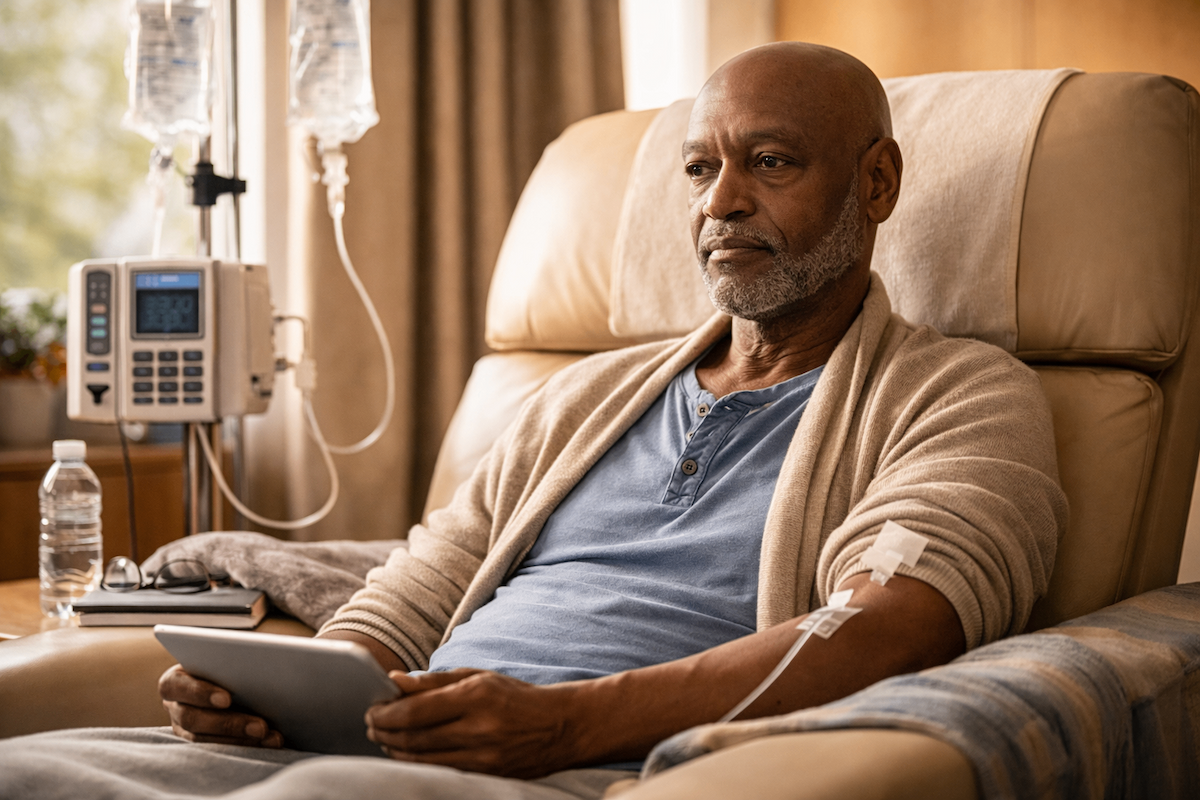
Although there is currently no cure for chemo brain, healthy habits may help support brain health during and after treatment.
Gentle physical activity — including walking, stretching, yoga, or light strength training — is often recommended. These activities may help improve circulation, reduce inflammation, and support overall mental well-being.
Getting a good night’s rest is also important. Many cancer patients experience sleep disruptions during treatment, which can affect concentration and memory. Creating a consistent sleep routine and practicing stress management techniques can help improve mental clarity.
Cancer patients may also benefit from the following coping strategies:
RELATED: 6 Ways to Overcome “Chemo Brain”
The study’s findings suggest simple approaches may help cancer patients better manage chemo brain symptoms. As researchers continue exploring non-drug strategies to reduce treatment-related side effects, many survivors may find comfort in knowing that chemo brain is both real and increasingly recognized by the medical community.
For patients navigating cancer treatment and recovery, that validation alone can make a meaningful difference.
More information
The American Cancer Society has more on exercise for cancer patients.
SOURCES: American Cancer Society, news release, April 20, 2026; Cancer, April 20, 2026


By subscribing, you consent to receive emails from BlackDoctor.com. You may unsubscribe at any time. Privacy Policy & Terms of Service.