There are different treatment options available for those who are dealing with hearing loss. One avenue is the use of cochlear implants. While it’s become a routine surgery, there are certain questions you should ask your doctor to ensure that you know what you’re getting into.
Many people need to get an MRI done in their lifetimes. Since cochlear implants contain a magnet, an MRI can cause damage to the implant and your ear. Fortunately, there are MRI-safe implants where the magnet spins in place instead of moving.
The answer to this question will depend on how badly your hearing has been affected in each ear. Some people only need one implant to complement the hearing in their other ear. If the hearing loss in one ear isn’t bad enough to need an implant but still isn’t satisfactory, ask your doctor about an implant/hearing aid combination.
Every surgery has an element of risk. Though the risks of cochlear implant surgery are usually minimal, some of the issues you might experience include dizziness, bleeding, ringing in the ear, and facial nerve weakness.
Generally, surgeons have techniques that won’t damage the existing structure of your ear. However, some people have hearing loss because of abnormalities in their ears that may have to be addressed when putting in the implant.
The timeline can vary but most people are able to go home within a day of the surgery. After a week or two, they’re usually able to go back to work.
There’s usually some amount of healing that needs to take place before your doctor will switch on the implant and test it. This can take up to six weeks.
RELATED: Ten Ways You May Be Ruining Your Hearing
While cochlear implants are meant to mimic the natural flow of sounds in your ear to your brain, they might not always sound exactly the same. This is an important matter to discuss with your doctor so you can manage your expectations.
Again, this can vary from one person to the other but your doctor can give you some guidance on what to expect.
It’s not typical for you to need further surgery based on technology changes as cochlear implants have not
changed much. However, your doctor will be able to let you know how likely it might be.
Given how the implant is constructed, you shouldn’t have an issue with swimming or showering. Your doctor will let you know, though, if any physical activities are off-limits.
Doctors usually recommend cochlear implants for persons who have significant or profound hearing loss that isn’t helped by hearing aids. They tend to work well for those who have only been having poor hearing for a short period so doctors tend to act quickly so you can get implants as soon as possible. It’s not that the implants won’t work if you’ve been dealing with hearing loss for a long time but doctors have found that they might not be as effective.
RELATED: 7 Types Of Assistive Hearing Devices You Need To Know
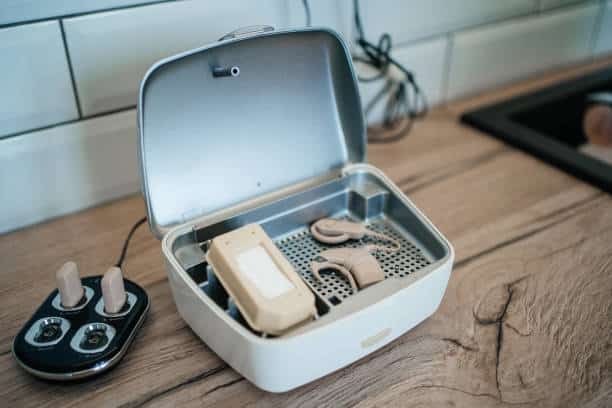
Your cochlear implant needs regular maintenance. That usually includes cleaning the external parts of the implant, checking for damage, and changing the batteries. Some parts of the implant will also need to be replaced on a scheduled basis. Since the details of maintenance can vary based on the model of your implant, it’s essential to cover its care with your doctor. You should also let your doctor know if your implant isn’t working as well as it used to or if it was damaged.
Doctors usually recommend cochlear implants when you have profound hearing loss. If your doctor has recommended them, then make sure you have all the information you need before going forward.


By subscribing, you consent to receive emails from BlackDoctor.com. You may unsubscribe at any time. Privacy Policy & Terms of Service.