
When it comes to managing diabetes, it’s imperative to control what you eat. That can be hard to do if your food contains a few unexpected ingredients like sugar. While you know candy, pastries, and soda have high sugar content, there are a few other things you may eat all the time that are throwing your blood sugar level out of whack.

When making white bread, manufacturers strip out all the fiber, vitamins, minerals, and healthy fats. To make matters worse, they usually add sugar to boost the flavor. The end result is empty calories that cause your blood sugar levels to spike. You’re much better off with whole wheat or whole grain bread.

Tomatoes are naturally tangy so manufacturers usually add sugar to balance the taste and acidity of these products. It’s a good idea to look for those that have less than a gram of sugar per serving or say ‘no added sugar’ on the label. You can also substitute tomato paste for ketchup in recipes.
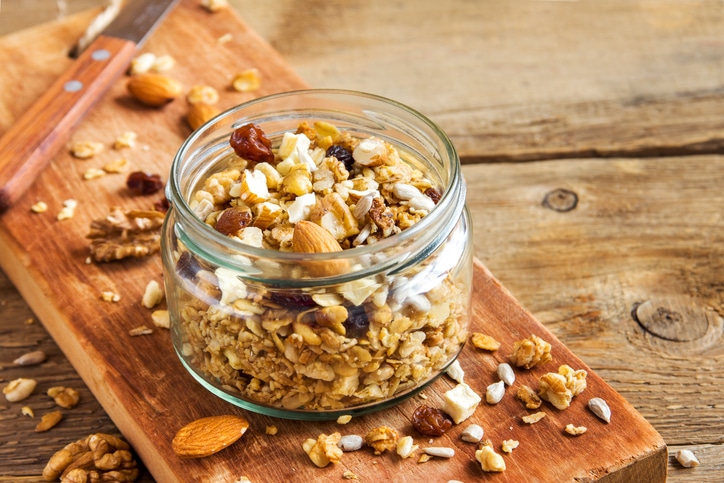
Granola is typically considered healthy, but in many cases, it’s being held together by sugary ingredients like molasses, honey, and maple syrup. When shopping for granola, look for those that have low sugar content instead.

While peanut butter should be a great source of protein, fiber, and monounsaturated fats, a lot of them contain added sugar or fillers. To avoid that, choose brands that contain roasted peanuts and sea salt as the only ingredients. It’s also better to go for the full-fat varieties.

If you’re reaching for flavored yogurt with your breakfast, then you’ve been eating a lot of added sugars too. To get the same effect without the sneaky sugar, add flavors like vanilla or almond to plain yogurt. Microwaved fruit or nut butter are good options too.
RELATED: 5 Healthy, Low Sugar Snacks For The Ultimate Movie Night
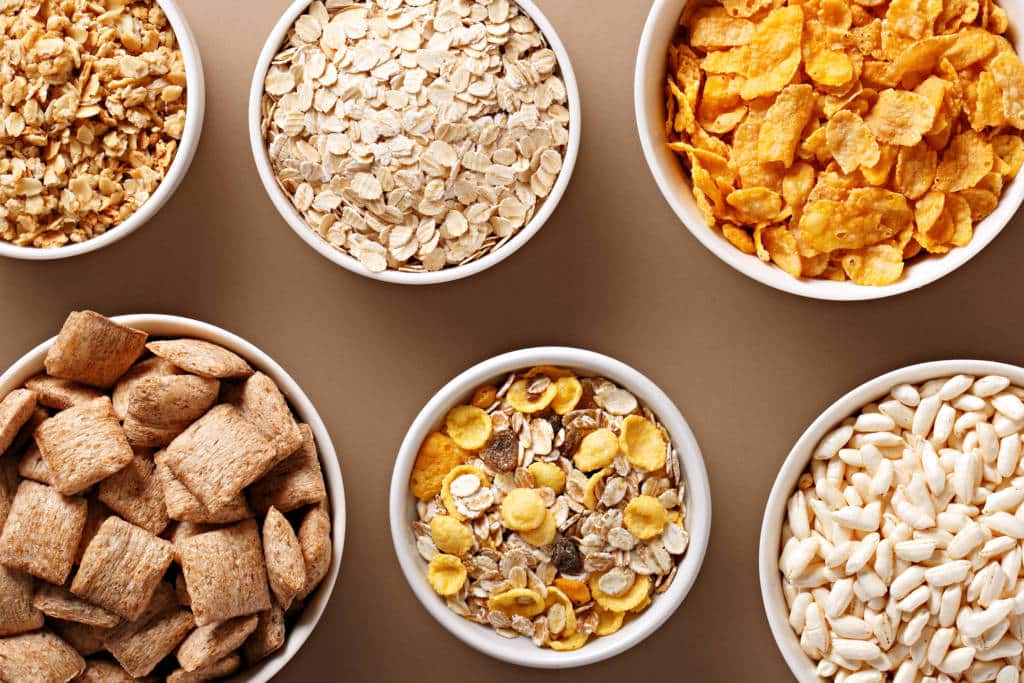
Many cereals contain added sugars but it’s not always obvious. You can get a good picture of what you’re dealing with by reading the nutrition labels, though. To play it safe, stick with plain oatmeal as the instant kind usually has added sugar as well. You can add flavor to unsweetened cereal with fruits and spices at home.
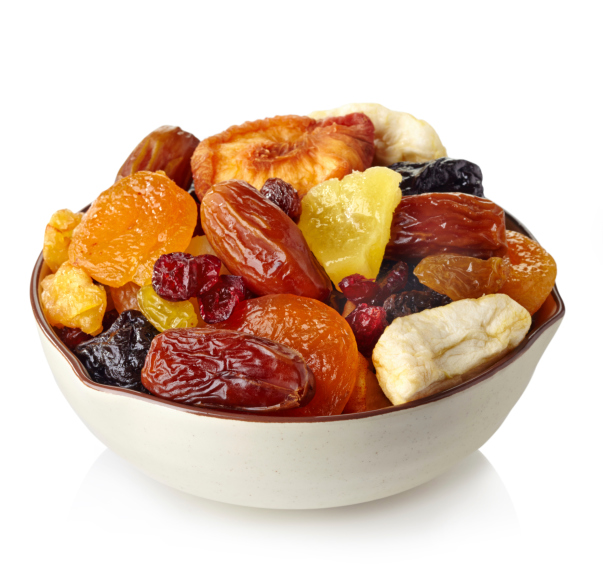
It might still be fruit but this snack can have a significant amount of added sugar. The small suggested serving sizes also make it easy to indulge and spike your blood sugar levels. It’s safer to eat fresh fruits where you can.

With most types of canned soup, you trade convenience for high levels of sugar. Health experts suggest looking for ‘no sugar added’ varieties instead.

The sources of milk alternatives typically aren’t very sweet so manufacturers add sugar for more flavor. It’s a good idea to look for unsweetened options then add vanilla, almond, or cinnamon.

Many manufacturers add sugar to salad dressings for flavor and to balance any acidity. Since this can be hard to avoid, how about making your own dressings? Some versions start with simple ingredients like grape juice, white vinegar, and extra virgin olive oil.
Added sugar can sneak into any product, so your best bet is to learn how to read the labels on your food.
The first thing you should look at is the ‘Ingredient Listing’, which shows what’s in the product in order of decreasing content. That means your food will contain the most of whatever ingredient is listed first. Even if it doesn’t say ‘sugar’, check for ‘evaporated cane juice, corn syrup solids, high-fructose corn syrup, molasses, and honey.
Next, look at the ‘Nutrition Facts’. The serving size will show how much you’re supposed to eat at a given sitting. Just because it’s in one container, doesn’t mean that’s the serving size.
You should then look at the number of calories per serving size as well as which nutrients the food contains. Generally, you might see nutrients such as dietary fiber, protein, vitamins, and minerals.
Finally, look at the ‘% Dailly Value (DV)’ that’s listed for everything on the nutrition panel. The DV refers to the amount of a nutrient you should eat daily. It’s typical for 5% DV to be considered low and 20% DV to be considered high. Ideally, you’ll want to aim for lower amounts of added sugar, sodium, and saturated fat but higher amounts of dietary fiber, Vitamin D, calcium, and iron.
It can be tricky to maintain a proper diet when added sugars pop up where you least expect them to. Fortunately, it’s easy to weed out the questionable products if you read their labels carefully. Once you get the hang of it, you’ll have the right diet in no time.


By subscribing, you consent to receive emails from BlackDoctor.com. You may unsubscribe at any time. Privacy Policy & Terms of Service.