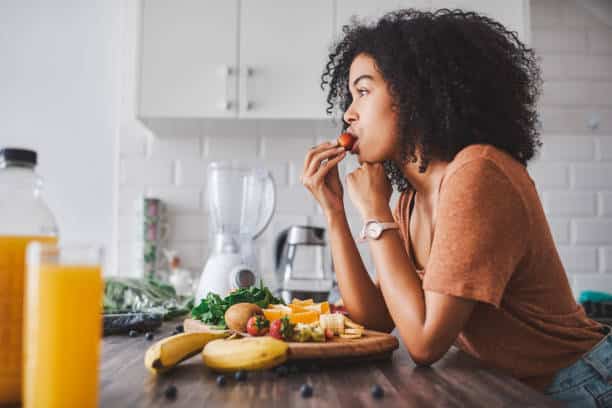
Experiencing digestive problems? These tips are the perfect solution.
Whole foods are minimally processed, nutrient-rich, and healthful. Typical Western processed meals contain refined carbohydrates, saturated fat, and food additives. Processed foods may cause intestinal problems. Glucose, salt, and other additives may cause intestinal inflammation. Inflammation may decrease intestinal barrier function, increasing gut permeability. Increased intestinal permeability may lead to health issues.
Trans fats are in certain processed meals. These lipids have been linked to heart disease and inflammatory bowel disease. Most trans fats in processed foods formerly originated from partially-hydrogenated oils. While the FDA prohibited partially-hydrogenated oils in 2018, processed foods may still contain trans fats. Check processed food labels for trans fats.
Fortunately, high-nutrient diets protect against digestive illnesses. For healthy digestion, consume fresh meals and restrict processed items.
Fiber aids digestion. Soluble fiber absorbs water and bulks stools. Insoluble fiber cleans your digestive system like a huge toothbrush. Oats, barley, and legumes are soluble fiber sources; whole grains, nuts, and seeds are insoluble. Eating a variety of fruits and vegetables can guarantee you receive both types.
The DRI for fiber in 19-50-year-old women is 25 grams. Males 19-50 have a DRI of 38 grams of fiber. Most Americans drink half the daily recommended amount. High-fiber diets minimize the incidence of constipation, inflammatory bowel disease, and colorectal cancer. High-fiber diets increase gut barrier function and inflammation. Prebiotics nourish intestinal microorganisms.
Fruits, vegetables, and grains contain prebiotics.
Fat may aid digestion. Fat makes you feel full and aids in the absorption of vitamins A, D, E, and K. Flaxseeds, chia seeds, walnuts, and fatty fish, including salmon, tuna, mackerel, and sardines, are rich in omega-3 fatty acids. More research is required to determine if omega-3 fatty acids reduce the risk of inflammatory bowel illnesses like ulcerative colitis.
RELATED: Digestive Enzymes: 12 Foods That Are Good For Digestion
Insufficient hydration consumption causes constipation. Water, other drinks, and meals make up your fluid intake. Drinking water daily ensures you receive enough liquids without added sugar and calories. You may require extra water when you’re unwell or in a hot area. You may also get enough fluids through herbal teas and seltzer water. Cucumbers, peppers, broccoli, strawberries, apples, oranges are high-water fruits and vegetables.
Stress might impair digestion. It causes ulcers, diarrhea, constipation, and IBS. Stress hormones harm digestion. In fight-or-flight mode, your body believes you can’t relax and digest. Stress diverts blood and energy from the digestive system. What affects your brain might also influence your stomach. Stress management, meditation, and relaxation training alleviate IBS symptoms. CBT, acupuncture, and yoga have also benefited stomach issues. Deep belly breathing, meditation, or yoga might enhance your mood and digestion.
Uncontrolled eating may cause bloating, gas, and indigestion. Mindful eating involves focusing on your food and eating process. Mindfulness may lessen ulcerative colitis and IBS symptoms. Mindfully:
Chewing initiates digestion. Your teeth break food down so digestive enzymes can digest it better. Bad chewing might reduce nutrition absorption. If you chew your meal well, your stomach needs to work less to transform it into a liquid for your small intestine. Chewing creates saliva; the longer you chew, the more is created. Saliva starts digestion by breaking down carbohydrates and lipids in your mouth.
In your stomach, saliva is a fluid that mixes with solid food to travel into your intestines. By chewing deeply, you produce more saliva for digestion. It may prevent indigestion and heartburn. In addition, chewing reduces tension, which may help digestion.
Exercise helps digestion. Exercise and gravity aid digestion. Walking after a meal may help move things forward. Short bouts of low to moderate activity may expedite digestion, but vigorous exercise may delay it. In one study, Qigong, walking, and physical mobility relieved constipation symptoms. Studies show that exercise may lessen inflammatory bowel disease symptoms due to its anti-inflammatory properties.
Not paying attention to hunger and fullness signals may lead to overeating, gas, bloating, and indigestion. According to popular opinion, the brain takes 20 minutes to recognize your stomach is full. It takes time for hormones generated by your stomach in reaction to meals to reach your brain. Eating carefully and noticing when you’re full may avoid intestinal issues.
Moderate-to-fast eating is linked to indigestion, which may produce discomfort, bloating, nausea, and gas. Eating slowly may relieve digestive issues.
Smoking, drinking alcohol, and eating late at night are unhealthy behaviors. They may cause stomach difficulties.
GERD is linked to smoking. Quitting smoking helps acid reflux, according to research. Smoking is linked to stomach ulcers, ulcerative colitis operations, and gastrointestinal malignancies. Quitting smoking may help stomach disorders sufferers.
Alcohol reduces digestion. Alcohol may contribute to heartburn, acid reflux, and stomach ulcers, and when abused, it causes gastrointestinal hemorrhage. It can also cause inflammatory bowel illness, increased gut permeability, and gut microbial alterations.
Late-night eating might cause heartburn and indigestion. Gravity helps appropriately move food as you digest it. When lying down, stomach contents might create heartburn. Lying down after eating causes reflux. If you have digestive troubles at night, wait three to four hours after eating before going to bed.
Certain nutrients benefit the digestive system.
Probiotic supplements may promote gut health. Healthy bacteria aid digestion by breaking down indigestible fibers that cause gas and bloating. Probiotics may relieve IBS symptoms such as bloating, gas, and discomfort. They may also relieve constipation and diarrhea. Sauerkraut, kimchi, miso, and yogurt with living cultures include probiotics.
Glutamine helps intestinal health. Beef, eggs, and tofu raise glutamine levels. Some studies show glutamine supplementation may lower intestinal permeability and inflammation.
Zinc deficiency may cause gastrointestinal issues. Zinc helps cure diarrhea, colitis, increased gut permeability, and other digestive disorders. Zinc RDI for women is 8 mg, and for males, 11 mg.


By subscribing, you consent to receive emails from BlackDoctor.com. You may unsubscribe at any time. Privacy Policy & Terms of Service.