Menu

11 Major Reasons Why Your Veins Pop Out

Table of Contents

Maybe you’re sitting at your desk or finishing a workout when you notice it—your veins look more visible than usual. Maybe they’re bulging, darker, or more pronounced. For some, it’s a badge of fitness. For others, it raises concern.

So what’s really going on when veins “pop out”? The answer ranges from completely normal body responses to potential warning signs worth paying attention to.

First, What Do Veins Actually Do?

Veins are responsible for carrying blood back to your heart after oxygen has been delivered throughout your body. Unlike arteries, veins rely on:

Featured on BlackDoctor
  • Valves to prevent blood from flowing backward
  • Muscle movement to help push blood along

When something changes pressure, blood flow, or the structure of your veins, they can become more visible.

Common (and Usually Harmless) Reasons Veins Pop Out

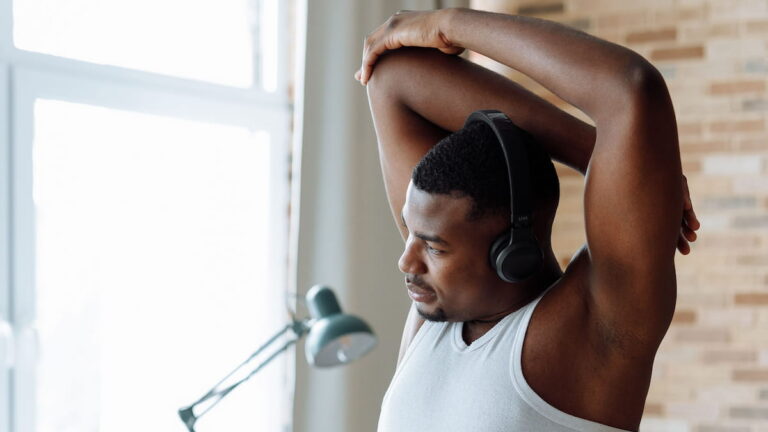
1. Exercise and Increased Blood Flow

During workouts—especially weightlifting—your muscles demand more oxygen. This causes:

  • Increased blood flow
  • Temporary swelling of veins
  • That “pumped” vascular look

This is completely normal and usually fades after your body cools down.

2. Low Body Fat

The less fat you have under your skin, the more visible your veins become. That’s why:

  • Athletes and bodybuilders often have prominent veins
  • Veins may show more as you lose weight

3. Heat and Temperature Changes

Hot weather or hot showers cause veins to:

  • Expand (dilate)
  • Move closer to the skin’s surface

That’s why veins often appear more pronounced in the summer.

4. Aging

As you get older:

  • Skin becomes thinner
  • Vein walls may weaken slightly

This makes veins easier to see, especially on the hands and arms.

5. Genetics

Some people simply have:

  • Naturally thinner skin
  • More superficial veins

If your parents had visible veins, you might too.

When Popped-Out Veins Might Signal a Problem

While many causes are harmless, persistent or painful vein changes can point to underlying health issues.

1. Varicose Veins

These are enlarged, twisted veins often found in the legs.

Symptoms:

  • Bulging, rope-like appearance
  • Aching or heaviness
  • Swelling or itching

What’s happening:
Weak or damaged valves cause blood to pool instead of flowing properly.

2. Spider Veins

Smaller, web-like veins that appear close to the skin.

  • Usually harmless
  • Can signal early circulation issues

3. Chronic Venous Insufficiency (CVI)

A more serious progression of vein problems.

Signs include:

  • Persistent swelling in the legs
  • Skin discoloration
  • Leg fatigue or pain

This occurs when veins can’t efficiently return blood to the heart.

4. Deep Vein Thrombosis (DVT)

A potentially dangerous condition where a blood clot forms in a deep vein.

Warning signs:

  • Swelling in one leg
  • Pain or tenderness
  • Warm, red skin

This requires immediate medical attention, as clots can travel to the lungs.

5. Superficial Thrombophlebitis

Inflammation of a vein just under the skin, often with a clot.

  • Vein may feel hard or tender
  • Skin may appear red and warm

6. High Blood Pressure & Circulation Issues

Poor circulation can make veins more prominent over time, especially when paired with:

  • Sedentary lifestyle
  • Obesity
  • Smoking

What Do Healthy Veins Look Like?

Healthy veins aren’t always invisible—but they typically have these characteristics:

  • Slightly visible under the skin (especially in lighter or thinner skin)
  • Soft and flat, not hard or rope-like
  • Consistent in color (blue or green tones are normal)
  • No pain, swelling, or tenderness
  • Not dramatically bulging when at rest

When Should You See a Doctor?

Pay attention if your veins are:

  • Suddenly more prominent without explanation
  • Painful, warm, or discolored
  • Accompanied by swelling in one limb
  • Hard to the touch

These could indicate circulation problems that need evaluation.

How to Keep Your Veins Healthy

Simple habits can go a long way in protecting your circulation:

  • Stay active (walking improves blood flow)
  • Elevate your legs when sitting for long periods
  • Maintain a healthy weight
  • Stay hydrated
  • Wear compression socks if recommended
  • Avoid sitting or standing too long without movement

The One Thing You Should Remember About Your Veins

Visible veins aren’t automatically a cause for concern—in fact, they’re often a sign of good circulation or physical fitness. But when changes come with pain, swelling, or unusual appearance, your body could be signaling something deeper.

Your veins don’t just move blood—they tell a story about your health. The key is knowing when to admire them… and when to pay closer attention.


SHARE
Related Stories
Answer the question below

Gout Survey

People with gout often have sudden, painful flares of joint swelling and redness. How many gout flares have you experienced in the last 12 months?
Have you ever received intravenous medicine for your gout?

Get our Weekly Newsletter

Stay informed on the latest breakthroughs in family health and wellness. Sign up today!

By subscribing, you consent to receive emails from BlackDoctor.com. You may unsubscribe at any time. Privacy Policy & Terms of Service.

More from BlackDoctor

Where Culture Meets Care

BlackDoctor is the world’s largest and most comprehensive online health resource specifically for the Black community. BlackDoctor understands that the uniqueness of Black culture - our heritage and our traditions - plays a role in our health. BlackDoctor gives you access to innovative new approaches to the health information you need in everyday language so you can break through the disparities, gain control and live your life to its fullest.
✦ AI Search Disclaimer
This AI-powered search tool helps you find relevant health articles from the BlackDoctor.org archive. Please keep the following in mind:
✦ For Informational Purposes Only
The information provided through this AI search is for general educational and informational purposes only. It is not intended as a substitute for professional medical advice, diagnosis, or treatment.
✦ Always Consult a Healthcare Provider
Never disregard professional medical advice or delay seeking it because of something you have read through this search tool. If you have a medical emergency, call your doctor or 911 immediately.
✦ AI Limitations
This search tool uses artificial intelligence to help match your queries with articles in our archive. While we strive for accuracy, AI-generated results may occasionally be incomplete, outdated, or not fully relevant to your specific situation.
✦ No Doctor-Patient Relationship
Using this search tool does not create a doctor-patient relationship between you and BlackDoctor.org or any healthcare provider.
Explore over 35,000 articles and videos across black health, wellness, lifestyle and culture
Full AI Search Experience >
×

Download PDF

Enter your name and email to receive the download link.

BlackDoctor AI Search