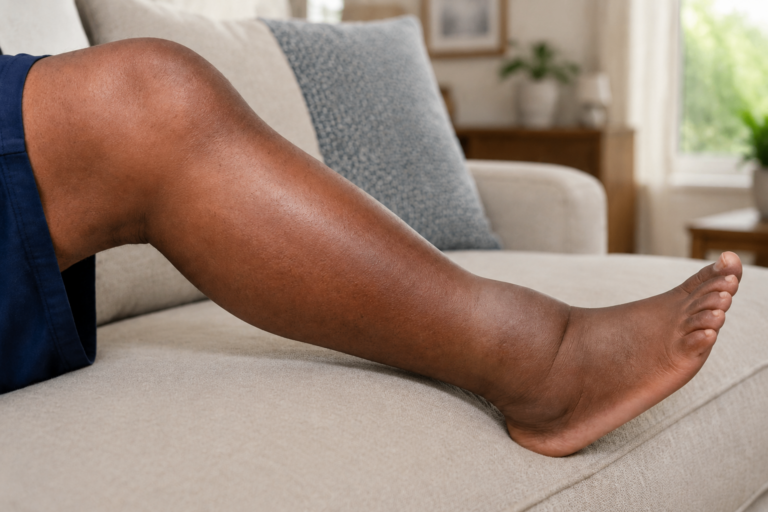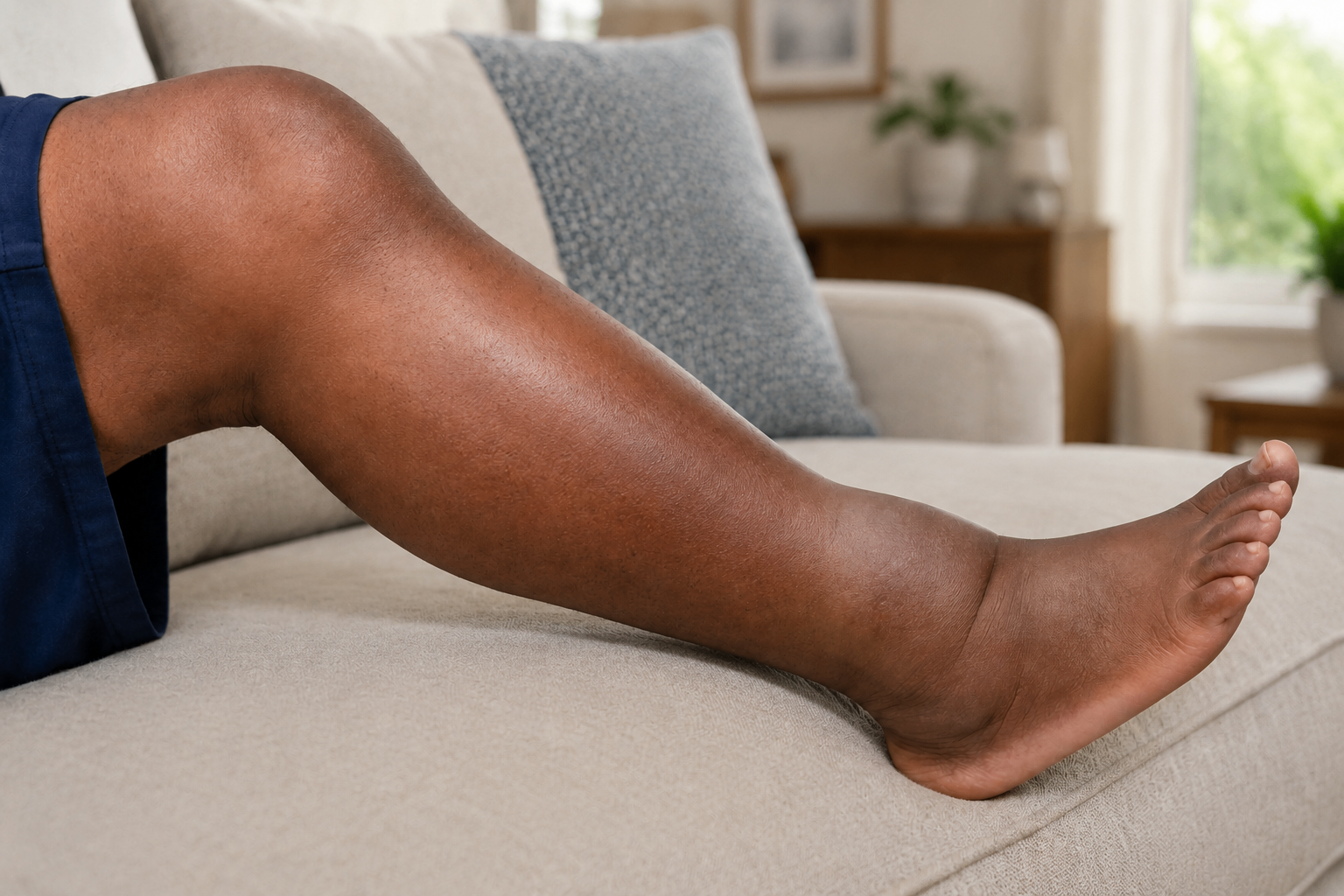
A swollen foot after a long day may be nothing more than temporary fluid buildup. But when an arm or leg suddenly becomes larger, painful or unusually warm, the swelling could be a warning sign that needs prompt medical attention.
Swelling occurs when fluid collects in the body’s tissues. This is called edema. It most commonly affects the feet, ankles and legs, although the hands and arms can also swell. The swelling may involve one limb or both, appear suddenly or gradually, and feel soft or firm depending on its cause.
Understanding when the swelling started—and what other symptoms accompany it—can help determine what may be happening.
Gravity naturally pulls fluid toward the lower body. After hours of sitting at a desk, standing at work or traveling in a car or airplane, fluid may collect around the feet and ankles.
This type of swelling usually affects both legs and improves after walking, elevating the legs or resting overnight. Hot weather and high-sodium meals can make it worse.
However, swelling after prolonged travel should not automatically be dismissed. Long periods without movement can raise the risk of a blood clot, especially in people with additional risk factors.
Sodium causes the body to hold onto water. A salty restaurant meal, processed foods, canned soups, deli meats or packaged snacks can lead to temporary puffiness in the hands, feet and ankles.
Persistent swelling should not simply be blamed on salt, however. It may be an early sign that the heart or kidneys are having difficulty managing the body’s fluid.
Sprains, fractures, torn ligaments, insect bites and overuse injuries can cause swelling in a specific area. The body sends fluid and immune cells to damaged tissue as part of the healing process.
Injury-related swelling is often accompanied by pain, bruising, tenderness or difficulty moving the affected limb. Seek medical care if you cannot place weight on the limb, the area appears deformed, or the pain and swelling continue to worsen.
Veins carry blood back toward the heart. When valves inside the leg veins weaken or become damaged, blood can pool in the lower legs. This condition, called chronic venous insufficiency, can cause ankle and leg swelling, aching, heaviness, varicose veins and skin discoloration.
The swelling often becomes worse later in the day and improves when the legs are elevated. Over time, untreated venous disease can cause skin changes and slow-healing sores.
A deep vein thrombosis, or DVT, is a clot that usually forms in a deep vein of the leg but can also occur in an arm. It commonly causes swelling on only one side, along with unexplained pain or tenderness, warmth, redness or skin discoloration.
A DVT is dangerous because part of the clot can break loose and travel to the lungs, causing a potentially fatal pulmonary embolism. The CDC recommends seeking medical attention as soon as possible for possible DVT symptoms. Chest pain, difficulty breathing, coughing up blood, fainting or a rapid or irregular heartbeat requires emergency care. Learn more from the CDC.
When the heart cannot pump efficiently, blood may back up in the veins and fluid can leak into surrounding tissues. Heart failure commonly causes swelling in both feet, ankles or legs. It may also cause:
Increasing leg swelling can be an important warning sign of worsening heart failure and should not be ignored. The American Heart Association advises people with heart failure to monitor changes in swelling and weight.
Healthy kidneys remove excess salt and water from the blood. When kidney function declines, that extra fluid may build up in the feet, ankles, lower legs or hands. Protein loss through damaged kidneys can also cause fluid to move into the tissues, sometimes producing puffiness around the eyes.
Kidney-related swelling may occur with changes in urination, foamy urine, fatigue, nausea, high blood pressure or shortness of breath—but early kidney disease may cause no noticeable symptoms. The National Kidney Foundation recommends getting evaluated when persistent swelling could indicate kidney trouble.
Advanced liver disease can reduce the production of albumin, a protein that helps keep fluid inside blood vessels. Fluid may then collect in the legs and abdomen.
Other possible signs include yellowing of the skin or eyes, easy bruising, itching, dark urine, pale stools, abdominal discomfort and confusion. Swelling associated with these symptoms requires medical evaluation.
The lymphatic system drains excess fluid from tissues. If lymph vessels or lymph nodes become damaged or blocked, lymph fluid can accumulate in an arm or leg.
Lymphedema may occur following cancer surgery, lymph-node removal, radiation treatment, infection or trauma. The limb may feel heavy, tight or full, and the skin can eventually become thick or firm. The swelling often affects one side and may include the fingers or toes. The National Cancer Institute notes that early treatment can help control symptoms and prevent complications.
Cellulitis is a bacterial skin infection that may cause rapid swelling, warmth, tenderness and redness or discoloration. On darker skin, redness may be less obvious, so pay attention to warmth, pain, spreading discoloration, drainage and fever.
An infected limb requires prompt treatment. Seek urgent care if the swelling is spreading quickly or occurs with fever, chills, severe pain or red streaks moving up the limb.
Some medications can cause fluid retention, including certain blood pressure drugs, corticosteroids, hormone therapies, anti-inflammatory pain relievers and some diabetes medications.
Do not stop a prescribed drug on your own. Ask your healthcare provider or pharmacist whether swelling could be a side effect and whether the dose or medication should be changed.
Some swelling in both feet and ankles is common during pregnancy. Sudden or severe swelling—particularly in the face or hands—may be associated with preeclampsia, especially when accompanied by a severe headache, vision changes, upper abdominal pain, nausea or difficulty breathing.
Swelling, warmth or pain in one leg during pregnancy or within six weeks after giving birth can also signal a blood clot and requires immediate medical attention.
Swelling itself is not a condition unique to African Americans. However, some diseases that cause persistent limb swelling disproportionately affect Black communities.
Black adults have higher burdens of high blood pressure, kidney disease and heart failure—conditions that can all cause fluid to collect in the legs and feet. Federal data show that Black Americans make up approximately 14 percent of the U.S. population but account for about 30 percent of people with end-stage kidney disease. NIDDK data also show that kidney failure is more frequently related to high blood pressure among Black patients.
Black adults also have about a 19 percent higher risk of developing heart failure than white adults, and the condition may begin at a younger age, according to the American Heart Association. Research has found that Black adults with heart-failure symptoms are more likely to receive their initial diagnosis in an emergency or inpatient setting rather than during an outpatient visit.
These disparities are not explained by race alone. Access to preventive care, exposure to chronic stress, neighborhood conditions, insurance coverage, treatment inequities and other social factors can influence who is diagnosed early and who receives timely care.
Black patients should not hesitate to point out new swelling—even if it seems minor—and ask whether their blood pressure, heart and kidney function should be evaluated. Because inflammation and redness can be more difficult to recognize on darker skin, also mention changes in warmth, tenderness, tightness, texture or skin color.
Call 911 or seek emergency care immediately if swelling occurs with:
Seek same-day medical care if:
Schedule a medical appointment if swelling lasts more than a few days, repeatedly returns, steadily worsens or interferes with walking and daily activities.
Until the cause is known, avoid treating significant swelling on your own with water pills or tight compression garments. Treatment depends on whether the underlying problem involves the veins, heart, kidneys, liver, lymphatic system, infection or a blood clot. A healthcare professional may use an examination, blood and urine tests, an ultrasound or other imaging to find the cause.


By subscribing, you consent to receive emails from BlackDoctor.com. You may unsubscribe at any time. Privacy Policy & Terms of Service.