New research suggests that a party drug may be effective for even the most resistant post-traumatic stress disorder or PTSD.
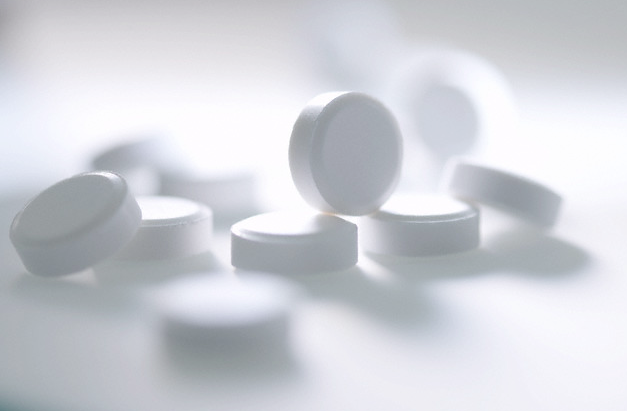
Research concludes that people suffering from PTSD experienced lasting positive benefits from therapy that included treatment with methylenedioxy methamphetamine (MDMA) – better known as ecstasy.
The study, published last week in the Journal of Psychopharmacology, was conducted by the Multidisciplinary Association for Psychedelic Studies (MAPS). The organization has several studies ongoing or pending in which researchers use of the lab-version ecstasy with psychotherapy to treat victims of violent crime or war. Researchers looked at the long-term benefits for participants in a clinical trial conducted more than three years earlier.
The drug was widely viewed and legally used as a “party drug” until it was added to the list of illegal substances such as LSD in 1985. Researchers have long been interested in using ecstasy in psychotherapy because it reduces anxiety in users and triggers a sense of comfort and intimacy.
The published findings are the follow-up to a study reported on by Military.com two years ago, which found that 83 percent of the subjects receiving the Ecstasy-assisted treatment were free of PTSD symptoms after two months. The latest findings conclude found those same patients were still symptom free an average of 3.5 years after completing the treatments.
“With such encouraging data, including evidence of long-term effectiveness after only two or three MDMA-assisted psychotherapy sessions, there is now no doubt that this research should be expanded to larger clinical trials,” Dr. Michael Mithoefer, the lead researcher, said.
Subjects in the study had been suffering with PTSD for an average of 19 years, according to the Multidisciplinary Association for Psychedelic Studies (MAPS) in Santa Cruz, Calif., which is co-sponsoring the research.
The study included mostly patient subjects whose prior treatment-resistant PTSD stemmed from sexual assault, though it also included a military veteran.
Brad Burge, a MAPS spokesman, said a separate ongoing study in South Carolina of 24 patient subjects will include a significant number of veterans. It was originally envisioned as veteran-only, but subsequently was expanded to include firefighters and police, Burge said.
“We don’t know what the demographics of the remaining subjects will be,” he said. “We expect that they will be either entirely or mostly vets.”
Researchers decided to include first responders for two reasons: you could bring people into the study without flying them in from around the country and at the same time study the effects of the therapy on that group.
“Overall, though, the study is intended to be for men and women with military backgrounds,” Burge said.
The so-called war on drugs has been part of the problem, according to Rick Doblin, founder of the Multidisciplinary Association for Psychedelic Studies, which analyzes the use of psychedelic drugs in mental health treatment. Federal agencies have blocked or delayed testing of drugs that could potentially help PTSD sufferers, including veterans, because they see it as possibly giving drugs to people who have a high incidence of drug abuse, Doblin said in an earlier interview with Military.com.
That may be part of the reason the Defense Department has not funded Ecstasy-assisted therapy research.
But Burge said military and political leaders are going to have to get involved.


By subscribing, you consent to receive emails from BlackDoctor.com. You may unsubscribe at any time. Privacy Policy & Terms of Service.