The standard recommendation for women to begin mammogram screenings is at age 40. However, breast cancer cases are increasingly being identified in younger women, with some adolescents as young as 15 being diagnosed. The National Institutes of Health (NIH) notes that Black women, in particular, tend to develop breast cancer at a younger age compared to white women and are more likely to die from the disease. Black women are also twice as likely to be diagnosed with triple-negative breast cancer, an aggressive subtype with fewer treatment options.
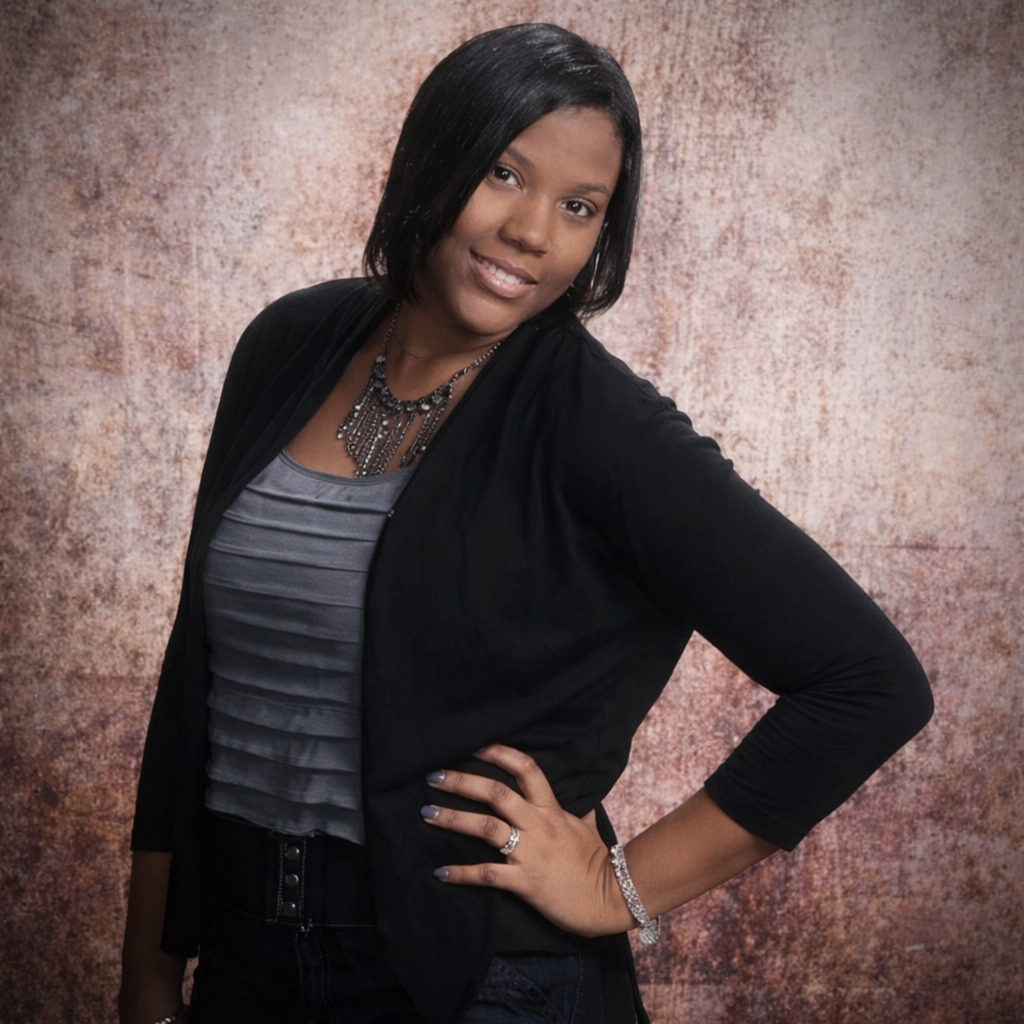
LaShae Rolle, a cancer researcher and student working toward a Ph.D. in Community Health at the University of Miami Miller School of Medicine, knows this reality all too well. She was diagnosed with a rare form of breast cancer in her twenties. BlackDoctor.org spoke with Rolle to discuss the urgent need for increased awareness and education about the rising rates of cancer in young adults, particularly within the Black community.
Rolle, now 27, discovered a small lump in her breast while she was a 26-year-old university student. Initially, she thought it might be fibrous tissue and decided to keep an eye on it. However, the lump began to grow, prompting her to address it during a routine health check at the University of Miami’s student health center.
“I just mentioned I had a lump in my breast, and the practitioner felt it and said it was most likely fibrous tissue or something similar, because women my age tend to have denser breasts. She still gave me a recommendation—a referral to the comprehensive cancer center to get an ultrasound and mammogram,” Rolle shares.
Upon further examination, the radiologist discovered calcifications in all four quadrants of her breast. This was a pivotal moment, marking the start of Rolle’s journey through diagnosis and treatment.
Rolle was now facing a rare breast cancer diagnosis that would forever alter her perspective, driving her to take action.
RELATED: Diagnosed at 40: Why I Refused to Let Breast Cancer Define Me
Understandably, being diagnosed at such a young age was a shock for Rolle. However, support became essential.
“I was really confused and needed a lot of support—from my parents, friends, people in my research lab, and my primary mentor. Also, the AYA (Adolescent and Young Adult) Cancer Buddy app was really helpful because it connected me with other young adults and adolescents diagnosed with cancer,” Rolle adds. “It’s rare, so it’s hard to find others in the same situation, but that app really helped me.”
She found strength in knowing she wasn’t alone, supported by people who understood her experience.
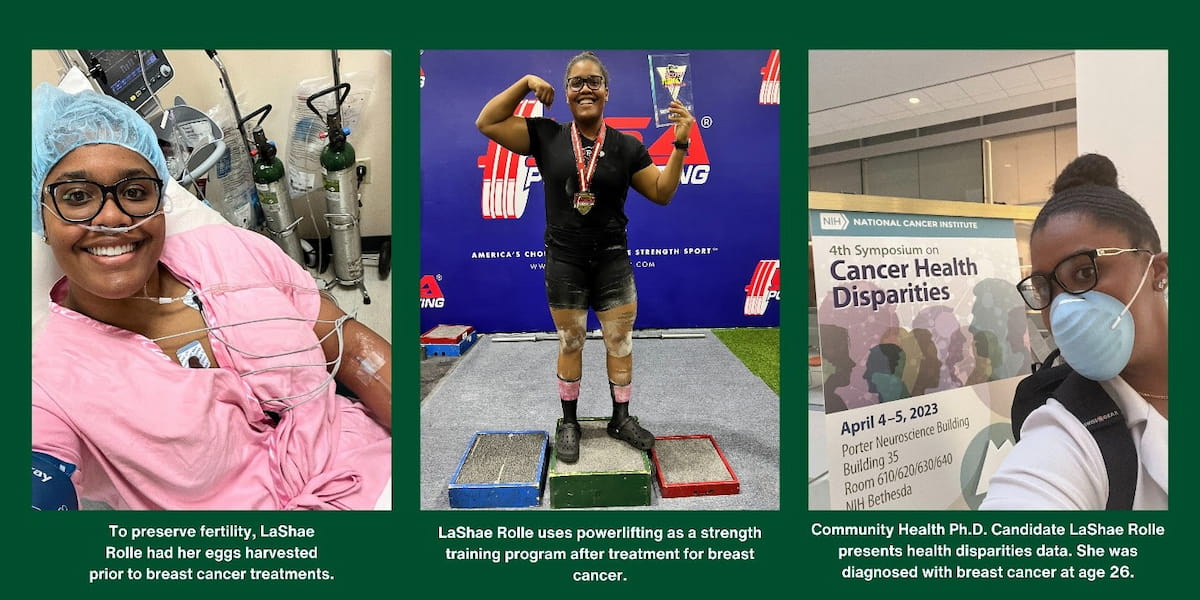
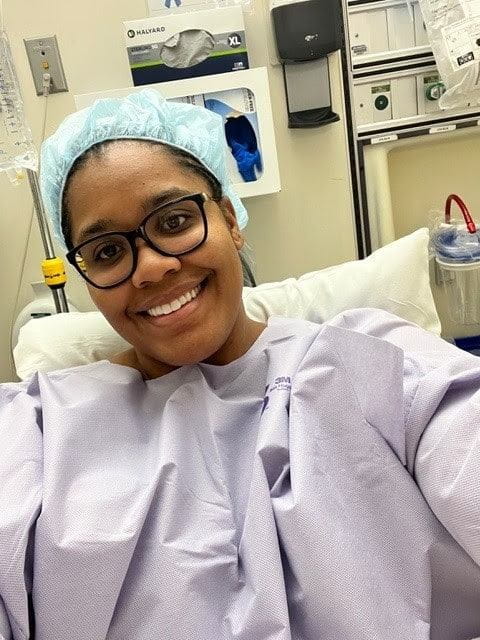
Undergoing chemotherapy at a young age brought unique challenges for Rolle, including concerns about her future fertility.
“Once I knew my course of treatment would likely include chemotherapy, I decided to freeze my eggs because chemo can cause infertility. Being so young, without kids, I knew I wanted that option. Honestly, without the Livestrong Foundation giving me a grant, I don’t know how I would have afforded it, as it’s very expensive—thousands of dollars on top of cancer treatments like chemotherapy,” Rolle notes.
Rolle’s experience highlights the financial burden of cancer care for young adults and the importance of resources for patients seeking to preserve fertility while undergoing treatment.
Rolle’s journey has also highlighted the importance of self-advocacy, especially for young people in healthcare settings.
“I’d say to any young woman who might think they have cancer—advocate for yourself. Push to get screenings, even if you’re young, and ask for an ultrasound or a mammogram. You never know; like in my case, it’s less than a one percent chance to be diagnosed before age thirty, but somebody has to be that one percent. Also, if you’re recently diagnosed, remember that it may feel lonely, but there’s support. The NCI [National Cancer Institute] says 74,000 adolescents and young adults are diagnosed with cancer each year, so there are support systems out there,” Rolle shares.
Rolle also encourages all young women to be proactive and to seek screenings when something feels amiss.
“Just be persistent. Healthcare providers are there to help, but ultimately, it’s you who will suffer if things are missed. Advocate for yourself, reach out for mental health resources, and remember that you’re the client. Make sure you’re getting what you need, even if that means changing doctors,” Rolle advises.
RELATED: Breast Cancer Survivor Empowered by Her Diagnosis: “It Just Lit a Fire in Me”
As a cancer researcher, Rolle’s diagnosis has fueled her commitment to studying health disparities in cancer among marginalized groups, including African, Caribbean, and African American communities. Through her research, she has identified distinct health risks and behaviors among these groups, ranging from dietary habits to rates of smoking. This research is critical as it reveals unique patterns of cancer risk and challenges in minority communities, where early detection and culturally sensitive care are often lacking.
To address this issue, she advocates for increased representation in clinical trials, particularly among young Black women, to ensure that research findings effectively benefit diverse populations.
“People tend to focus on more prevalent conditions. And for young Black women, I think more of us need access to clinical trials. I was fortunate to be at an NCI-designated cancer center, where I was encouraged to join trials. Trials need diversity, and for results to apply to people like me—young Black women—there need to be people like me in the trials,” she notes.
Unfortunately, early detection tools like mammograms are not always accessible, as they are often not recommended for women under 30. To combat this, Rolle stresses the importance of alternative screening methods and genetic testing for young women with family histories of cancer.
“Getting to know your own body is key. I learned to do breast self-exams at a young age, which is how I noticed the lump. If something seems wrong, push for an ultrasound or mammogram if necessary. Advocacy is so important in healthcare, especially when you’re young,” she adds.
Moving forward, Rolle aims to use her background as a researcher to bridge gaps in knowledge and awareness, particularly in underserved communities.
“My goal is to continue my work in cancer disparities and advocacy. I’ll be doing research, but also community outreach, sharing my story to build trust in the Black community. It’s essential to address disparities like the fact that we have lower breast cancer incidence rates but higher mortality rates,” Rolle concludes.

By subscribing, you consent to receive emails from BlackDoctor.com. You may unsubscribe at any time. Privacy Policy & Terms of Service.